
Table of Contents
- Tbilisi December Climate and Weather Table
- The Layering Strategy for Georgian Winters
- Footwear for Cobblestones and Slush
- Must-Have Winter Accessories
- Dressing for Different Occasions
- Practical Packing Tips for a Tbilisi December
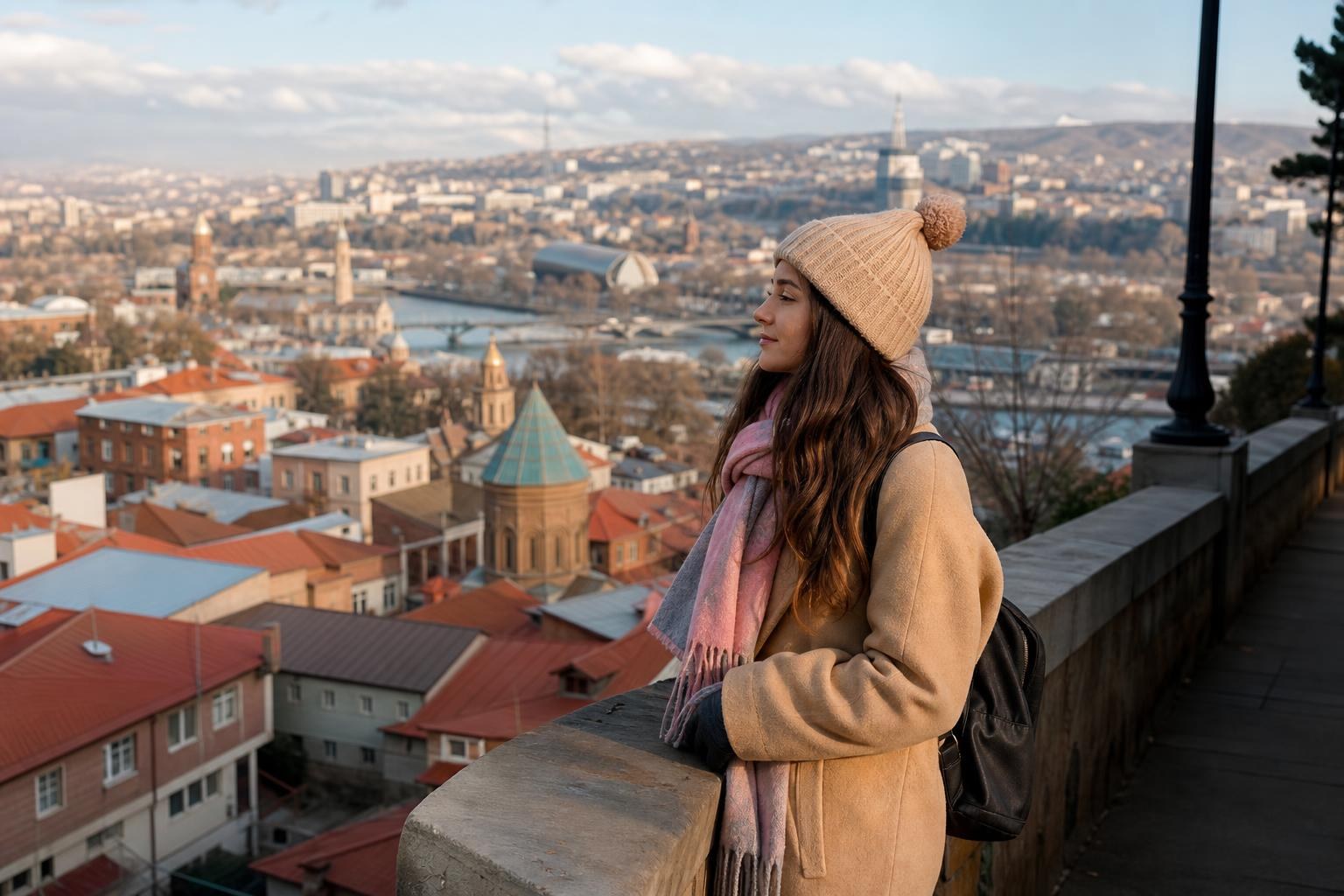
December in Tbilisi is one of those experiences that catches travelers off guard. You expect cold, sure, but the city sits in a valley where damp winds from the Mtkvari River collide with dry mountain air, creating a winter that feels different from anything in Western Europe. I’ve walked the Old Town in early December wearing just a wool sweater and been perfectly comfortable, then returned two weeks later to find ice on the cobblestones and a biting wind that made me regret every packing decision I’d made. Building a winter wardrobe for Tbilisi in December requires understanding this unpredictability, not just checking a single temperature forecast. The trick isn’t packing heavy – it’s packing smart, with pieces that work together across a range of conditions and social settings, from sulfur bath visits to candlelit supras in someone’s apartment. Georgians themselves dress with a mix of practicality and style that’s worth paying attention to. Nobody in Tbilisi looks like they just stumbled out of a ski lodge, even when temperatures drop to freezing.
Tbilisi December Climate and Weather Table
Tbilisi’s December weather is milder than most people assume for a Caucasus capital, but the variability is what trips visitors up. Average daily highs hover around 6-8°C (43-46°F), while nighttime lows regularly dip to around 0-1°C. Rainfall averages about 25-30mm across the month, typically spread over 8-10 wet days, though snow is possible – especially in the second half of December.
| Weather Factor | December Average |
|---|---|
| High Temperature | 6-8°C (43-46°F) |
| Low Temperature | 0-1°C (32-34°F) |
| Rainfall | 25-30mm |
| Rainy Days | 8-10 |
| Daylight Hours | ~9 hours |
| Humidity | 70-78% |
| Snowfall | Possible, usually light |
That humidity figure matters more than you’d think. A dry 3°C feels manageable; a damp 3°C with wind cuts right through cotton and thin synthetics. The average cloud cover stays high throughout December, with overcast skies dominating most days. Sunshine, when it appears, tends to come in brief afternoon windows.
Daylight is limited to roughly 9 hours, with sunset arriving around 5:30 PM. This means evening activities – and Tbilisi has plenty – happen in full darkness and often colder temperatures than what you experienced during the day. Plan your wardrobe around the reality that you’ll spend significant time outdoors after dark, whether walking between wine bars on Erekle II Street or climbing up to Narikala Fortress for the city lights.
The key takeaway from this data: don’t pack for a single temperature. Pack for a 10-degree swing within a single day, with moisture in the air that amplifies the cold.
The Layering Strategy for Georgian Winters
Layering isn’t a novel concept, but doing it well for Tbilisi specifically means thinking about transitions. You’ll move between heated indoor spaces (Georgians keep their homes and restaurants warm, sometimes uncomfortably so) and cold, windy streets multiple times per day. The goal is a system where you can shed or add a layer in seconds without carrying a bulky bag everywhere.
Three layers is the magic number: a moisture-managing base, an insulating mid-layer, and a protective outer shell. Each serves a distinct purpose, and skipping any one of them creates problems. A heavy coat over a t-shirt, for instance, leaves you sweating indoors and freezing the moment you unzip outside. The right three layers, though, handle everything from a 7°C sunny afternoon to a 0°C midnight walk home.
Thermal Base Layers and Moisture Wicking
Your base layer does the invisible work. Merino wool tops (150-200 weight) are the gold standard here because they regulate temperature in both directions, wick moisture when you’re hustling up Tbilisi’s steep hills, and resist odor far better than synthetics. A good merino long-sleeve from brands like Icebreaker or Smartwool costs between $60-90 and will serve you for years.
For bottoms, thermal leggings worn under jeans or trousers make a massive difference. I’ve watched travelers shiver through outdoor markets in single-layer denim while locals walk by comfortably in what looks like regular clothing – the difference is almost always a hidden thermal layer underneath. Synthetic blends work fine for legs since they’re less prone to sweating than your torso.
Avoid cotton base layers entirely. Cotton absorbs moisture, holds it against your skin, and turns a mild chill into genuine misery. This is the single most common mistake winter travelers make.
Insulating Mid-Layers: Wool and Fleece
The mid-layer is where you control your warmth. A merino wool sweater or a quality fleece pullover traps body heat without adding excessive bulk. For Tbilisi specifically, I lean toward wool sweaters because they look appropriate everywhere – from a casual lunch at a khinkali house to a nicer dinner at Café Littera.
Fleece is lighter and dries faster, which matters if you get caught in rain, but it looks distinctly “tourist” in most Georgian social settings. A compromise: pack one of each. Wear the fleece for active days involving lots of walking or day trips outside the city, and save the wool sweater for evenings and cultural visits.
Down vests also work brilliantly as mid-layers, adding core warmth without restricting arm movement. They compress to almost nothing in a bag, making them ideal for travelers watching their luggage weight. A lightweight packable down vest from Uniqlo or Decathlon runs about $40-60 and earns its space in your suitcase ten times over.
Outerwear: Windproof and Waterproof Essentials
Your outer layer needs to block wind and repel water – those are the non-negotiables. A wool overcoat looks fantastic in Tbilisi and matches the city’s aesthetic, but unless it’s been treated with a water-repellent finish, it becomes a soggy liability in rain. A better option for most travelers is a mid-length insulated parka with a water-resistant shell, ideally one that hits mid-thigh to protect against wind funneling up the narrow Old Town streets.
Look for a coat rated to at least -5°C, even though Tbilisi rarely drops that low. The humidity factor means perceived temperatures feel 3-5 degrees colder than the thermometer reads. Brands don’t matter as much as features: sealed seams, a hood that actually adjusts (not decorative), and deep pockets you can warm your hands in.
If you’re committed to the wool coat look – and honestly, Georgians pull it off beautifully – bring a compact rain jacket that packs into its own pocket. Layering it over your wool coat during downpours solves the waterproofing problem without sacrificing style.
Footwear for Cobblestones and Slush
Tbilisi’s streets are gorgeous and treacherous in equal measure. The Old Town is a mix of uneven cobblestones, cracked sidewalks, and steep inclines that become genuinely slippery when wet or icy. I’ve seen more than one traveler go down hard on the polished stone steps near Abanotubani, the sulfur bath district. Your footwear choice matters more here than almost any other winter city I’ve visited.
Forget fashion sneakers entirely. Even on dry days, the terrain demands ankle support and solid traction. And if December brings snow or freezing rain – which it does roughly every other year – smooth-soled shoes become a safety hazard.
Choosing Insulated, Non-Slip Boots
Ankle-height or mid-calf boots with Vibram or similar rubber-lug soles are the right call. They need to be waterproof (not just water-resistant), insulated enough for standing still outdoors at a Christmas market, and comfortable enough for 15,000-step days. Brands like Blundstone, Sorel, or Timberland all make options that check these boxes without looking like hiking gear.
For women, a practical packing approach for Georgia suggests leather ankle boots with a low block heel, which handle cobblestones well and look right for evening outings. Avoid stilettos or thin-soled ballet flats – they’re not just impractical, they’ll get destroyed by the rough stone surfaces.
Break your boots in before the trip. This advice sounds obvious, but blisters on day two of a walking-heavy trip can ruin everything. Wear them around your home city for at least a week before departure.
Must-Have Winter Accessories
Accessories are where December comfort is won or lost. Your core layers handle the baseline, but exposed extremities – hands, ears, neck – are where cold hits hardest, especially during Tbilisi’s windy evenings.
Scarves, Beanies, and Tech-Friendly Gloves
A chunky wool or cashmere scarf does triple duty: neck warmth, face protection in wind, and a style piece that elevates any outfit. Georgian women are particularly skilled at scarf-draping, and a well-chosen scarf helps you blend in rather than looking like a bundled-up outsider. Buy one locally if you can – the Dry Bridge Market sells handmade wool scarves for 20-40 GEL ($7-15), often knitted by grandmothers from mountain villages.
A knit beanie or wool hat is essential for evenings and early mornings. You lose significant body heat through your head, and Tbilisi’s damp cold makes this feel even more pronounced. Pack one that covers your ears fully.
Gloves need to be touchscreen-compatible in 2026 – you’ll be using Google Maps constantly to find hidden courtyards and wine cellars, and pulling off gloves every two minutes gets old fast. Thin merino or synthetic touch-screen gloves work for most December conditions. If temperatures drop below -2°C, layer them inside a pair of shell mittens.
One accessory people forget: a compact umbrella. Tbilisi’s December rain tends to come in short bursts rather than all-day downpours, so a travel umbrella that fits in a coat pocket beats wearing a rain jacket all day when the sky is merely overcast.
Dressing for Different Occasions
Tbilisi isn’t a one-outfit city. The dress code shifts significantly depending on where you’re going, and Georgians notice. This is a culture where appearance signals respect – for your hosts, for sacred spaces, and honestly, for yourself. Packing versatile pieces that work across contexts saves both luggage space and social awkwardness.
Casual Sightseeing in Old Town
Daytime exploring is the most forgiving dress code. Your layering system does the heavy lifting here: thermal base, sweater or fleece, parka, and sturdy boots. Dark jeans or wool trousers work perfectly. Tbilisi’s street style leans toward dark, muted tones – black, charcoal, navy, olive – so you’ll fit in better with a restrained palette than bright colors.
Bring a crossbody bag or small backpack for carrying layers you’ve shed indoors. A daypack also holds your umbrella, water bottle, and the churchkhela (walnut candy strings) you’ll inevitably buy from a street vendor for 2-3 GEL apiece.
The best places to visit in Georgia in December include outdoor sites like the Chronicle of Georgia monument and the Turtle Lake area, both of which are more exposed to wind than the sheltered Old Town streets. Add an extra layer for these excursions.
Evening Dining and Wine Bar Etiquette
Tbilisi’s food and wine scene has exploded in recent years, and evenings out call for a slight upgrade from your daytime look. You don’t need formal wear – this isn’t Moscow or Dubai – but smart casual is the baseline at popular spots like Barbarestan or Shavi Lomi.
For men, swap the fleece for a wool sweater over a collared shirt, keep the dark jeans or chinos, and switch to cleaner leather boots if you packed a second pair. For women, a knit dress with thermal tights and ankle boots is a classic Tbilisi winter look. A wool wrap or pashmina works as both a style piece and warmth insurance in drafty old buildings.
Georgian restaurant culture involves long meals – a proper supra (feast) can last three or four hours. You’ll be sitting for extended periods in spaces that range from overheated to barely heated, so wear layers you can adjust without standing up and making a scene.
Appropriate Attire for Visiting Orthodox Churches
This is where dress code becomes genuinely important. Georgia’s Orthodox churches are active places of worship, not museums, and the expectations reflect that. Women must cover their heads and shoulders, and skirts or dresses should fall below the knee. Most major churches like Tsminda Sameba (Holy Trinity Cathedral) provide loaner headscarves and wrap skirts at the entrance, but relying on these feels a bit like borrowing someone’s gym towel.
Pack a lightweight scarf specifically for church visits – it doubles as your everyday scarf. Women should bring or wear a long skirt or dress; a midi-length wool skirt layered over thermal leggings handles both the modesty requirement and the cold. Men need long trousers (no shorts, though you wouldn’t be wearing them in December anyway) and should remove hats upon entering.
Avoid overly casual clothing like athletic wear or anything with large logos. Georgians take their faith seriously – the phrase “stumari ghvtisaa” (the guest is from God) reflects a culture where sacred and social spaces overlap. Dressing respectfully isn’t just about following rules; it’s about honoring a tradition that dates back to the 4th century.
Practical Packing Tips for a Tbilisi December
Packing for your winter wardrobe in Tbilisi comes down to versatility over volume. A week-long trip needs far fewer items than most people think, provided everything coordinates.
Here’s a practical packing framework:
- 3 merino base layer tops (they can be worn 2-3 days each without washing)
- 2 pairs of thermal leggings
- 2 wool sweaters or 1 sweater plus 1 fleece
- 1 insulated waterproof parka
- 1 packable down vest
- 2 pairs of dark jeans or wool trousers
- 1 longer skirt for church visits (women)
- 1 pair of waterproof insulated boots
- 1 pair of dressier leather boots (optional but useful)
- 2 scarves (1 heavy wool, 1 lighter for indoor/church use)
- 1 beanie, 1 pair of touchscreen gloves
- 1 compact umbrella
Everything should fit in a carry-on and a personal item if you roll your clothes and use packing cubes. Tbilisi has excellent laundry services – most guesthouses offer same-day washing for 10-15 GEL ($4-6) – so you don’t need to pack for every single day.
Download the Bolt app before arrival for affordable taxi rides (most trips within central Tbilisi cost 5-8 GEL) and Google Translate’s offline Georgian language pack. These two tools will save you more discomfort than any single piece of clothing.
One final thought: Tbilisi in December rewards travelers who dress for the city rather than against it. The Georgians I know take quiet pride in their winter style, and there’s something genuinely enjoyable about matching the city’s mood – dark wool, warm leather, a good scarf, and the confidence that comes from being prepared for whatever the weather throws at you. Pack smart, layer well, and you’ll spend your time thinking about khachapuri and qvevri wine instead of shivering on a street corner wishing you’d brought a warmer coat.