
Table of Contents
- Overview of June Weather in Georgia
- Regional Climate Differences Across the State
- Rainfall and Storm Patterns
- Packing Essentials for a Georgia June
- Best Activities and Events in June
- Tips for Beating the Georgia Heat
Georgia in June is a study in contrasts. The country stretches from the subtropical Black Sea coast to alpine peaks topping 5,000 meters, and that geography creates wildly different experiences depending on where you spend your time. I’ve walked through Tbilisi in late June when the air felt thick enough to chew, and I’ve shivered in a fleece near Kazbegi the same week. If you’re planning a summer trip to this corner of the Caucasus, understanding the weather patterns across Georgia’s regions isn’t just helpful: it’s the difference between a trip you love and one you endure. This summer guide to Georgia’s June weather breaks down temperatures, rainfall, humidity, and regional quirks so you can pack right, plan smart, and actually enjoy yourself. Whether you’re here for the wine, the mountains, the coastline, or the khinkali, June rewards travelers who come prepared. The country sits at a crossroads of climatic zones, and a single week can deliver blazing heat in the lowlands and cool mountain breezes just a two-hour drive away. That variety is part of what makes Georgia so compelling, but it also means generic advice won’t cut it.
Overview of June Weather in Georgia
June marks the real start of summer across Georgia, and the shift is dramatic. Spring’s mild, unpredictable weather gives way to sustained warmth, longer days, and a noticeable uptick in humidity, especially in the eastern lowlands and along the coast. Daylight stretches to roughly 15 hours, giving you plenty of time for sightseeing, hiking, and long dinners on outdoor terraces. The country sees a seasonal influx of both international tourists and domestic travelers heading to Batumi and the mountain resorts, so popular spots start getting busier.
What catches many first-time visitors off guard is how quickly conditions can change within a single day. Mornings often start pleasantly warm, afternoons can spike into genuine heat, and evenings sometimes bring sudden thunderstorms that clear the air. This daily rhythm is worth understanding because it shapes how locals live: markets open early, midday slows down, and social life picks back up after 6 PM.
Average Temperatures and Humidity Levels
Tbilisi in June typically sees daytime highs between 28°C and 32°C (82°F to 90°F), with overnight lows hovering around 17°C to 20°C (63°F to 68°F). Humidity in the capital averages around 55% to 65%, which feels noticeable but not oppressive compared to coastal cities. Batumi, on the other hand, pushes humidity levels above 75% regularly, making even slightly lower temperatures feel stickier.
The heat index: what the temperature actually feels like on your skin: can run 3°C to 5°C higher than the thermometer reads in humid areas. If you’re coming from a dry climate, this is the adjustment that hits hardest. Drinking water constantly isn’t optional; it’s survival strategy. I keep a 1.5-liter bottle from any corner shop (about 0.80 GEL, roughly $0.30) within arm’s reach all day.
Regional Temperature Variations Data Table
The numbers tell the story better than generalizations. Here’s what to expect across Georgia’s main regions in June:
| Region | Avg. High (°C/°F) | Avg. Low (°C/°F) | Avg. Rainfall (mm) | Humidity (%) |
|---|---|---|---|---|
| Tbilisi | 30/86 | 18/64 | 50-60 | 55-65 |
| Batumi (Coast) | 26/79 | 18/64 | 130-160 | 75-85 |
| Kutaisi | 28/82 | 16/61 | 80-100 | 60-70 |
| Kazbegi (Mountains) | 18/64 | 7/45 | 70-90 | 50-60 |
| Kakheti (Wine Region) | 31/88 | 17/63 | 45-55 | 50-60 |
Notice the massive spread: Kazbegi’s highs barely reach Tbilisi’s lows. That 12°C difference between the capital and the high mountains means packing for two completely different climates if your itinerary covers both.
Regional Climate Differences Across the State
Georgia packs an absurd amount of geographic diversity into a country smaller than South Carolina. The Greater Caucasus range along the northern border blocks cold air from Russia, while the Likhi Range running north-south splits the country into distinct western and eastern climate zones. Western Georgia catches moisture from the Black Sea, making it wetter and more subtropical. Eastern Georgia sits in a rain shadow, creating drier, more continental conditions. Understanding this split is the single most useful thing for planning your June trip.
The Blue Ridge Mountains: A Cooler Escape
Georgia’s mountain regions: Svaneti, Tusheti, Kazbegi, and the lesser-visited Racha: offer genuine relief from summer heat. At elevations above 2,000 meters, June temperatures rarely exceed 20°C during the day, and nights can drop to single digits. I’ve seen frost on tent walls at higher campsites in early June, which surprises people who associate the country with warm weather.
June is actually the sweet spot for mountain trekking. Snow has melted from most mid-altitude trails, wildflowers carpet the alpine meadows, and the passes into remote areas like Tusheti typically open in late May or early June. The road to Omalo, famously one of the most dangerous drives in the world, usually becomes passable by mid-June. Afternoon clouds and brief showers are common above 2,500 meters, so plan your high-altitude hikes for the morning hours.
Svaneti sees more rainfall than the eastern mountains, averaging 80-100mm in June, but the dramatic scenery of medieval stone towers against snow-capped peaks makes the occasional wet afternoon worthwhile. Bring layers: a lightweight down jacket or fleece, a rain shell, and warm socks are non-negotiable for mountain stays.
Coastal Georgia and the Golden Isles
Batumi and the Black Sea coast operate on different rules entirely. The subtropical climate here means June brings warm, humid air with significant rainfall averaging 130-160mm for the month. Rain often arrives in intense bursts rather than all-day drizzle, and sunshine between storms can be brilliant.
Sea temperatures reach about 22°C to 24°C by late June: warm enough for comfortable swimming. The pebbly beaches of Batumi fill up on weekends with visitors from Tbilisi, and the city’s nightlife scene kicks into high gear. Expect hotel prices along the coast to jump 30-50% compared to May.
The coastal town of Kobuleti, about 20 minutes north of Batumi, offers a quieter beach experience with similar weather. Gonio and Sarpi, south toward the Turkish border, tend to be slightly less crowded. If you’re sensitive to humidity, the coast can feel relentless in June: air conditioning in your accommodation isn’t a luxury, it’s a requirement.
Atlanta and the Piedmont Plateau
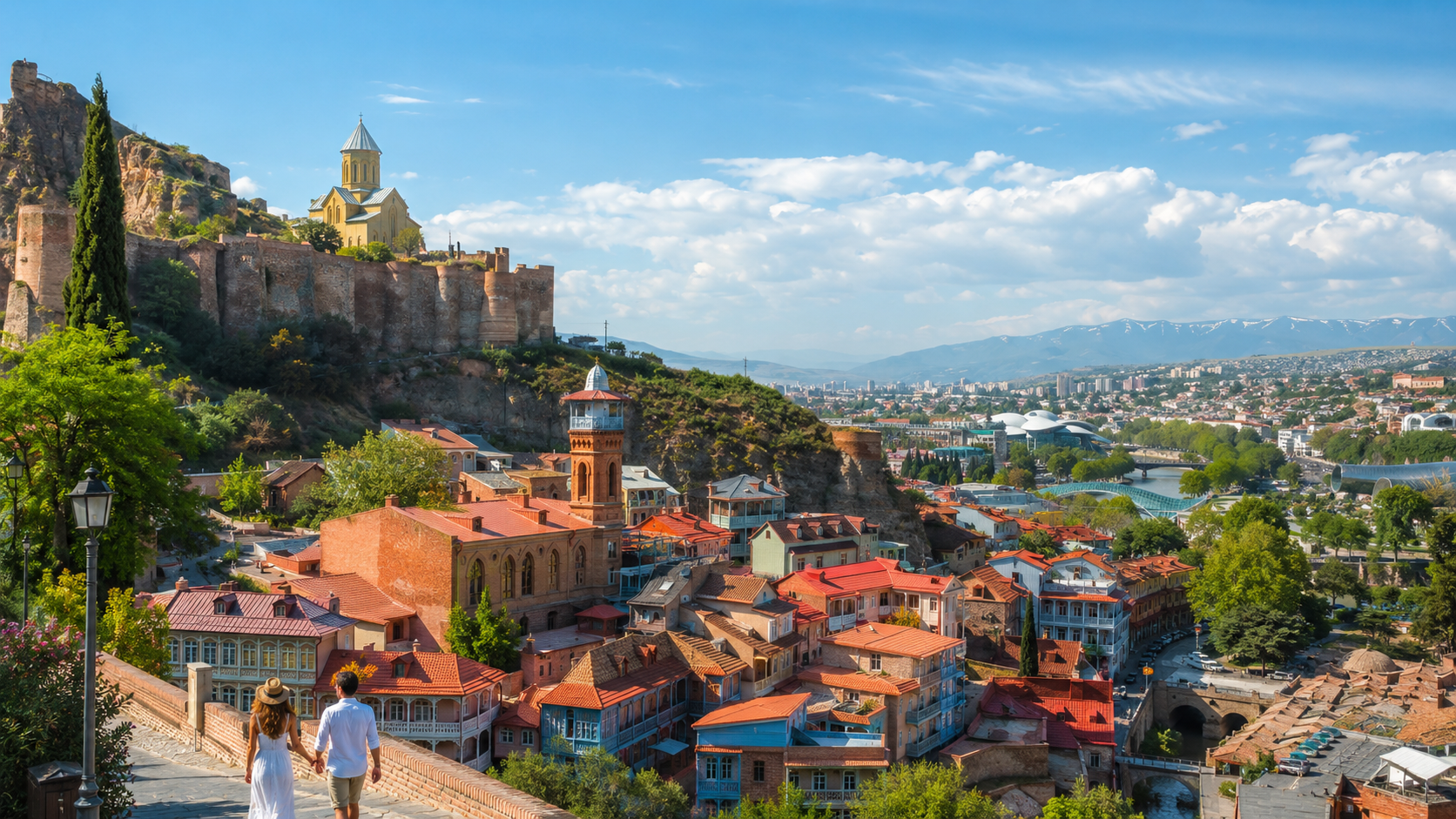
The Piedmont Plateau: Georgia’s central lowland corridor running through cities like Tbilisi, Gori, and Mtskheta: experiences the most intense heat in June. This is where the continental climate flexes hardest. Tbilisi sits in a valley along the Mtkvari River, and the surrounding hills trap heat, creating an urban heat island effect that pushes temperatures 2-3°C above surrounding areas.
Mtskheta, the ancient capital just 20 minutes from Tbilisi, shares nearly identical conditions. The Jvari Monastery hilltop can feel exposed and scorching at midday, with no shade and reflected heat from the stone. Visit early morning or late afternoon: the light is better for photos anyway.
Gori, further west, runs slightly cooler but still hits 28-30°C regularly. The wine region of Kakheti, east of Tbilisi, gets the least rainfall of any Georgian region in June, sometimes receiving under 45mm for the entire month. Vineyards look lush and green, and this is when many wineries open their doors for tastings. A bottle of excellent Saperavi from a family cellar costs 15-25 GEL ($5.50-$9.25), and tasting is almost always free.
Rainfall and Storm Patterns
Rain in Georgia during June isn’t a question of “if” but “when and how much.” The country receives meaningful precipitation year-round, and June sits in the middle of the wetter half of the calendar. But the character of that rain varies enormously by region and time of day.
Afternoon Thunderstorms and Precipitation
The classic June pattern across eastern Georgia follows a predictable rhythm: clear mornings, building clouds by early afternoon, and thunderstorms between 3 PM and 7 PM. These storms can be intense: heavy rain, dramatic lightning, occasionally small hail in the mountains. They also tend to pass quickly, often clearing within 30-60 minutes and leaving behind cooler, fresher air.
Tbilisi averages about 8-10 rainy days in June, but most of those involve afternoon storms rather than full washout days. I’ve rarely lost an entire day to rain in the capital during summer. Western Georgia is a different story: Batumi can see rain on 15+ days in June, and storms there sometimes last longer.
The practical takeaway: schedule outdoor activities and major sightseeing for mornings. By early afternoon, have a plan B that involves a covered market, a museum, a wine cellar, or a restaurant. Georgian cuisine is reason enough to welcome a rainy afternoon indoors.
Early Hurricane Season Considerations
Georgia doesn’t face hurricane risk in the traditional sense: the Black Sea doesn’t generate tropical cyclones. However, June does bring occasional severe weather events that deserve attention. Strong windstorms can hit the coast, and flash flooding occurs in mountain valleys after heavy rainfall. The Rioni River basin in western Georgia is particularly prone to flooding in late spring and early summer.
Climate patterns have shifted noticeably in recent years. Georgia’s environmental data shows increasing variability in summer precipitation, with some years bringing unusually dry Junes and others delivering well above average rainfall. Checking the forecast regularly during your trip matters more than relying on historical averages alone.
Mountain travelers should be especially cautious about river crossings on hiking trails. Snowmelt combined with afternoon storms can turn calm streams into dangerous torrents within hours. Local guides know which crossings become risky and when: hiring one for backcountry routes is money well spent (typically 100-150 GEL per day, or $37-$55).
Packing Essentials for a Georgia June
Your suitcase needs to handle two realities: urban heat and mountain cool. Here’s what actually works based on years of June travel across the country.
- Lightweight, breathable clothing for city days: linen and cotton beat synthetics in humid heat
- A packable rain jacket: not an umbrella, which is useless in mountain wind
- Comfortable walking shoes with good grip: Tbilisi’s old town has steep, uneven cobblestones
- Sunscreen (SPF 50): available locally but often more expensive than at home
- A fleece or light down jacket if you’re heading above 1,500 meters
- Sunglasses and a hat: the June sun at altitude is fierce
- A reusable water bottle: Tbilisi has excellent tap water, and refilling saves money
- Modest clothing for church visits: women need head coverings, and both genders should cover shoulders and knees
Skip the heavy jeans and bulky sneakers. You’ll see locals in light trousers and sandals, and you should follow their lead. One versatile outfit that works for both a nice restaurant and a monastery visit saves suitcase space.
Best Activities and Events in June
June sits in a sweet spot for Georgia: warm enough for everything, not yet at July’s peak heat, and the tourist crowds haven’t fully arrived until the month’s second half.
Outdoor Recreation and Water Parks
Hiking dominates the activity list, and for good reason. The Mestia to Ushguli trek in Svaneti is one of the best multi-day hikes in Europe, and June offers ideal conditions: snow-free trails, wildflowers, and long daylight hours. The trek covers about 45 kilometers over four days and costs very little if you stay in family guesthouses along the route (40-60 GEL per night including meals).
Rafting on the Aragvi River near Tbilisi picks up in June as water levels remain high from snowmelt. Half-day trips run about 80-120 GEL ($30-$44) per person. Paragliding in Gudauri, about two hours north of Tbilisi, offers stunning views of the Greater Caucasus and costs around 200-300 GEL ($74-$111).
For families, Gino Paradise water park in Tbilisi and the Batumi Aquapark provide relief from afternoon heat. Beach time along the coast becomes genuinely enjoyable by mid-June as sea temperatures climb. The less-developed beaches north of Kobuleti offer cleaner water and fewer crowds than Batumi’s central strip.
Major Summer Festivals and Holidays
June brings several events worth building a trip around. Tbilisoba preparations begin, though the main festival falls later. The Art-Gene Festival at the Tbilisi Open Air Museum showcases traditional Georgian crafts, music, and food in a beautiful hillside setting. Local wine festivals pop up across Kakheti, where summer visitors can experience vineyard life firsthand during the growing season.
Independence Day on May 26 sometimes carries celebrations into early June. The Batumi Music Fest typically runs in late June or early July, drawing both Georgian and international performers to the coastal city. Check local listings closer to your travel dates, as exact schedules shift year to year.
Georgian Orthodox religious holidays also punctuate the calendar, and witnessing a church celebration in a village setting is one of those travel experiences that stays with you. The concept of “stumari ghvtisaa” (a guest is a gift from God) runs deep here, and festival days amplify that hospitality to extraordinary levels.
Tips for Beating the Georgia Heat
The heat in Tbilisi and the lowlands during June is real, but Georgians have been managing it for centuries. Their strategies work better than anything you’ll read in a generic travel guide.
Start your day early. Seriously early. Museums, fortresses, and outdoor markets are best experienced between 8 AM and noon. The Dezerter Bazaar in Tbilisi opens at dawn, and shopping for cherries (2-3 GEL per kilo), peaches, and fresh herbs in the cool morning air is one of the great pleasures of a June visit.
Embrace the Georgian lunch-and-rest rhythm. Between 1 PM and 4 PM, duck into air-conditioned spaces: a wine bar, a bookshop, a cinema. Many restaurants serve long, leisurely lunches that fill this gap perfectly. A full Georgian lunch with salads, khachapuri, grilled meat, and a carafe of house wine rarely exceeds 40-50 GEL ($15-$18) per person.
Hydration goes beyond water. Georgians drink “tarkhuna” (tarragon-flavored lemonade) and “limonati” (various fruit sodas) constantly in summer. These are available everywhere for 1-2 GEL. The mineral water Borjomi, slightly salty and fizzy, is practically a national institution and genuinely helps with electrolyte replacement.
Evening is when Georgian cities come alive. Temperatures drop to comfortable levels after 7 PM, restaurants fill their terraces, and the streets buzz until midnight. Plan your best dinner reservations, rooftop bar visits, and evening walks through the old town for these golden hours. The sulfur baths in Tbilisi’s Abanotubani district are open late and feel especially good after a hot day: a private room runs 50-100 GEL depending on the bathhouse.
If you’re traveling between cities, spring for a vehicle with working air conditioning. Marshrutkas (minibuses) vary wildly in comfort, and a three-hour ride in a hot van with no AC is genuinely miserable. Bolt operates in Tbilisi and Batumi, making city transport comfortable and affordable: most rides within Tbilisi cost 5-10 GEL ($1.85-$3.70).
Georgia’s June weather rewards flexible travelers who respect the heat, pack for variety, and lean into the country’s natural daily rhythms. The combination of warm lowlands, cool mountains, and a subtropical coast means you can craft a trip that hits every climate preference within a single week. Come prepared, stay hydrated, and let the long summer evenings unfold at their own unhurried pace: that’s how Georgia does June best.