
Table of Contents
- Tbilisi Weather Patterns in September
- Essential Clothing for Layering
- Footwear for Cobblestones and Hills
- Dressing for Specific Occasions
- Accessories and Practical Travel Gear
- Final Packing Checklist for September
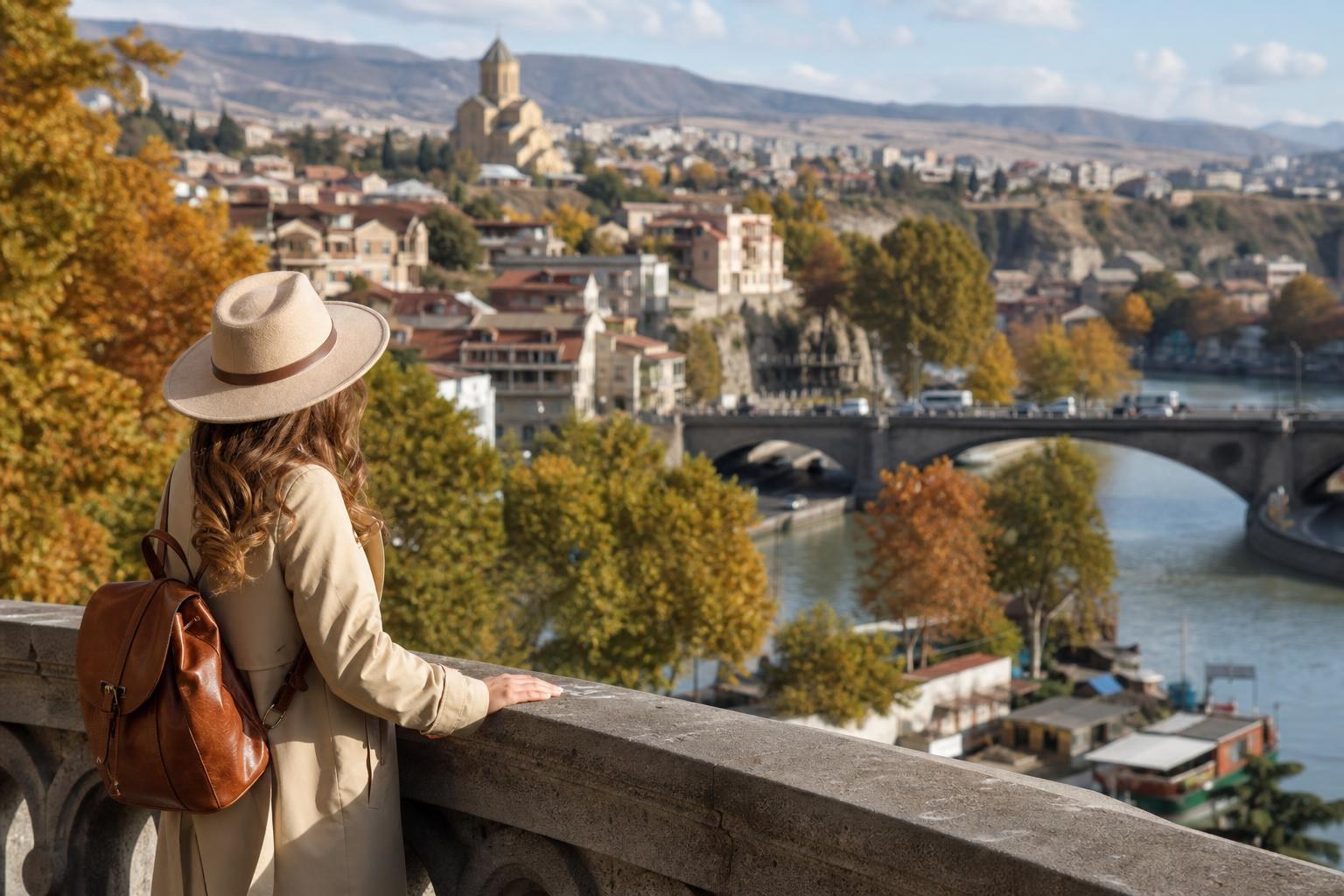
September in Tbilisi catches most visitors off guard. They pack for summer heat or autumn chill, and the city delivers both in a single day. I’ve walked through Old Town in a t-shirt at noon, sweating through the 30°C sun bouncing off limestone walls, then found myself shivering on Rustaveli Avenue by 8 PM as temperatures dropped fifteen degrees. Getting dressed for Tbilisi in September is less about fashion and more about strategy: understanding how the city’s microclimate shifts hour by hour, and how its culture expects you to show up at a church versus a wine bar. If you’re wondering what to wear in Tbilisi during September’s autumn transition, the short answer is layers, comfortable shoes, and a willingness to carry a light jacket everywhere. The longer answer involves understanding why this particular month is so tricky, what Georgian social norms demand of your wardrobe, and how to pack a bag that handles cobblestones, cathedrals, and late-night chacha toasts without needing a second suitcase. This guide breaks it all down with specific fabric recommendations, real temperature data, and a packing list you can screenshot before your trip.
Tbilisi Weather Patterns in September
September is the month Tbilisi can’t make up its mind. The city sits in a valley surrounded by hills, which creates a bowl effect that traps heat during the day and funnels cool mountain air through the streets after dark. This geography means you can experience a 15-18°C temperature swing within twelve hours, something most visitors from coastal climates find genuinely disorienting.
The first half of September typically feels like a continuation of summer. You’ll see locals still in sandals and light dresses, cafes with their outdoor terraces packed, and the Mtkvari River reflecting a sky that stays blue well into the evening. But by the third week, something shifts. The air carries a crispness in the mornings, the light turns golden earlier, and the chestnut vendors start appearing on street corners near Dry Bridge Market. This isn’t a gradual transition: it can happen over a weekend.
September Temperature and Rainfall Data
Here’s what the numbers actually look like, based on historical averages from Georgia’s National Environmental Agency:
| Week | Average High (°C) | Average Low (°C) | Rainfall (mm) | Rain Days |
|---|---|---|---|---|
| Sept 1-7 | 30-32 | 18-20 | 8-12 | 2-3 |
| Sept 8-14 | 28-30 | 17-19 | 10-15 | 2-3 |
| Sept 15-21 | 25-28 | 15-17 | 15-20 | 3-4 |
| Sept 22-30 | 22-26 | 13-15 | 18-25 | 4-5 |
The rainfall pattern matters for packing. Early September storms tend to be brief, intense afternoon downpours that clear within thirty minutes. Late September rain is different: lighter, more persistent, and occasionally lasting half a day. Your rain gear strategy should account for this shift.
Humidity hovers around 55-65% throughout the month, which is moderate enough that cotton breathes fine but high enough that synthetic blends can feel clammy against skin. I’ve found that linen-cotton blends perform best in this specific humidity range.
The Transition from Summer to Autumn
What makes September so distinct from August or October is the unpredictability. August in Tbilisi is reliably hot: 35°C days, warm nights, no question about what to wear. October is reliably autumnal: you need a proper jacket and closed-toe shoes. September is neither.
The transition also affects indoor spaces differently than you might expect. Many restaurants and wine bars in the Vera and Sololaki neighborhoods occupy old buildings with thick stone walls. These interiors stay cool even on warm days, which means that comfortable outdoor temperature can feel cold once you step inside for dinner. Conversely, the Tbilisi Metro stays warm and stuffy year-round, so whatever you’re wearing needs to handle both environments.
One local habit worth adopting: Tbilisians in September carry a thin scarf or shawl almost as a reflex. It’s not a fashion statement. It’s a practical response to a city where you might walk from blazing sun into an air-conditioned mall into a breezy hilltop park within an hour.
Essential Clothing for Layering
The layering principle for September in Tbilisi isn’t complicated, but the specific fabrics and combinations matter more than people realize. You’re not layering for extreme cold: you’re layering for constant temperature shifts across a single day. The goal is to move between three “modes” without carrying a heavy bag.
Your base layer should be a breathable top that works on its own in afternoon heat. Your mid layer should be something you can tie around your waist or stuff into a daypack without wrinkling. Your outer layer needs to block wind and light rain without making you sweat during a twenty-minute uphill walk to Narikala Fortress.
Lightweight Fabrics for Sunny Afternoons
Between roughly 11 AM and 4 PM in early-to-mid September, you’ll want to be in a single layer. The sun in Tbilisi’s valley hits differently than coastal sun: it’s dry, direct, and reflects aggressively off the pale stone buildings in Old Town. Cotton tees and linen shirts are your best friends here.
Specific fabric recommendations:
- Linen-cotton blend shirts (60/40 or 70/30 linen-to-cotton) dry fast and resist wrinkle lines better than pure linen
- Merino wool t-shirts work surprisingly well for their weight, though they’re pricier: brands like Icebreaker or Smartwool make versions around 150g/m² that handle Tbilisi’s humidity
- Avoid pure polyester athletic wear unless you’re hiking Mtatsminda: it reads as too casual for Tbilisi’s café culture and traps odor in the humidity
- Light-colored fabrics reflect the September sun better, and Tbilisians tend to dress in muted earth tones and blacks, so you won’t stand out
For bottoms, lightweight chinos or linen trousers beat jeans every time. Jeans are fine for evening outings, but walking the hills of Sololaki in denim at 30°C is genuinely miserable. Women traveling to Tbilisi often find midi skirts or loose-fitting cotton trousers ideal for both comfort and the modest dress expectations at churches.
Outerwear for Crisp Evenings
By 6 PM, even in the first week of September, you’ll feel the temperature start its descent. By 8 PM, you’ll want a layer. By 10 PM on a late-September evening, you’ll be glad you brought something with a bit of substance.
The ideal September evening jacket for Tbilisi is a lightweight, packable layer that blocks wind. A thin down jacket works for late September but is overkill for the first two weeks. A better all-month option is a water-resistant shell or a soft-shell jacket that you can roll into a daypack during afternoon hours.
I’ve seen too many travelers either overpack heavy coats they never use or underpack and end up buying a cheap jacket from a shop on Aghmashenebeli Avenue at 9 PM. The sweet spot is a single versatile jacket: something like a lightweight rain shell with a fleece lining, or a packable windbreaker paired with a separate thin fleece you can wear independently.
For women, a structured blazer works well for evenings out, and Georgian women tend to dress with a polished, put-together aesthetic that makes a blazer feel appropriate rather than overdressed. Men can get away with a clean bomber jacket or a lightweight field jacket.
Footwear for Cobblestones and Hills
This is where most packing guides fail Tbilisi visitors. The city’s terrain is genuinely demanding on footwear. Old Town streets are paved with uneven cobblestones that have been polished smooth by centuries of foot traffic. When those stones get wet from a September rain shower, they become slippery enough to send you stumbling.
Then there’s the elevation. Tbilisi isn’t flat. Walking from the river up to the Narikala Fortress area involves a serious incline. The streets of Sololaki wind uphill at angles that make fashion sneakers with thin soles feel punishing after thirty minutes. And if you’re taking the paths around the Botanical Garden or walking up to the Chronicle of Georgia monument, you’re dealing with packed dirt, gravel, and occasional mud.
My honest recommendation: bring two pairs of shoes and accept that one of them won’t be pretty. Your primary walking shoe should be a comfortable, broken-in pair with good grip and ankle support. Trail runners or low-profile hiking shoes from brands like Merrell or Salomon work perfectly. They handle cobblestones, hills, and unexpected rain without looking completely out of place at a café.
Your second pair should be for evenings out. For men, clean leather loafers or Chelsea boots work well in Tbilisi’s restaurant scene. For women, low-heeled ankle boots are ideal for late September, while strappy sandals with a sturdy sole work for early September dinners. Avoid stilettos entirely: even Georgian women who dress impeccably tend to wear block heels or flats when navigating Old Town streets.
One practical note: if you’re planning to visit the sulfur baths in Abanotubani, bring cheap flip-flops or water shoes. The bath house floors are wet and the walk between changing rooms and pools requires something waterproof on your feet.
Dressing for Specific Occasions
Tbilisi has a social dress code that isn’t written down anywhere but is absolutely real. Georgians notice what you’re wearing, not to judge tourists harshly, but because personal presentation carries cultural weight here. The Georgian concept of appearance ties into respect: for yourself, for your hosts, and for the occasion.
Church Etiquette and Modest Dress
Georgia is one of the oldest Christian nations on earth, and its churches are active places of worship, not museums. If you’re visiting Tsminda Sameba (Holy Trinity Cathedral), Sioni Cathedral, or Metekhi Church, you need to dress accordingly.
For women, the rules are specific: shoulders must be covered, skirts or trousers should reach below the knee, and most churches provide headscarves at the entrance if you don’t have one. I’d recommend carrying a lightweight scarf in your daypack that can double as a headcovering and an evening wrap. Some churches are stricter than others, and the smaller neighborhood churches tend to be less formal than the major cathedrals, but it’s better to be prepared everywhere.
Men should wear long trousers (no shorts) and cover their shoulders. Hats should be removed before entering. These aren’t suggestions: attendants at the door will stop you if your clothing doesn’t meet the standard.
A practical tip: if your September itinerary includes church visits in the morning and sightseeing in the afternoon heat, wear a knee-length skirt or lightweight trousers with a short-sleeve top, and carry a thin cardigan or shawl that you can add at the church door and remove afterward.
Evening Dining and Wine Bars
Tbilisi’s food and wine scene has exploded in recent years, and the dress expectations vary significantly by venue. At a traditional Georgian restaurant like Shavi Lomi or Barbarestan, smart casual is perfect: clean jeans, a nice top, closed-toe shoes. Nobody expects formal wear, but showing up in hiking gear and trail runners will feel out of place.
The wine bars in Vera and along Chardin Street attract a younger, fashion-conscious crowd. Georgian style leans toward dark colors, well-fitted clothing, and understated accessories. Think European city chic rather than American casual. A pair of dark jeans, a quality knit top, and clean leather shoes will fit right in.
For a supra, the traditional Georgian feast, comfort matters most because you’ll be sitting for hours. Stretchy waistbands are your friend: this isn’t a joke. A proper supra involves multiple toasts led by the tamada (toastmaster), endless plates of khinkali and khachapuri, and the kind of generous hospitality where refusing food is nearly impossible. Dress respectfully but prioritize comfort.
Accessories and Practical Travel Gear
The right accessories can save a September Tbilisi trip from minor annoyances. A compact umbrella is non-negotiable for the second half of the month: those afternoon showers come fast, and ducking into a shop doorway gets old after the third time. Choose one that fits in a daypack side pocket.
Sunglasses are essential through the entire month. The September sun sits lower in the sky than summer, which means more direct glare during morning and late afternoon walks. Polarized lenses help significantly when you’re navigating the bright stone streets of Old Town.
A crossbody bag or anti-theft daypack serves you better than a backpack in Tbilisi. The city is generally safe: Georgia ranks well on global safety indices, and the tourist police (identifiable by their blue uniforms) are helpful and often speak English. But crowded spaces like Dezerter Bazaar and the Dry Bridge flea market are easier to handle with your belongings in front of you.
Other items worth packing:
- A reusable water bottle (Tbilisi tap water is safe to drink, and refilling saves you 1-2 GEL per bottle)
- A portable phone charger, especially if you’re using Bolt for taxis (around 3-5 GEL for most in-city rides) and Google Maps for navigation
- Sunscreen with SPF 30 or higher: the September sun is deceptive, and you will burn on exposed skin during midday walks
- A packable tote bag for spontaneous market purchases: you’ll find everything from churchkhela (walnut-grape candy) to handmade ceramics at prices that make impulse buying irresistible
Download the Google Translate offline pack for Georgian before you arrive. While younger Tbilisians increasingly speak English, market vendors and taxi drivers outside the app-based services often don’t, and having translation ready on your phone is genuinely useful.
Final Packing Checklist for September
Here’s what I’d put in a carry-on-sized bag for a week in Tbilisi during September, based on everything above:
- 3-4 breathable tops (linen-cotton blend or merino)
- 2 pairs of lightweight trousers or chinos
- 1 pair of dark jeans for evenings
- 1 midi skirt or dress (for church visits and dinners)
- 1 packable rain shell or windbreaker
- 1 thin fleece or cardigan for layering
- 1 lightweight scarf (doubles as church headcovering and evening wrap)
- Comfortable walking shoes with good grip
- Evening shoes (loafers, ankle boots, or sturdy sandals)
- Flip-flops for sulfur baths
- Compact umbrella
- Sunglasses (polarized)
- Sunscreen SPF 30+
- Crossbody bag or small daypack
- Reusable water bottle
- Portable phone charger
This list covers early September warmth and late September chill without overpacking. The key insight for autumn packing in Tbilisi is versatility over volume: every item should serve at least two purposes or work across multiple temperature ranges.
September remains one of the best months to visit Tbilisi. The summer crowds thin out, the wine harvest begins in Kakheti, and the city takes on a golden quality that photographs beautifully. Pack smart, respect the dress customs, and leave room in your bag for the things you’ll inevitably want to bring home. Georgia has a saying: stumari ghvtisaa, meaning “a guest is a gift from God.” Dress like someone worth welcoming.