
Table of Contents
- Tbilisi Climate Overview and Seasonal Weather Table
- Seasonal Packing Essentials
- Dressing for Georgian Culture and Traditions
- Footwear for Cobblestones and Hills
- Practical Accessories and Tech Gear
- Your Tbilisi Packing Checklist
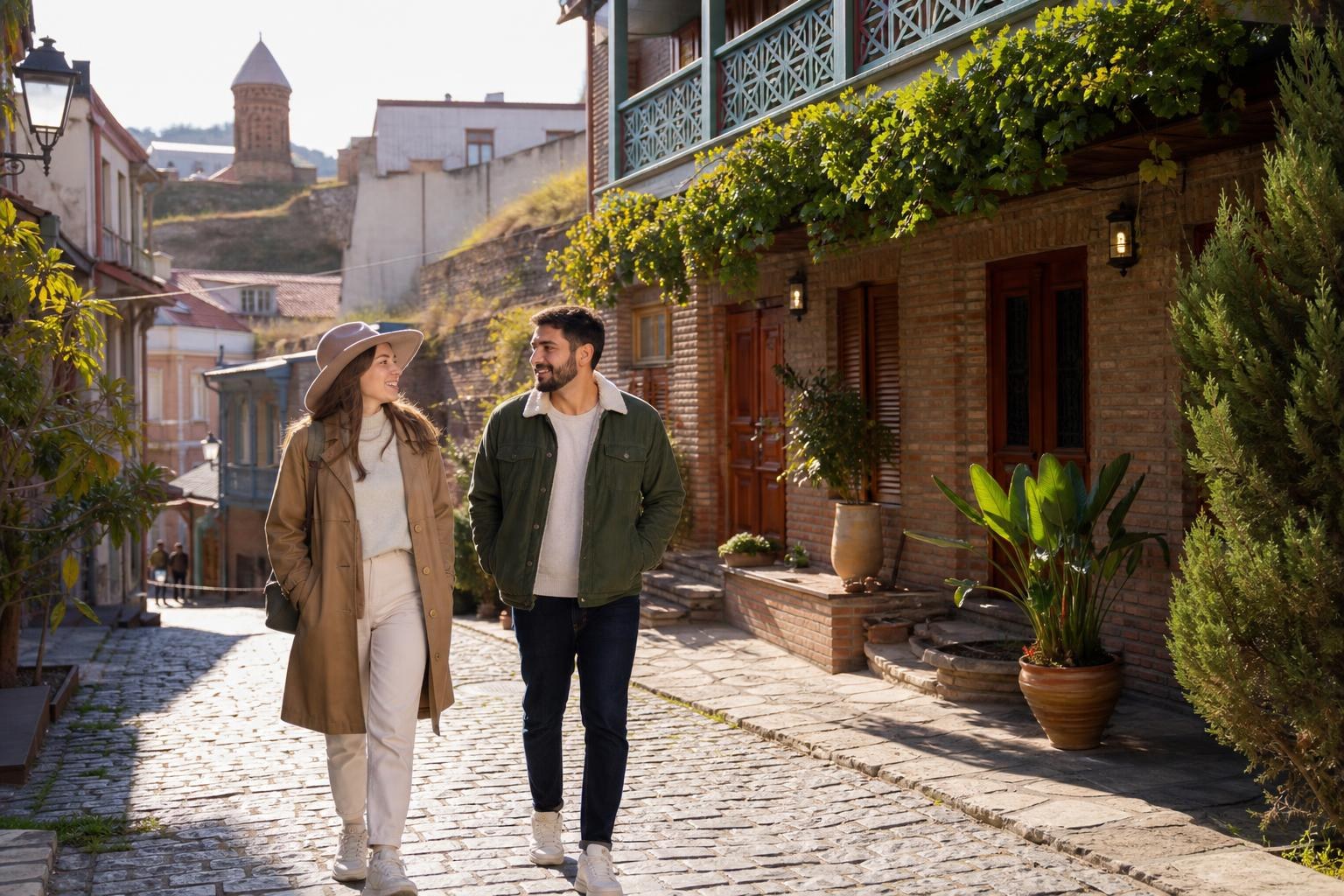
Tbilisi is one of those cities that catches travelers off guard. You show up expecting a post-Soviet capital with predictable weather and find yourself sweating through a 38°C July afternoon, then shivering in a wind tunnel between Old Town buildings by evening. The city sits in a valley surrounded by hills, which means microclimates shift fast and dress codes vary wildly depending on whether you’re climbing to Narikala Fortress, sipping natural wine in a Vera district bar, or attending a Sunday liturgy at Sioni Cathedral. I’ve watched tourists struggle with this firsthand: overdressed in summer, underdressed for mountain day trips, and completely unprepared for the cobblestone streets that destroy flimsy shoes. Getting your packing right for Tbilisi isn’t about looking good (though Georgians do care about appearance). It’s about comfort, respect for local customs, and being ready for a city that can throw four seasons at you in a single week. This packing guide covers every month of the year so you can focus on the food, the wine, and the genuinely warm people rather than regretting what you left at home.
Tbilisi Climate Overview and Seasonal Weather Table
Tbilisi has a humid subtropical climate, but that label doesn’t tell the full story. The city’s position in the Mtkvari River valley creates a heat trap in summer and funnels cold winds through the streets in winter. Spring and autumn are the sweet spots for travel, but they’re also the most unpredictable: a sunny 20°C morning can become a 10°C rainy afternoon without warning.
Georgia’s tourism sector has been growing steadily with new infrastructure improvements and expanded airline routes, which means more visitors are arriving year-round rather than clustering in peak summer months. That makes understanding the full climate cycle essential.
Here’s what to expect month by month:
| Month | Avg. High (°C) | Avg. Low (°C) | Rainfall (mm) | What to Expect |
|---|---|---|---|---|
| January | 6 | -2 | 20 | Cold, occasional snow |
| February | 8 | -1 | 25 | Cold, dry spells |
| March | 13 | 3 | 30 | Warming, unpredictable rain |
| April | 18 | 8 | 50 | Mild, frequent showers |
| May | 23 | 12 | 75 | Warm, wettest month |
| June | 28 | 16 | 60 | Hot, occasional storms |
| July | 31 | 19 | 40 | Peak heat, dry |
| August | 31 | 19 | 35 | Peak heat, dry |
| September | 26 | 15 | 35 | Warm, pleasant |
| October | 19 | 9 | 40 | Cooling, golden light |
| November | 12 | 4 | 30 | Cool, overcast |
| December | 7 | 0 | 25 | Cold, early darkness |
The key takeaway from this table: May is the rainiest month despite being one of the most popular travel periods, and July-August highs regularly exceed 35°C in the city center where heat reflects off stone buildings. Plan your wardrobe around these realities, not around what looks good on Instagram.
Seasonal Packing Essentials
Layering for Spring and Autumn
Spring (March through May) and autumn (September through November) are Tbilisi’s most rewarding seasons for visitors, but they demand the most strategic packing. Temperature swings of 15°C within a single day are normal. A morning walk through the Dry Bridge Market might call for a light jacket, while an afternoon at the Tbilisi Botanical Garden has you peeling down to a t-shirt.
The layering principle here is simple: start with a breathable base layer (merino wool or moisture-wicking synthetic), add a mid-layer like a fleece or light sweater, and top it with a packable rain jacket. I’ve found that three thin layers outperform one thick jacket every time in Tbilisi’s transitional seasons. You can strip down as the day warms and add layers back when the sun drops behind Mtatsminda.
Cotton is fine for a base layer if you’re sticking to the city, but if you plan any day trips to Kazbegi or Sighnaghi, synthetic or merino fabrics dry faster after unexpected rain. A lightweight scarf does triple duty: warmth, sun protection, and a quick head covering for church visits. Pack at least one pair of long pants and one pair of comfortable shorts or a skirt for spring and autumn trips, because you’ll genuinely use both.
Breathable Fabrics for Hot Summers
Tbilisi summers are brutal. There’s no sugarcoating it. From mid-June through August, the city regularly hits 35-38°C, and the humidity in the valley makes it feel worse. Stone sidewalks and old buildings radiate stored heat well into the evening. Packing the wrong fabrics turns a beautiful city into an endurance test.
Linen is your best friend here. It breathes, it dries fast, and it looks appropriate for both casual sightseeing and a nice dinner at a restaurant on Aghmashenebeli Avenue. Cotton works too, but it holds sweat and takes longer to dry. Avoid polyester unless it’s specifically designed for moisture-wicking athletic wear.
Loose-fitting clothes beat tight ones in this heat. Think flowy linen pants rather than skinny jeans, and airy blouses rather than fitted tops. Light colors reflect sunlight better than dark ones, which matters when you’re walking uphill to the Chronicle of Georgia monument at 2 PM. A wide-brimmed hat isn’t optional in summer: it’s necessary, especially since shade is scarce on many of Tbilisi’s hillside walks. Pack at least one outfit that covers your shoulders and knees for church visits, even in the hottest weeks.
Heavy Insulation for Cold Winters
Winter in Tbilisi is milder than in northern Europe or the American Midwest, but it still drops below freezing at night and occasionally brings snow. The real challenge isn’t the temperature itself: it’s the damp cold that seeps through inadequate layers, combined with wind channeling through the valley.
A proper winter coat is essential from December through February. Down or synthetic insulated jackets work well, especially if they’re wind-resistant. Layer a wool sweater or fleece underneath for the coldest days. Thermal base layers (top and bottom) make a huge difference during long walking days, particularly if you’re exploring the sulfur bath district or wandering through the Dezerter Bazaar early in the morning.
Don’t forget warm accessories: a wool beanie, insulated gloves, and a thick scarf. Your extremities lose heat fastest, and Tbilisi’s winter wind makes exposed skin uncomfortable quickly. Waterproof boots with good insulation handle both the occasional snow and the wet streets that come with winter rain. If you’re planning a ski trip to Gudauri (about two hours north), you’ll need proper ski gear, but the city itself rarely requires anything beyond a solid winter coat and layers.
Dressing for Georgian Culture and Traditions
Georgian culture places genuine value on appearance and respect. This isn’t performative: it’s rooted in centuries of tradition where hospitality and presentation reflect personal dignity. The concept of “stumari ghvtisaa” (the guest is a gift from God) extends both ways. Georgians welcome you warmly, and they appreciate when visitors show respect through how they present themselves.
Tbilisi itself is surprisingly fashion-forward. The city hosted Mercedes-Benz Fashion Week Tbilisi again in 2026, an event that has positioned itself as a laboratory of identity, heritage, and resistance, blending Georgian textile traditions with contemporary design. You’ll notice this creative energy on the streets: young Tbilisians mix vintage Soviet-era finds with modern streetwear in ways that feel genuinely original. You don’t need to match their style, but packing at least one or two outfits that feel intentional rather than purely functional will help you feel at home in the city’s social spaces.
Appropriate Attire for Orthodox Churches
Georgia was one of the first countries to adopt Christianity in 337 AD, and the Orthodox Church remains central to daily life. You’ll encounter churches everywhere in Tbilisi, from the massive Holy Trinity Cathedral (Sameba) to tiny neighborhood chapels tucked into side streets. Most are active places of worship, not museums, and dress codes are enforced.
Women must cover their heads and shoulders, and wear skirts or dresses that fall below the knee. Many churches provide loaner scarves and wrap skirts at the entrance, but relying on these isn’t ideal: they’re often well-worn and limited in supply during busy periods. Pack a lightweight scarf that can double as a head covering, and keep a long skirt or sarong in your daypack for spontaneous church visits.
Men need long pants and covered shoulders. Shorts and tank tops will get you turned away. Hats should be removed before entering. These rules apply even in 38°C summer heat, so plan accordingly with breathable fabrics that still meet the coverage requirements.
Tbilisi Nightlife and Dining Out Styles
Tbilisi’s nightlife scene ranges from underground techno clubs (Bassiani remains legendary) to sophisticated wine bars in the Vera and Sololaki neighborhoods. The dress code varies dramatically depending on where you’re headed.
For restaurants, smart casual works almost everywhere. A clean pair of dark jeans or trousers with a nice top or button-down shirt is perfectly appropriate, even at upscale spots like Barbarestan or Shavi Lomi. Georgians tend to dress up slightly more than Western Europeans for dinner, so avoid showing up in athletic wear or flip-flops if you want to blend in.
Club culture is different. Bassiani and similar venues lean toward dark, minimal aesthetics: think black clothing, comfortable shoes you can dance in for hours, and nothing too flashy. Some clubs have strict door policies that reject overly touristy or sloppy outfits. If you’re planning a night out, pack one club-appropriate outfit that’s comfortable but intentional.
Footwear for Cobblestones and Hills
This is where most visitors get it wrong, and where I’ve seen the most regret. Tbilisi’s Old Town is built on hills covered in uneven cobblestones, cracked sidewalks, and steep staircases. Flat sandals, heels, and flimsy sneakers all fail here. I’ve watched people in brand-new fashion sneakers slip on the polished stones near Meidan Square more times than I can count.
Your primary walking shoes should have good ankle support, grippy soles, and enough cushioning for 15,000-plus step days (which is a normal sightseeing day in Tbilisi). Trail runners or lightweight hiking shoes are the sweet spot: they handle cobblestones, stairs, and the occasional muddy path in Mtatsminda Park without looking out of place. Brands like Salomon, Merrell, or Hoka make options that work for both city walking and day hikes.
Pack a second pair of shoes for evenings out. Simple leather shoes, clean sneakers, or comfortable sandals with back straps work well for dinners and bars where you’re not covering long distances. In summer, quality sport sandals (Teva, Chaco) can serve as your evening shoe while giving your feet a break from closed-toe walking shoes.
Break in any new shoes before your trip. Tbilisi’s terrain will punish fresh footwear with blisters by day two. This is non-negotiable advice that many packing guides for Georgia emphasize but travelers still ignore.
Practical Accessories and Tech Gear
Sun Protection and Rain Gear
Tbilisi’s UV index hits 8-9 in summer, which is high enough to burn fair skin in under 20 minutes. Pack SPF 50 sunscreen (available locally but often at inflated tourist prices), quality sunglasses with UV protection, and a hat with a brim. A buff or bandana protects the back of your neck during long walks.
Rain gear matters in every season except July and August. A compact, packable rain jacket (not a poncho, which catches wind on hillsides) is essential for spring and autumn. A small travel umbrella fits easily in a daypack and saves you from ducking into shops every time a shower rolls through. Waterproof phone cases or dry bags protect electronics during sudden downpours, which can be intense in May and June.
Daypacks and Security Essentials
A good daypack is arguably your most important accessory in Tbilisi. You need something that carries water, a rain layer, a camera, snacks, and a head covering for churches without killing your back on steep hills. A 20-25 liter pack with padded straps and a hip belt hits the right balance.
Tbilisi is generally safe: the police are reliable and street crime rates are low compared to most European capitals. That said, pickpocketing does happen in crowded areas like the Dry Bridge Market and on busy metro trains. An anti-theft daypack with lockable zippers or hidden pockets adds peace of mind without being overkill. Keep your passport in your hotel safe and carry a photocopy instead.
For tech, download the Bolt app for taxis (cheaper and more reliable than hailing cabs), Google Translate with the Georgian offline pack (the alphabet is unique and beautiful but completely unreadable to newcomers), and maps.me for offline navigation. A portable power bank keeps your phone alive through long sightseeing days, and a universal adapter handles Georgia’s European-style Type C and F outlets.
Your Tbilisi Packing Checklist
Packing for Tbilisi comes down to three principles: layer for unpredictable weather, respect local customs with appropriate coverage, and protect your feet from the city’s gorgeous but punishing terrain. The specific items change by season, but the approach stays consistent.
If you’re visiting in the shoulder seasons of spring or autumn, prioritize versatility. A few mix-and-match pieces in breathable fabrics, a packable rain jacket, and solid walking shoes will cover 90% of situations. Summer visitors should focus on heat management and sun protection. Winter travelers need genuine insulation and waterproofing.
Georgia’s economy continues to grow, with the tourism and services sectors driving significant GDP expansion, which means infrastructure, shopping options, and visitor services improve each year. If you forget something, Tbilisi’s malls and markets can fill the gap at reasonable prices. But arriving prepared means more time eating khinkali, drinking qvevri wine, and falling in love with a city that rewards visitors who show up ready for anything it throws at them.