
Table of Contents
- Defining the Summer Season in Tbilisi
- Monthly Weather Breakdown: June to August
- Essential Packing and Preparation Tips
- Top Summer Activities and Cooling Retreats
- Planning Day Trips to Escape the Heat
- Key Summer Events and Festivals in Tbilisi
- Making the Most of Your Tbilisi Summer
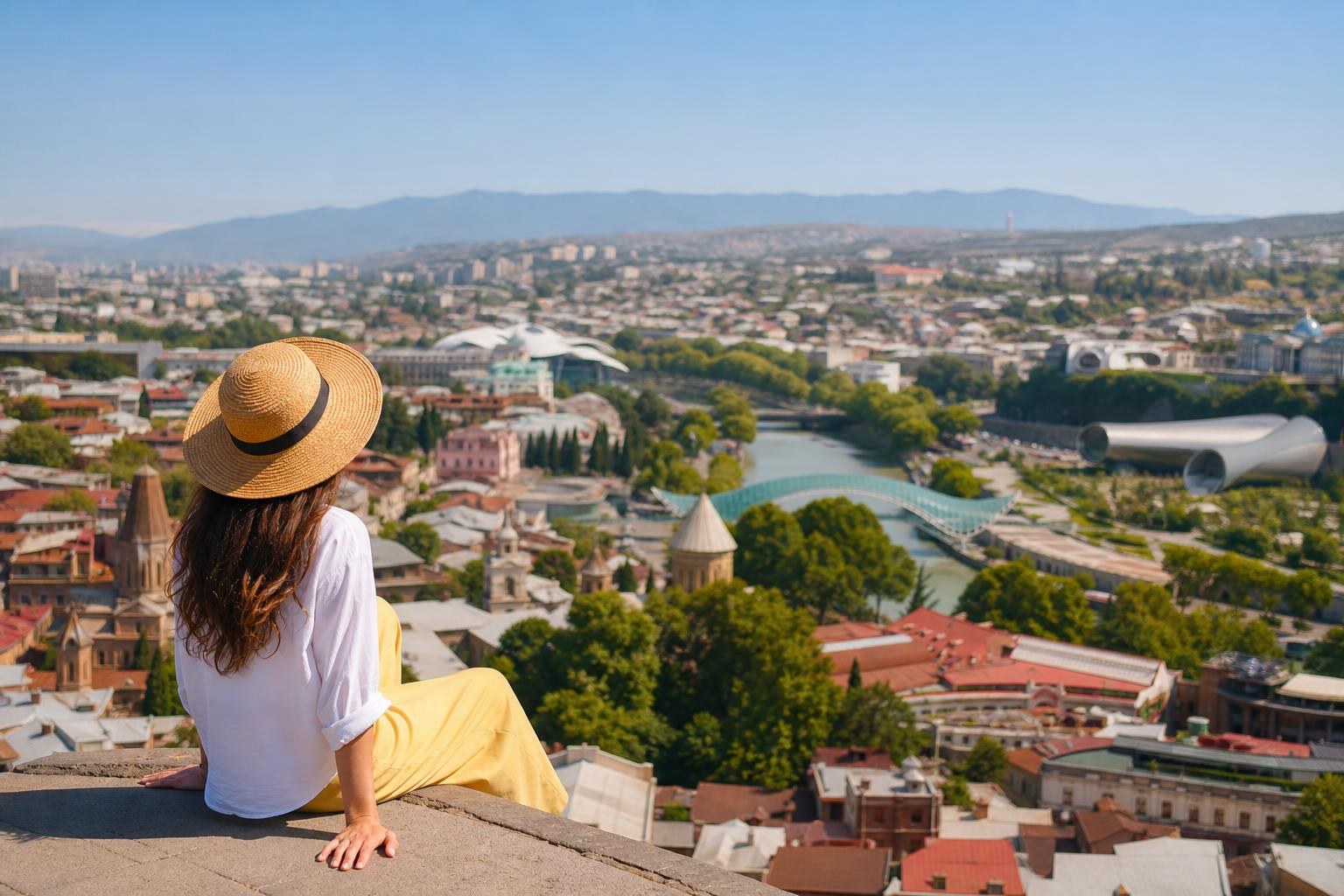
Tbilisi in summer is a completely different city from the one you’ll find during its mild spring or crisp autumn. The heat is real, the energy shifts, and the way locals live their daily lives changes dramatically between June and August. If you’re planning a trip and wondering about summer dates, temperatures, and practical tips for Georgia’s capital, you’ve come to the right place. I’ve spent multiple summers in Tbilisi, and each one taught me something new about how to actually enjoy the city when the thermometer climbs past 35°C. The trick isn’t avoiding the heat entirely: it’s knowing how to work with it. Most travel guides gloss over the details that matter, like which weeks are genuinely unbearable, what to wear when you want to visit a church but also not pass out from heatstroke, and where locals actually go to cool down. This guide covers all of that, with real numbers, specific recommendations, and honest advice about what summer in Tbilisi actually feels like on the ground.
Defining the Summer Season in Tbilisi
Summer in Tbilisi doesn’t arrive politely. It builds through late May, hits full force by mid-June, and doesn’t really let go until mid-September. The city sits in a valley surrounded by hills, which traps heat and humidity in a way that can catch first-time visitors off guard. Understanding the calendar and what the numbers actually mean on your skin is the first step to planning well.
The Official and Meteorological Calendar
Georgia follows the standard Northern Hemisphere calendar, so summer officially runs from June 1 through August 31. But the meteorological reality is a bit different. Late May often brings temperatures above 28°C, and the first two weeks of September can still feel like full summer, with highs hovering around 30°C. The best time to visit Georgia depends heavily on what you’re after: if you want warm weather without the extreme heat, early June or September edges are your sweet spot. Peak summer, meaning the stretch from roughly June 20 to August 25, is when the city operates in true hot-weather mode. Shops close during the hottest afternoon hours, outdoor dining shifts almost entirely to evenings, and locals schedule their errands for early morning or after 6 PM. The Georgian word for this sluggish midday period doesn’t have a perfect English equivalent, but think of it as the city collectively agreeing that 2 PM is no time to be productive.
Temperature and Humidity Averages Table
Raw numbers help, but context matters more. A 33°C day with 40% humidity feels very different from 33°C with 65% humidity, and Tbilisi can swing between both.
| Month | Avg. High (°C) | Avg. Low (°C) | Avg. Humidity (%) | Rainy Days |
|---|---|---|---|---|
| June | 29-31 | 17-19 | 55-60 | 7-9 |
| July | 33-35 | 20-22 | 50-55 | 4-6 |
| August | 33-35 | 20-22 | 48-53 | 4-5 |
Humidity in Tbilisi averages around 55% during summer months, which is moderate but noticeable in the valley. The combination of concrete, asphalt, and limited tree cover in parts of the Old Town amplifies the felt temperature. If you’re coming from a dry climate, the humidity will feel heavier than the numbers suggest. If you’re from Southeast Asia or the American Gulf Coast, you’ll probably find it manageable.
Monthly Weather Breakdown: June to August
Each summer month in Tbilisi has a distinct personality. Grouping them all together as “hot” misses important differences that affect everything from what you pack to which activities are realistic.
June: The Pleasant Start
June is my favorite summer month in Tbilisi, and most experienced travelers agree. The first two weeks still carry traces of spring: occasional rain showers that cool things down, temperatures that peak around 28-30°C, and evenings pleasant enough for long walks along the Mtkvari River without breaking a sweat. The city’s parks, especially Mtatsminda and Vake Park, are still green and lush rather than the slightly scorched look they take on by August.
By the third week of June, the heat starts asserting itself more consistently. You’ll notice locals switching from jeans to lighter fabrics, and the outdoor restaurant terraces along Aghmashenebeli Avenue fill up later in the evening. Rain becomes less frequent, dropping from roughly 8-9 days in the first half to maybe 3-4 in the last two weeks. June is also when the city’s cultural calendar kicks into high gear, with several festivals launching their summer programming.
July and August: The Peak Heat
July and August are when Tbilisi earns its reputation as a genuinely hot city. Afternoon temperatures regularly hit 35-37°C, and during heat waves, the mercury can push past 40°C. I remember one August afternoon where my phone’s weather app showed 42°C, and the asphalt near Dry Bridge Market felt like it could melt shoe soles. These aren’t daily occurrences, but they happen several times each summer.
The upside of July and August is the near-total absence of rain. You can plan outdoor activities with confidence, just schedule them for morning or evening. Sunrise happens around 5:45 AM in July, and the hours between 6 and 9 AM are genuinely beautiful: warm but not oppressive, with golden light that makes the Old Town look incredible in photos. The window between 7 and 10 PM is equally good, as temperatures drop to a comfortable 25-27°C and the city comes alive with street musicians, families, and the smell of grilling mtsvadi drifting from restaurant courtyards.
The weather in Tbilisi during peak summer can feel intense, but it’s a dry-ish heat compared to tropical destinations. Staying hydrated and respecting the midday sun makes a huge difference.
Essential Packing and Preparation Tips
Packing for summer in Tbilisi requires thinking about two competing needs: staying cool in serious heat and being respectful at religious and cultural sites. Getting this balance wrong leads to either discomfort or awkward moments at church doors.
Dress Code for City Heat and Holy Sites
Georgia is a deeply Orthodox Christian country, and its churches and monasteries have dress codes that don’t bend for summer weather. Women need to cover their shoulders and wear skirts or wraps below the knee. Men should wear long pants, though this rule is sometimes relaxed at less formal sites. Most major churches like Sameba (Holy Trinity Cathedral) have loaner scarves and wraps at the entrance, but relying on these isn’t ideal: they’re often heavy fabric that makes you hotter.
My practical approach: pack lightweight linen pants and a couple of loose, long-sleeved shirts in breathable fabrics. A large cotton scarf doubles as a head covering, shoulder wrap, and impromptu picnic blanket. For everyday walking around the city, shorts and tank tops are perfectly fine. Tbilisi is cosmopolitan, and nobody bats an eye at summer clothing in restaurants, markets, or parks.
Footwear matters more than most people expect. Tbilisi’s Old Town has cobblestone streets, steep hills, and uneven sidewalks. Sandals with good grip work; flimsy flip-flops don’t. I’ve watched too many tourists slip on the polished stones near the sulfur baths to recommend anything without a proper sole.
Health and Safety: Sun Protection and Hydration
The sun in Tbilisi during July and August is no joke. UV index regularly hits 8-10, and the reflected heat from light-colored buildings adds to exposure. Bring SPF 50 sunscreen, a hat with a brim, and quality sunglasses. Georgian pharmacies sell sunscreen, but the selection is limited and prices are higher than what you’d pay at home.
Hydration is your most important daily task. I carry a 1.5-liter bottle and refill it from filtered water stations that are increasingly common in cafes and coworking spaces. Tbilisi’s tap water is safe to drink, which is a genuine advantage. A liter of bottled water costs about 0.80-1.20 GEL (roughly $0.30-0.45 USD) at corner shops, so there’s no excuse to go thirsty. Daily travel costs in Tbilisi remain remarkably affordable, with food, transport, and activities costing a fraction of Western European prices.
Watch for signs of heat exhaustion: dizziness, nausea, and headaches that don’t respond to water. The smart move is to duck into an air-conditioned cafe during peak hours. Most places along Rustaveli Avenue and in the Vera neighborhood have excellent AC and won’t mind you lingering over a single coffee for an hour.
Top Summer Activities and Cooling Retreats
Tbilisi doesn’t shut down in summer: it just shifts its rhythm. The best experiences happen in the cooler margins of the day, and the city has more cooling options than you might expect.
Lakes and Water Parks in the City
Tbilisi Sea, known locally as the Tbilisi Reservoir, is the city’s primary water escape. Located in the northeastern part of the city, it’s reachable by cable car from Vake Park, which is itself a pleasant experience with panoramic views. The shoreline has a mix of public beaches and private beach clubs where you can rent sunbeds for 10-20 GEL. The water is clean enough for swimming, though it gets crowded on weekends.
Gino Paradise, a water park near the reservoir, is the go-to spot for families and groups. It has pools, slides, and enough shade structures to spend a full day without getting sunburned. Entry runs about 40-60 GEL depending on the day and package.
Within the city center, Mtatsminda Park sits on a hilltop where temperatures run 3-5°C cooler than the valley floor. The park has rides, cafes, and shaded walking paths. Taking the funicular up from the Old Town is half the fun: the ride itself offers one of the best views of the city.
Evening Entertainment and Open-Air Cafes
Summer evenings in Tbilisi are genuinely magical. The city has a cafe culture that rivals anything in Southern Europe, and when the sun drops below the hills around 8:30 PM, the terraces fill up fast. Fabrika, a converted Soviet sewing factory in Marjanishvili, is a hub for creative types and travelers, with a sprawling courtyard that hosts DJs, pop-up food stalls, and art installations through the summer months.
The Old Town around Shardeni Street and Erekle II Square transforms into an open-air party most evenings. Live music spills out of wine bars, and you can hop between venues sampling natural Georgian wines by the glass for 8-15 GEL. The sulfur bath district stays open late, and there’s something uniquely satisfying about a hot sulfur soak at 11 PM when the outside air has finally cooled to a comfortable temperature.
For a more local experience, head to the Vake or Saburtalo neighborhoods where Tbilisians actually spend their evenings. The restaurants are cheaper, the crowds are thinner, and the food is often better than what you’ll find in the tourist center.
Planning Day Trips to Escape the Heat
When Tbilisi’s valley heat becomes too much, the mountains are never far away. Georgia’s geography is one of its greatest gifts: you can go from 400 meters elevation to 2,000+ meters in under three hours by car.
High Altitude Getaways: Kazbegi and Gudauri
Kazbegi, officially called Stepantsminda, sits at about 1,750 meters elevation along the Georgian Military Highway, roughly three hours north of Tbilisi. Summer temperatures there hover around 20-25°C, which feels like air conditioning after days in the capital. The drive itself is spectacular: you pass through Ananuri Fortress, the Jinvali Reservoir, and increasingly dramatic mountain scenery. The iconic Gergeti Trinity Church, perched at 2,170 meters with Mount Kazbek as its backdrop, is one of the most photographed spots in the Caucasus for good reason.
Gudauri, known primarily as a ski resort, makes an excellent summer base at 2,200 meters. The area offers paragliding, hiking, and mountain biking, with temperatures rarely exceeding 22°C even in August. Several guesthouses and small hotels operate year-round, and prices drop significantly compared to winter season.
Other options include Borjomi, famous for its mineral water and forested gorge, and Tusheti, a remote mountain region accessible only in summer via a famously terrifying mountain road. Tusheti requires more planning but rewards you with medieval tower villages and landscapes that feel untouched by the modern world. Georgia’s tourism sector has grown significantly in recent years, but places like Tusheti still feel wonderfully uncrowded.
Key Summer Events and Festivals in Tbilisi
Summer is festival season in Tbilisi, and the city’s event calendar has expanded considerably in recent years. The programming runs from electronic music to traditional folk, with plenty of food and wine events mixed in.
Tbilisoba, the city’s biggest festival, actually falls in October, but summer has its own highlights. Art-Gene Festival at the Open Air Museum of Ethnography typically runs in July, showcasing traditional Georgian crafts, music, and dance in a hillside setting above Vake Park. The Tbilisi Open Air Festival brings international and local music acts to outdoor stages, usually in late June or early July.
Wine lovers should look for natural wine events and qvevri tastings that pop up throughout the summer. Georgia’s 8,000-year winemaking tradition isn’t just marketing: it’s a living practice, and summer is when many small producers open their doors for tastings. The festival calendar in Tbilisi keeps expanding each year, so check listings close to your travel dates.
Black Sea Jazz Festival in Batumi, while not in Tbilisi, is worth the five-hour train ride if your dates align. The festival draws international headliners and takes place right on the waterfront, where sea breezes keep temperatures far more comfortable than in the capital.
For something uniquely Georgian, seek out a supra: a traditional feast with a tamada (toastmaster) leading elaborate toasts. Summer supras often happen outdoors in courtyards or gardens, and if you’re lucky enough to be invited to one, clear your entire evening. These feasts routinely last four to five hours and involve quantities of food and wine that would alarm a nutritionist.
Making the Most of Your Tbilisi Summer
Summer in Tbilisi is intense but rewarding if you plan around the heat rather than fighting it. The dates are straightforward: June through August, with peak heat in July and August. The tips that actually matter come down to timing your days wisely, packing for both heat and cultural sites, and knowing where to escape when the valley becomes an oven.
Start your days early, retreat to air-conditioned spaces or higher elevations during midday, and save your energy for the evenings when the city truly comes alive. Budget generously for water and sunscreen but know that almost everything else in Tbilisi remains affordable by European standards. And don’t skip the day trips: the mountains are half the reason Georgia is worth visiting in summer, and they’re close enough to reach before lunch.
The best summer trips to Tbilisi happen when you stop trying to sightsee like it’s April and start living like a local: slowly, strategically, and with a cold glass of Tsinandali white wine always within reach.