
Table of Contents
- Why Stay in Tbilisi Old Town (Dzveli Tbilisi)
- Best Neighborhoods Within the Old City
- Top-Rated Hotels in Tbilisi Old Town
- Comparison of Top Accommodations
- Tips for Booking Your Old Town Stay
- Finding Your Perfect Old Town Hotel
Tbilisi’s Old Town is one of those places that makes you question why you ever booked a generic chain hotel anywhere. Cobblestone lanes twist past crumbling balconies draped in grapevines, sulfur baths steam beneath a hilltop fortress, and a grandmother on the corner might wave you over for a glass of homemade wine before you’ve even found your hotel. I’ve spent months exploring Dzveli Tbilisi across multiple trips, and the question of where to stay in Tbilisi Old Town comes up constantly from friends planning their first visit. The honest answer: it depends on your budget, your tolerance for steep hills, and whether you want to wake up to the sound of church bells or the hum of a trendy wine bar. This guide breaks down the best neighborhoods, specific hotels worth your money, and practical tips that most travel blogs skip entirely. Prices referenced here reflect 2026 rates in Georgian Lari (GEL), with approximate USD conversions at the current exchange rate of roughly 2.7 GEL to $1.
Why Stay in Tbilisi Old Town (Dzveli Tbilisi)
The Old Town isn’t just the historic center of Tbilisi: it’s the emotional center. Staying here means you’re embedded in the city’s identity rather than observing it from a sanitized distance. Unlike the glass-and-steel developments along Rustaveli Avenue or the newer Vake district, Dzveli Tbilisi has a density of experience per square meter that’s hard to match. You step outside and you’re immediately inside something: a conversation, a courtyard, a century-old bakery pulling tone bread from a clay oven.
Most visitors to Tbilisi spend the majority of their sightseeing time in the Old Town anyway. Staying outside it means daily commutes by taxi or metro, which aren’t expensive (a Bolt ride across the city rarely exceeds 8-10 GEL, about $3) but eat into your morning. When your hotel is already in the thick of it, your first coffee can happen at a sidewalk cafe on Shardeni Street while the city is still waking up.
Proximity to Top Landmarks
From almost any Old Town hotel, you’re within a 10-to-15-minute walk of the major sights. The Narikala Fortress sits directly above the district, reachable by cable car (2.5 GEL) or a steep footpath. The Metekhi Church, the Anchiskhati Basilica (the oldest surviving church in Tbilisi, dating to the 6th century), and the Sioni Cathedral are all clustered within the Old Town’s boundaries.
The Bridge of Peace, connecting the Old Town to Rike Park, is a 5-minute walk from most Sololaki accommodations. The National Museum of Georgia and the Dry Bridge flea market are just slightly beyond the Old Town’s edges but still easily walkable. You won’t need a car or even public transit for 90% of your itinerary.
Authentic Architecture and Atmosphere
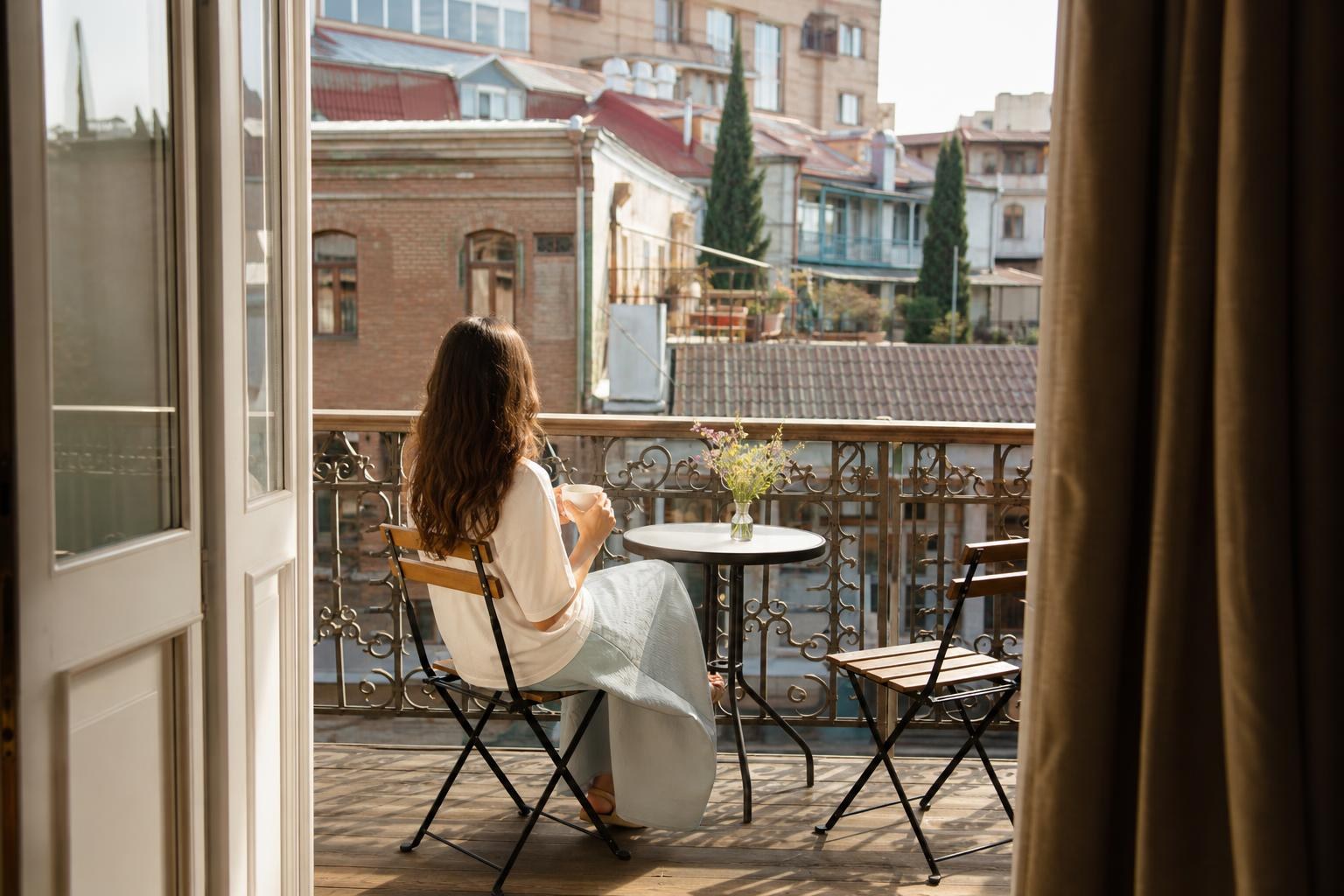
The architecture here tells a layered story: Persian-influenced carved wooden balconies, Art Nouveau facades from the Russian Imperial period, and Soviet-era additions that somehow coexist without clashing. Many hotels in the Old Town occupy restored 19th-century buildings, and the best ones preserve original details like ornamental ceilings, wrought-iron railings, and interior courtyards.
There’s a Georgian phrase, “stumari ghvtisaa,” meaning “a guest is a gift from God.” You feel this philosophy in the Old Town more than anywhere else in the city. Guesthouse owners treat you less like a customer and more like a relative who’s finally come to visit. This isn’t the transactional hospitality of a resort chain: it’s personal, sometimes overwhelming, and always genuine. Don’t be surprised if your host insists you try their aunt’s tkemali sauce before you’ve set down your bags.
Best Neighborhoods Within the Old City
The Old Town isn’t monolithic. It contains several distinct micro-neighborhoods, each with a different personality. Choosing the right one shapes your entire trip.
Abanotubani: The Sulfur Bath District
Abanotubani sits at the lowest point of the Old Town, in the narrow valley where the Tsavkisis-Tskali River flows underground. The sulfur baths here have operated for centuries: King Vakhtang Gorgasali allegedly founded Tbilisi in the 5th century after discovering these hot springs. The name “Tbilisi” itself derives from “tbili,” meaning warm.
Staying in Abanotubani puts you steps from the Royal Bath House and the Orbeliani Baths, with their distinctive blue-tiled facade. The neighborhood is touristy but atmospheric, especially at night when the brick domes of the bathhouses glow under soft lighting. Hotels here tend to be smaller boutique properties or converted guesthouses. Expect to pay 150-350 GEL ($55-$130) per night for a decent room. The trade-off: it can get noisy on weekends, and the streets flood with tour groups by mid-morning.
Sololaki: Historic Mansions and Trendy Cafes
Sololaki is my personal favorite for a base. It occupies the hillside south of Rustaveli Avenue, and its winding streets are lined with some of the most photogenic buildings in the Caucasus. Many of these 19th-century mansions have been converted into boutique hotels, wine bars, and independent galleries.
The neighborhood has a quieter, more residential feel than Abanotubani, though it’s only a 10-minute walk away. Leselidze Street, the Old Town’s main pedestrian artery, runs along its northern edge. You’ll find excellent coffee at places like Linville or Prospero’s Books, and the restaurant scene has exploded in the last few years. A solid dinner with wine at a Sololaki restaurant runs about 40-70 GEL ($15-$26) per person. Hotels here range from budget guesthouses at 80 GEL ($30) to boutique properties pushing 500+ GEL ($185+) per night.
Avlabari: Panoramic Views Across the River
Technically, Avlabari sits just across the Mtkvari River from the core Old Town, but it’s included in most definitions of historic Tbilisi and deserves consideration. This neighborhood perches on a bluff with direct views of Narikala Fortress and the Old Town skyline: the kind of panorama that makes you reach for your phone every single morning.
Avlabari is home to the Holy Trinity Cathedral (Sameba), the largest cathedral in Georgia, completed in 2004. The neighborhood has a slightly grittier, more local feel. Fewer tourists wander here, which means lower hotel prices and more authentic dining options. A hearty khinkali lunch at a local spot costs around 12-18 GEL ($4.50-$6.70). The trade-off is a 15-to-20-minute walk to the core Old Town attractions, though the walk itself is beautiful, crossing the Metekhi Bridge.
Top-Rated Hotels in Tbilisi Old Town
Here’s where I get specific. These are properties I’ve either stayed at, visited in person, or have reliable firsthand reports on from fellow travelers and local contacts. Ratings reflect 2026 averages across Booking.com and Google Reviews.
Luxury and Boutique Selections
The Stamba Hotel isn’t technically in the Old Town (it’s on Kostava Street), so I’m skipping it despite its fame. For genuine Old Town luxury, look at these:
- Tbilisi Marriott Hotel: Sitting on Rustaveli Avenue at the Old Town’s edge, this is the most polished international option. Rooms start around 650 GEL ($240) per night. The rooftop bar has excellent city views, and the location balances Old Town access with modern convenience.
- Hotel Nino: A boutique gem on Sololaki’s slopes, occupying a beautifully restored mansion. Rooms feature original woodwork and Georgian textiles. Expect 400-550 GEL ($148-$204) per night. The courtyard breakfast alone is worth the stay.
- Shota @ Rustaveli Boutique Hotel: A design-forward property with 30 rooms, blending contemporary interiors with traditional Georgian architectural details. Rates hover around 450 GEL ($167) per night, and the in-house restaurant sources ingredients from specific farms in Kakheti.
Mid-Range and Family-Friendly Stays
The mid-range bracket in Tbilisi is where you get the most value. Georgian hospitality standards mean even moderately priced hotels tend to over-deliver on service.
- Old Meidan Hotel: Located directly on Meidan Square in Abanotubani, this property offers clean, spacious rooms with balconies overlooking the square. Family rooms are available. Rates sit around 200-300 GEL ($74-$111) per night. It’s hard to beat the location.
- Iota Hotel Tbilisi: A newer mid-range option in Sololaki with modern amenities, including a small gym and reliable fast Wi-Fi. Rooms run 180-280 GEL ($67-$104). The staff speaks excellent English, which isn’t always guaranteed at smaller properties. Georgia ranks 60th on the 2025 EF English Proficiency Index, and while younger Tbilisians often speak English well, it varies.
- Betsy’s Hotel: A long-established favorite near the Dry Bridge Market. Family-run with a warm atmosphere, rooms are comfortable if not flashy. Rates range from 220-350 GEL ($81-$130), and the included breakfast is substantial: think eggs, cheese, fresh bread, and homemade jams.
Budget-Friendly Guesthouses
Tbilisi remains one of Europe’s best-value capitals for budget travelers, and the Old Town has options that would cost three times as much in Prague or Lisbon.
- Hostel Terrace: A well-reviewed hostel near Meidan Square with both dorms (35-50 GEL/$13-$19) and private rooms (100-140 GEL/$37-$52). The rooftop terrace has views of Narikala. It’s clean, social, and well-managed.
- Guest House Old Tbilisi: A family-run guesthouse in Sololaki where the owner, Nino, treats guests like extended family. Private rooms cost 80-120 GEL ($30-$44). Breakfast is included and homemade. Don’t be surprised if you’re invited to share chacha (Georgian grape brandy) after dinner.
- Envoy Hostel: Another solid budget pick near the Clock Tower. Dorm beds from 30 GEL ($11), private rooms from 90 GEL ($33). The common areas are great for meeting other travelers, and the staff organizes walking tours of the Old Town.
Comparison of Top Accommodations
Quick Reference Table: Price, Rating, and Amenities
| Hotel | Neighborhood | Price Range (GEL/night) | Rating (2026) | Key Amenities |
|---|---|---|---|---|
| Tbilisi Marriott | Rustaveli/Old Town edge | 650+ | 4.5/5 | Rooftop bar, spa, concierge |
| Hotel Nino | Sololaki | 400-550 | 4.7/5 | Courtyard, restored mansion, breakfast |
| Shota @ Rustaveli | Sololaki | ~450 | 4.6/5 | Design hotel, farm-to-table restaurant |
| Old Meidan Hotel | Abanotubani | 200-300 | 4.3/5 | Balconies, central square location |
| Iota Hotel | Sololaki | 180-280 | 4.4/5 | Gym, fast Wi-Fi, modern rooms |
| Betsy’s Hotel | Near Dry Bridge | 220-350 | 4.5/5 | Family-run, full breakfast included |
| Hostel Terrace | Abanotubani | 35-140 | 4.2/5 | Rooftop terrace, dorms + privates |
| Guest House Old Tbilisi | Sololaki | 80-120 | 4.6/5 | Homemade breakfast, family hospitality |
| Envoy Hostel | Near Clock Tower | 30-90 | 4.3/5 | Walking tours, social common areas |
This table gives you a quick snapshot, but I’d encourage reading the detailed descriptions above. A rating of 4.3 versus 4.6 can mean very different things depending on what you prioritize: a party atmosphere, quiet mornings, or a host who remembers your name.
Tips for Booking Your Old Town Stay
Navigating Steep Streets and Accessibility
This is the part most travel guides gloss over, and it matters. The Old Town is built on hills. Some streets are so steep they’re essentially staircases. If you have mobility concerns, heavy luggage, or small children in strollers, your hotel’s exact location within the Old Town becomes critical.
Abanotubani and the area around Meidan Square are relatively flat. Sololaki climbs steeply as you move south toward the ridge. Some boutique hotels in upper Sololaki require a 5-minute uphill walk from the nearest point a taxi can reach. Ask your hotel specifically about vehicle access before booking. The Bolt app works well in Tbilisi, but drivers can’t defy gravity or squeeze through pedestrian-only lanes.
If accessibility is a priority, the Marriott and Old Meidan Hotel both have direct street-level access. Many guesthouses in older buildings lack elevators entirely, so request a ground-floor room if stairs are an issue.
Best Times to Visit for Lower Rates
Peak season runs from June through September, with a secondary spike during the October wine harvest season. Hotel rates in the Old Town jump 30-50% during these months, and popular properties book out weeks in advance.
The sweet spot for value is late April through May or mid-October through November. Weather is pleasant (15-22°C), crowds thin out, and you can often negotiate rates directly with guesthouse owners. Winter (December through February) brings the lowest prices, but Tbilisi gets cold: temperatures drop below freezing, and some guesthouses have inconsistent heating. Book through Booking.com or directly through the hotel’s website. Direct bookings sometimes come with perks like airport pickup or a free bottle of Georgian wine.
One more tip: the New Year period (late December through January 7, which is Georgian Orthodox Christmas) is a wonderful time to visit if you don’t mind the cold. The city lights up, and Georgians celebrate with feasts that would put most holiday dinners to shame. Hotels fill up during this window though, so book early.
Finding Your Perfect Old Town Hotel
The best hotels in Tbilisi’s Old Town aren’t necessarily the most expensive ones. They’re the ones that match your travel style and put you in the right micro-neighborhood. If you want to stumble out of bed and into a sulfur bath, stay in Abanotubani. If you want quiet mornings and beautiful architecture, Sololaki is your spot. If you want panoramic views and lower prices, cross the river to Avlabari.
Book early for summer travel, ask about street access before confirming, and don’t underestimate the value of a family-run guesthouse where the host sends you off each morning with a full stomach and a hand-drawn map of their favorite spots. That personal touch is something no five-star chain can replicate, and it’s the reason so many travelers keep coming back to this city. Tbilisi’s Old Town doesn’t just give you a place to sleep: it gives you a place to belong.