
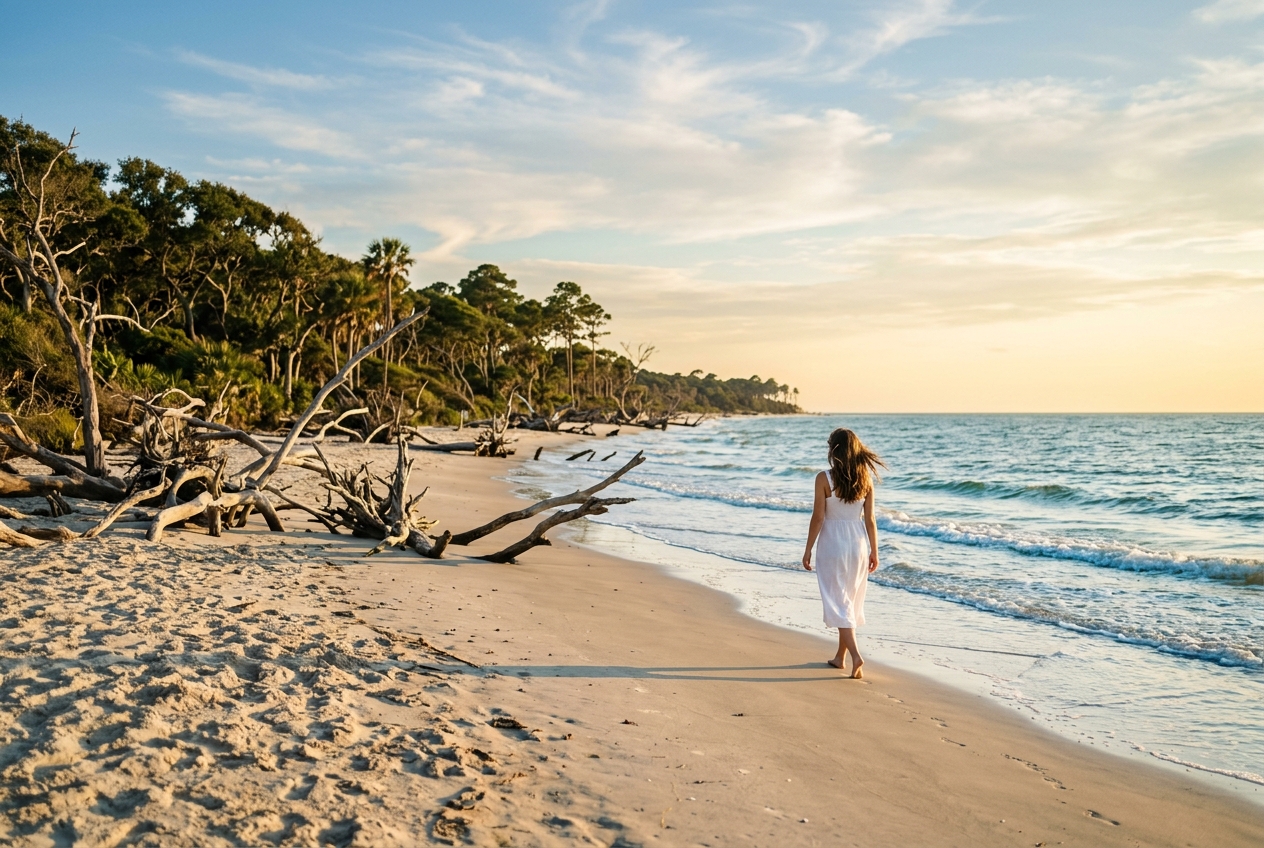
Georgia’s coastline is short but mighty. With only about 100 miles of shore along the Black Sea, the country packs an extraordinary range of beach experiences into a compact stretch: from the buzzing promenade of Batumi to wild, nearly empty coves backed by the Caucasus foothills. The country’s tourism sector has been surging, with Georgia welcoming 174.2 million visitors who spent $45.2 billion in 2024, and a significant share of that traffic heads straight for the coast during summer months. Whether you’re after nightlife, family-friendly swimming, or a quiet patch of pebbles with mountain views, the best beaches in Georgia cover a surprisingly wide spectrum. This guide breaks down each destination honestly, from the ones worth building a trip around to the ones better suited as a quick detour. I’ve spent multiple summers along this coast, and the difference between picking the right beach and the wrong one can make or break your Georgian seaside experience.
The Golden Isles: Georgia’s Premier Coastal Gems
Georgia’s Black Sea coast is anchored by a handful of resort towns and stretches of undeveloped shoreline that together form the country’s beach heartland. The main hub is Batumi, the capital of the Adjara region, but the real variety comes from venturing beyond the city limits. Think of this stretch as Georgia’s Riviera: a mix of modern resort infrastructure, Soviet-era charm, and genuinely wild coastline within a few hours’ drive.
The coast runs roughly from Sarpi on the Turkish border north to Anaklia near Abkhazia. Water temperatures peak around 26-27°C in August, making July through September the prime swimming window. The beaches shift character as you move along the coast: Batumi’s waterfront is urban and developed, while places like Gonio, Kvariati, and Ureki offer distinctly different vibes.
St. Simons Island: Family-Friendly Fun at East Beach
Batumi’s central beach is the most accessible and lively option on Georgia’s coast. Stretching several kilometers along the city’s modern boulevard, this pebble beach is backed by palm trees, cafes, sculptures, and a promenade that fills with families, street performers, and couples every evening from May through October.
The swimming here is decent but not spectacular. The water can get murky near the port, so locals recommend heading to the southern end of the beach near the botanical garden for cleaner conditions. Free public showers and changing cabins dot the shoreline, and you can rent sun loungers for roughly 5-10 GEL per day. The real draw is convenience: you’re steps from restaurants, the cable car to Argo viewpoint, and Batumi’s famous dancing fountains.
For families with small children, the gentle slope into the water is a plus, though the pebbles can be tough on little feet. Water shoes are practically mandatory here, and you’ll see vendors selling them everywhere for a few lari.
Jekyll Island: Driftwood Beach and Historic Charm
About 15 kilometers south of Batumi, Gonio and neighboring Kvariati offer what many consider the best swimming on Georgia’s coast. The water here is noticeably clearer than in Batumi, and the beaches, while still pebbly, feel less crowded even in peak season.
Gonio is known for its ancient Roman-era fortress, which sits just a short walk from the shore. The combination of history and beach time makes this spot particularly rewarding. Kvariati, tucked into a small bay with cliffs on either side, has a more intimate feel and is popular with snorkelers and divers. A handful of guesthouses and small hotels line the road above the beach, and prices run 30-50% lower than central Batumi.
The Driftwood Beach comparison might seem odd for a Georgian destination, but Kvariati’s rocky outcrops and weathered coastal formations create a similarly photogenic backdrop. Georgia’s tourism industry generated $4.6 billion in revenue in 2025, a 4.9% increase over the previous year, and destinations like Gonio-Kvariati are a big reason why: they offer genuine beauty without the resort markup.
Sea Island: Exclusive Luxury and Private Shores
Sarpi sits right on the Turkish border and has a reputation as one of the most beautiful beach spots in the country. The cliffs drop dramatically to a narrow strip of pebbles, and the water is the clearest you’ll find along Georgia’s coast. It’s a small beach, so it fills up fast on weekends, but midweek visits reward you with near-solitude and stunning views.
The border crossing is visible from the beach, which gives the place a unique atmosphere. Some travelers combine a morning swim at Sarpi with an afternoon trip across the border to Kemalpaşa for Turkish coffee and shopping. The beach itself has minimal infrastructure: a couple of cafes, some rental loungers, and not much else. That’s part of its appeal.
Tybee Island: Savannah’s Vibrant Beach Escape
Ureki, about 50 kilometers north of Batumi, is famous for something no other Georgian beach can claim: magnetic black sand. The sand here contains magnetite, and locals have long believed it has therapeutic properties for joint pain and cardiovascular conditions. Whether the health claims hold up to scientific scrutiny is debatable, but the beach itself is genuinely unique.
The sand is dark, fine, and warm underfoot, a stark contrast to the pebble beaches further south. Families with children particularly love Ureki because the sandy bottom and gentle waves make it the most kid-friendly swimming spot on the coast. The town is less polished than Batumi, with a more Soviet-resort feel: simple guesthouses, outdoor grills, and a relaxed pace.
South Beach: The Social Hub and Pier
Ureki’s main stretch runs about two kilometers and gets packed from mid-July through August. Georgian families from Tbilisi descend in large numbers, and the atmosphere is festive and loud: music from competing beach bars, kids running everywhere, vendors selling churchkhela and cold beer.
If you want a lounger and umbrella, arrive before 10 AM or you’ll be out of luck. Prices are reasonable at 5-8 GEL for a full day. The water is shallow for a long way out, which is great for kids but can frustrate stronger swimmers looking for depth. Several beachfront restaurants serve excellent fried fish and lobiani, and the sunset views over the water are genuinely beautiful.
North Beach: History and the Tybee Island Lighthouse
The northern end of Ureki bleeds into the village of Shekvetili, where the beach is quieter and the sand just as magnetic. Shekvetili has gained attention in recent years thanks to the Paragraph Resort, a high-end complex with a private beach section, but the public areas remain accessible and uncrowded.
A short walk inland brings you to Shekvetili Dendrological Park, a peaceful green space worth an hour of exploration. The combination of beach and parkland makes this area ideal for travelers who want sand and nature without the full resort-town experience. Guesthouses in Shekvetili run 40-80 GEL per night in summer, making it one of the better value propositions on the coast.
Wild and Secluded Barrier Island Retreats
Georgia’s coastline isn’t all developed resort towns. Some of the most memorable beach experiences come from spots that require a bit more effort to reach, whether that means a boat ride, a hike, or simply a willingness to skip the tourist trail.
Cumberland Island National Seashore: Wild Horses and Ruins
Anaklia, near the de facto border with Abkhazia, was once earmarked as a major port and resort development. Political complications stalled those plans, but what remains is a long, wide sandy beach on the Enguri River delta that feels genuinely remote.
The beach here is sandy rather than pebbly, and the swimming is good, though currents can be strong near the river mouth. A modern pedestrian bridge spans the river, connecting Anaklia to the village of Ganmukhuri. The infrastructure is minimal: a few guesthouses, a seasonal cafe or two, and not much else. That emptiness is the draw. You can walk for a kilometer along the shore and see almost no one, which is rare on the Georgian coast in summer.
Getting here requires a marshrutka from Zugdidi (about 30 minutes) or a car. The journey from Batumi takes roughly three hours, making it a viable day trip or overnight excursion.
Little St. Simons Island: An Untouched Natural Sanctuary
Kobuleti, between Batumi and Ureki, stretches for nearly 10 kilometers along the coast, making it one of the longest continuous beaches in Georgia. The northern sections are particularly quiet, with pine forests running right up to the sand.
This is a good pick for travelers who want a beach town with some life but less intensity than Batumi. Kobuleti has a small but functional town center with restaurants, pharmacies, and ATMs. The beach is a mix of sand and fine pebbles, and the water quality is generally good. Accommodation ranges from budget guesthouses at 30 GEL per night to mid-range hotels around 100-150 GEL. Coastal counties in Georgia averaged over 63% occupancy in 2024 with an average daily rate surpassing $155, and Kobuleti represents the more affordable end of that spectrum.
Sapelo Island: Gullah-Geechee Culture and Nanny Goat Beach
Chakvi and Tsikhisdziri, two small settlements between Batumi and Kobuleti, are hidden gems that most international visitors miss entirely. Chakvi is historically famous as the site of Georgia’s tea plantations, and the hillside tea fields rolling down toward the sea create a landscape unlike anything else on the coast.
Tsikhisdziri has the ruins of the ancient fortress of Petra perched on cliffs above a small, secluded beach. The swimming access is a bit tricky (steep paths down the hillside), but the reward is a cove that feels private and wild. These spots work best as half-day excursions from Batumi rather than standalone destinations, but they add real texture to a coastal itinerary.
Inland Alternatives: Georgia’s Best Lake Beaches
Not all of Georgia’s best swimming happens at the sea. The country’s mountainous interior offers lake beaches that provide a completely different experience: cooler temperatures, freshwater, and mountain scenery.
Robin Lake Beach at Callaway Gardens
Shaori Reservoir in the Racha region, about five hours from Batumi, sits at an elevation of roughly 1,100 meters. The water is cold even in summer, but the setting is spectacular: forested hills, grazing cows, and almost no tourists. There’s no formal beach infrastructure, but locals swim from grassy banks and rocky outcrops.
Bazaleti Lake, closer to Tbilisi (about an hour’s drive), has a more developed beach area with restaurants and rental equipment. The lake is warm enough for comfortable swimming from June through September, and it’s a popular weekend escape for Tbilisi residents. Both locations offer a refreshing contrast to the humidity of the coast.
Lake Lanier: Margaritaville and Water Park Fun
Tbilisi Sea, technically the Tbilisi Reservoir, sits on the eastern edge of the capital and has several beach areas that fill up on hot summer days. The water quality varies, so stick to the better-maintained sections near the restaurants and clubs on the northern shore.
For something more adventurous, Kvareli Lake in the Kakheti wine region combines swimming with wine-tasting day trips. The lake is small but clean, and you can pair a morning swim with an afternoon visiting the cellars and vineyards that make Kakheti famous. It’s a uniquely Georgian way to spend a summer day.
Planning Your Georgia Coast Itinerary
| Beach | Type | Best For | Distance from Batumi | Peak Season |
|---|---|---|---|---|
| Batumi Central | Pebble | Nightlife, dining, convenience | 0 km | June-September |
| Gonio/Kvariati | Pebble | Clear water, snorkeling | 15 km | June-September |
| Sarpi | Pebble | Scenery, solitude | 20 km | June-September |
| Ureki | Magnetic sand | Families, kids | 50 km | July-August |
| Kobuleti | Sand/pebble | Budget travelers, long walks | 25 km | June-September |
| Anaklia | Sand | Seclusion, adventure | 180 km | July-August |
Best Times to Visit for Weather and Wildlife
The sweet spot for Georgia’s coast is late June through mid-September. July and August are the hottest months, with air temperatures regularly hitting 33-35°C and water temperatures around 25-27°C. June and September are slightly cooler and significantly less crowded, making them ideal for travelers who prefer space over peak heat.
Spring (April-May) brings pleasant temperatures but the water is still too cold for most swimmers, hovering around 16-18°C. October can surprise you with warm days, but the season is effectively over by mid-month. Dolphin sightings are most common in late spring and early fall, particularly near Batumi and Sarpi. Migratory birds pass through the Kolkheti wetlands near Ureki from September through November, making that area interesting for birdwatchers even outside beach season.
Essential Gear for Georgia’s Humidity and Sand Gnats
Georgia’s coast is subtropical, which means humidity levels regularly exceed 80% in summer. Pack lightweight, breathable clothing and expect to sweat. A few essentials that will make your trip significantly more comfortable:
- Water shoes: non-negotiable for pebble beaches, which make up most of the coast
- Strong SPF 50 sunscreen: the sun reflects off the water and the pebbles, doubling your exposure
- Insect repellent: mosquitoes are active near the wetlands around Ureki and Kobuleti, especially at dusk
- A reusable water bottle: stay hydrated, and refill at the many public springs
- A light rain jacket: afternoon thunderstorms roll through quickly in July and August
Download offline maps on Google Maps or Maps.me before heading to more remote spots like Anaklia or Tsikhisdziri, where mobile data can be spotty. The Bolt app works well for taxis in Batumi and Kobuleti but is unreliable in smaller towns, so be prepared to negotiate with local drivers.
Georgia’s Black Sea coast doesn’t get the attention it deserves compared to Turkey or Greece, but that’s precisely what makes it special right now. Prices remain low, crowds are manageable outside of August weekends, and the mix of beach styles means there’s something for every type of traveler. The best beaches in Georgia reward those who look beyond the obvious and explore the full stretch of coast. Whether you spend a week hopping between Sarpi, Ureki, and Anaklia, or simply plant yourself in Batumi and take day trips, you’ll find a coastline that punches well above its weight. Start planning for June or September if you can: you’ll get the best weather with a fraction of the crowds.