
Table of Contents
- Top Mountain Towns for Every Type of Traveler
- Outdoor Adventure and Natural Wonders
- Comparing the Best Georgia Mountain Destinations
- Unique Lodging and Mountain Retreats
- Seasonal Events and Best Times to Visit
- Planning Your North Georgia Itinerary
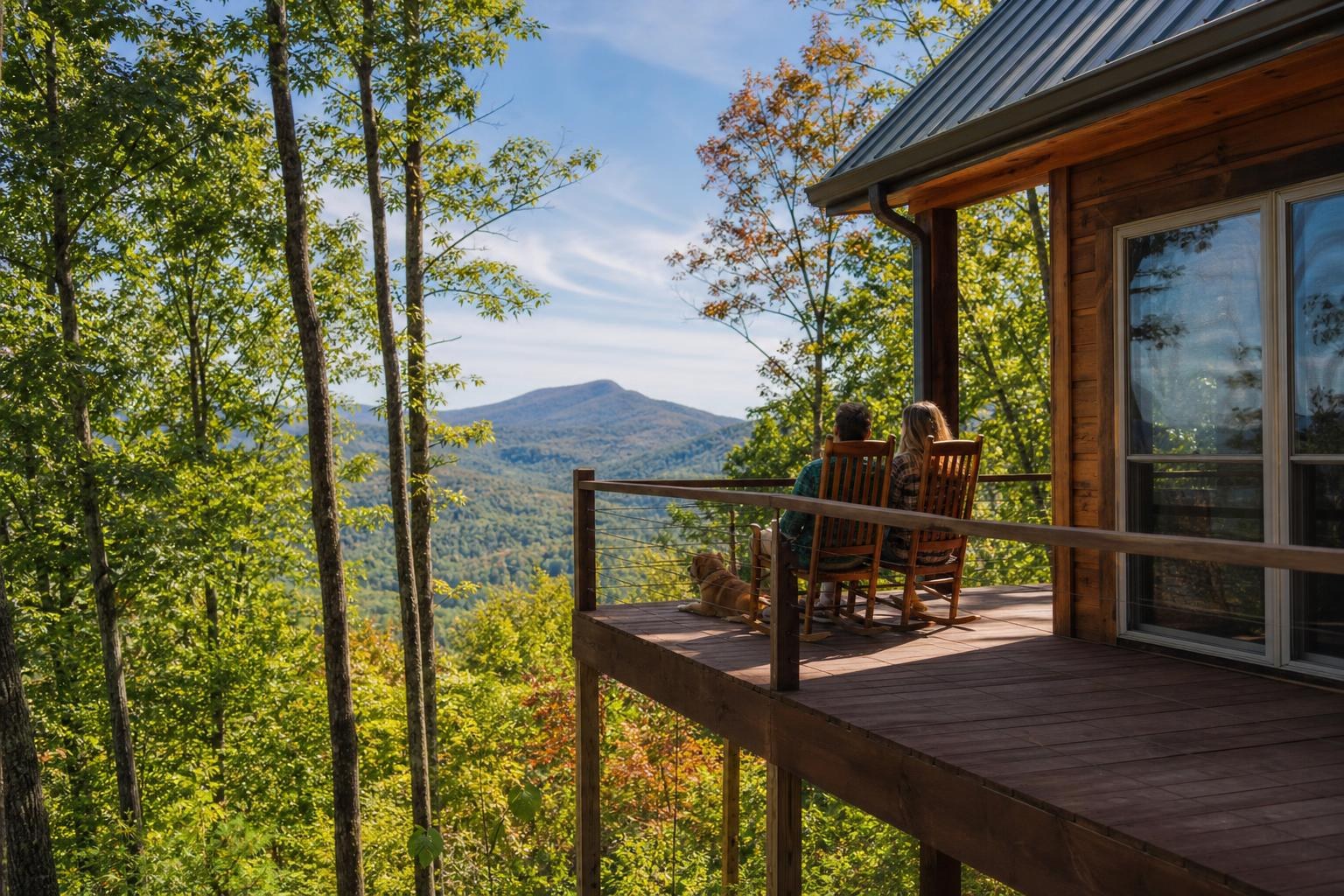
North Georgia’s mountain region sits roughly 90 minutes north of Atlanta, but it feels like a different world entirely. Mist-wrapped ridges, small towns with actual personality, and enough outdoor recreation to fill a dozen weekends: this is the part of the state most people picture when they hear “mountain getaway.” I’ve spent years exploring these towns and trails, and the honest truth is that every visit reveals something I missed before. Whether you’re chasing waterfalls, wine, or just a porch with a view, the mountains of Georgia deliver in ways that bigger, more famous destinations often don’t. The region stretches across several counties, each with its own character, and the trick is knowing which town matches what you’re actually looking for. A romantic weekend in Blue Ridge feels nothing like a hiking trip through Tallulah Gorge, and that’s exactly the point. This isn’t a one-size-fits-all destination. It’s a collection of distinct experiences connected by winding two-lane roads and some of the most beautiful scenery in the southeastern United States.
Top Mountain Towns for Every Type of Traveler
The mountain towns of north Georgia each attract a different crowd, and picking the right one makes the difference between a good trip and a great one. Some visitors want craft cocktails and gallery walks. Others want gold-panning history and vineyard tours. A few just want to hear a river and nothing else. Here’s how the three most popular towns break down.
Blue Ridge: The Luxury and Arts Hub
Blue Ridge has transformed over the past decade from a quiet railroad town into one of the most sought-after mountain destinations in the Southeast. The downtown strip along Main Street is packed with independent galleries, wine-tasting rooms, and restaurants that would hold their own in any mid-size city. You can still ride the Blue Ridge Scenic Railway along the Toccoa River, a four-hour round trip that remains one of the best ways to see fall foliage without breaking a sweat.
What sets Blue Ridge apart is the balance between polish and authenticity. This isn’t a manufactured resort town. The arts scene is real, driven by local makers and transplants who moved here specifically to create. The food has gotten genuinely good, with farm-to-table spots sourcing from nearby farms. And the town has made a serious commitment to conservation, protecting the surrounding forests and waterways that make the whole area worth visiting in the first place.
Cabin rentals dominate the lodging market here, and most sit on ridgelines with long-range views. Expect to pay $200-$400 per night for a well-appointed two-bedroom cabin during peak season (October weekends book months in advance). If you’re the type who wants a hot tub, a fireplace, and a short drive to a great dinner, Blue Ridge is your town.
Helen: A Bavarian Escape in the Appalachians
Helen is polarizing, and I get it. A Bavarian-themed village in the Appalachian foothills sounds like a tourist trap, and parts of it lean that way. But there’s a reason this tiny town draws over a million visitors annually. The Chattahoochee River runs right through the center, and tubing season (roughly May through September) turns the whole place into a lazy, sun-soaked float trip.
Beyond the alpine facades, Helen works as a base camp for some excellent outdoor activities. Anna Ruby Falls is a 15-minute drive away, and the Unicoi State Park trail system offers everything from easy lakeside walks to legitimate ridge climbs. The town itself has a storybook quality that rewards a slow day of wandering, especially if you hit the fudge shops and the small German-style bakeries tucked between the souvenir stores.
Helen is also one of the most affordable mountain towns in the region. A night in a basic hotel runs $120-$180, and tubing costs about $10 per person. For families with kids under 12, it’s hard to beat the combination of price, accessibility, and sheer fun.
Dahlonega: History and Wine Country
Dahlonega was the site of America’s first major gold rush in 1828, and the town square still feels like a place where something important happened. The Gold Museum sits in the old courthouse, and the surrounding streets are lined with tasting rooms, bookshops, and restaurants that cater to a slightly older, more wine-curious crowd than you’ll find in Helen.
The wine scene here is the real draw. The Dahlonega Plateau sits at an elevation and latitude that produces surprisingly good Cabernet Franc, Petit Manseng, and other varieties that thrive in the region’s clay soils. Georgia’s wine industry has been growing steadily: the total value added by state wineries hit a record $73 million in 2023, a 23% jump that reflects both quality improvements and rising consumer interest. Wineries like Three Sisters, Kaya, and Montaluce offer tastings with mountain views that rival anything in Virginia wine country.
A weekend in Dahlonega works best when you split your time between the square and the vineyards. Saturday morning at the farmers’ market, afternoon wine tasting, dinner at a spot like Shenanigans or The Crimson Moon. It’s a slower pace than Blue Ridge, and that’s the appeal.
Outdoor Adventure and Natural Wonders
The mountains here aren’t the Rockies. They won’t tower over you. But the southern Appalachians are some of the most biodiverse terrain in North America, and the trail systems, gorges, and waterfalls packed into this region are genuinely world-class.
Hiking the Appalachian Trail and Tallulah Gorge
The Appalachian Trail’s southern terminus sits at Springer Mountain, about 20 miles north of Dahlonega. You don’t need to be a thru-hiker to enjoy it. The 8.5-mile approach trail from Amicalola Falls State Park to Springer is one of the best day hikes in the state, with a 600-foot waterfall as your starting point and a bronze plaque marking the AT’s beginning as your reward.
Tallulah Gorge, about an hour east of Blue Ridge, is a different kind of experience. The gorge drops nearly 1,000 feet over two miles, and the suspension bridge crossing at the 80-foot mark is not for anyone uncomfortable with heights. A permit system limits the number of hikers who can descend to the gorge floor each day (100 permits, first-come basis), so arrive early on weekends. The swimming hole at the bottom, Bridal Veil Falls, makes the steep descent worth every step.
For something less strenuous, the Benton MacKaye Trail offers well-maintained sections through the Cohutta Wilderness that see a fraction of the AT’s foot traffic. Solitude is easy to find here if you’re willing to drive an extra 30 minutes.
Waterfalls and Scenic Overlooks
North Georgia has an almost absurd density of waterfalls. Within a two-hour radius of Blue Ridge, you can visit Amicalola Falls (the tallest cascading waterfall east of the Mississippi at 729 feet), Toccoa Falls (a 186-foot free-fall drop on a private college campus), and dozens of smaller cascades tucked into state parks and national forest land.
Brasstown Bald, the highest point in the state at 4,784 feet, offers 360-degree views that extend into four states on clear days. The half-mile paved trail from the parking lot to the summit is steep but short, and there’s a shuttle for anyone who’d rather ride. Sunset from the observation deck in October is one of those experiences that sounds overhyped until you’re standing there watching the light change across a hundred miles of ridgeline.
Comparing the Best Georgia Mountain Destinations
Choosing between these towns depends on what kind of trip you’re planning. Here’s a side-by-side breakdown to help you decide.
Data Table: Amenities, Distance, and Activity Levels
| Destination | Distance from Atlanta | Best For | Activity Level | Avg. Cabin Cost (Peak) | Dining Options | Kid-Friendly |
|---|---|---|---|---|---|---|
| Blue Ridge | 95 miles / 1 hr 45 min | Arts, dining, luxury cabins | Moderate | $250-$400/night | Excellent | Moderate |
| Helen | 85 miles / 1 hr 30 min | Tubing, family fun, budget trips | Easy to Moderate | $120-$250/night | Good | Excellent |
| Dahlonega | 65 miles / 1 hr 15 min | Wine, history, couples | Easy | $150-$300/night | Very Good | Moderate |
| Tallulah Gorge | 100 miles / 2 hrs | Serious hiking, photography | Strenuous | Limited lodging nearby | Limited | Older teens+ |
| Brasstown Bald | 100 miles / 2 hrs | Scenic views, short hikes | Easy to Moderate | No lodging on-site | None on-site | Yes |
Blue Ridge and Dahlonega both work well for couples and small groups who want a mix of outdoor time and town life. Helen is the clear winner for families on a budget. Tallulah Gorge and Brasstown Bald are best treated as day-trip destinations from one of the three towns rather than standalone overnight spots.
Unique Lodging and Mountain Retreats
Where you sleep shapes the whole trip. The Georgia mountains have moved well beyond the standard hotel-or-cabin binary, and the lodging options now range from off-grid A-frames to full-service spa resorts.
Rustic Cabins and Luxury Treehouses
The classic north Georgia cabin rental is a log structure on a wooded ridge with a hot tub, a fire pit, and a porch that faces west for sunset views. Companies like Southern Comfort Cabin Rentals and Blue Ridge Cabin Rentals manage hundreds of properties across the area, and the quality has improved dramatically over the past five years. Most now come with modern kitchens, fast Wi-Fi, and gas fireplaces that actually work.
The treehouse trend has taken hold here too. Properties near Blue Ridge and Ellijay offer elevated structures 15-30 feet off the ground, complete with king beds, rain showers, and wraparound decks. These book fast and run $300-$500 per night, but the experience is genuinely different from a standard cabin stay. Waking up at canopy level with nothing but birdsong and fog is the kind of thing that stays with you.
For a more stripped-down experience, several outfitters near the Cohutta Wilderness rent primitive cabins with no electricity or running water. These are best suited for hikers and anglers who want immersion rather than comfort.
Full-Service Resorts and Spas
If you’d rather not cook your own meals or build your own fire, a handful of resorts in the area handle everything. Barnsley Resort in Adairsville (technically foothills, but close enough) offers a 3,300-acre estate with golf, horseback riding, sporting clays, and a spa. It’s the most polished option in the region and prices reflect that: expect $400-$700 per night depending on the season and room type.
Closer to the mountains proper, Unicoi State Park Lodge near Helen provides a more affordable resort-style experience with a lake, zip-line course, and barrel-making classes. Rooms run $150-$250 per night, and the park’s trail system starts right outside the lodge door. For spa-focused trips, several boutique properties near Dahlonega and Blue Ridge offer couples’ packages that pair massage treatments with wine tastings or private waterfall hikes.
Seasonal Events and Best Times to Visit
Timing matters more than most people realize. The Georgia mountains are a year-round destination, but each season delivers a fundamentally different experience.
Fall is the headliner. Leaf season typically peaks between mid-October and early November, and the combination of elevation changes and tree diversity (oaks, maples, hickories, sourwoods) produces color that rivals New England without the New England prices. October weekends in Blue Ridge and Dahlonega book up two to three months in advance, so plan accordingly.
Spring (late March through May) is the locals’ favorite. Wildflowers carpet the forest floor, waterfalls run at full volume from spring rains, and the trails are uncrowded. Temperatures sit in the 60s and 70s during the day, dropping into the 40s at night: perfect sleeping weather with the windows cracked.
Summer brings tubing season, festivals, and longer daylight hours for hiking. Helen’s Oktoberfest actually starts in September and runs through late October, making it one of the longest-running Oktoberfest celebrations in the country. Dahlonega hosts a well-attended Gold Rush Days festival each October, and Blue Ridge runs a series of live music events through the summer months.
Winter is the quiet season, and that’s its charm. Occasional snowfall dusts the higher elevations, cabin rates drop 30-40% from peak pricing, and you can hike popular trails in near-solitude. Brasstown Bald sometimes closes its access road after heavy snow, but most of the region stays accessible year-round.
Planning Your North Georgia Itinerary
The best approach for a first trip is to pick one town as your base and plan day trips from there. Trying to hit Blue Ridge, Helen, and Dahlonega in a single weekend means spending most of your time in a car on winding mountain roads, which defeats the purpose.
For a three-day weekend, here’s a framework that works well. Arrive Friday afternoon and settle into your cabin or lodge. Saturday morning, hit a trail or waterfall before the crowds build (start by 8 a.m. for popular spots like Amicalola or Anna Ruby Falls). Spend Saturday afternoon in town: galleries and wine in Blue Ridge or Dahlonega, tubing or shops in Helen. Sunday, take a scenic drive along the Richard Russell Scenic Highway or visit Brasstown Bald before heading home.
A few practical tips that save headaches: gas up before you leave the highway, because mountain gas stations are sparse and close early. Cell service is spotty to nonexistent in the national forest areas, so download offline maps before you go. Restaurant reservations on Saturday nights in Blue Ridge are essential from September through November: walk-in waits can stretch past an hour.
Budget roughly $600-$1,200 for a couple’s weekend depending on your lodging choice and dining habits. A family of four can do Helen for under $800 if you cook some meals in your rental and stick to free or low-cost activities like hiking and tubing.
The Georgia mountains reward repeat visits. Each season changes the landscape enough that the same trail feels new in April and October. Pick the town that matches your mood, book a place with a good porch, and give yourself permission to do less than you planned. The best moments up here tend to happen when you stop trying to check boxes and just sit with the view for a while.