
Table of Contents
- Mandarinoba and the Golden Harvest: Why November is Adjara’s Best Kept Secret
- Celebrating Mandarinoba in Tsikhisdziri: The 2026 Tangerine Festival
- Batumi Weather in November: Packing for the Subtropical Autumn
- Self-Drive Itinerary: Exploring Citrus Orchards and Coastal Fortresses
- Venturing Inland: Mtirala National Park and Mountainous Adjara
- Seasonal Flavors: What to Eat and Drink in Batumi During Harvest
- Essential Driving Tips for Late Autumn in Western Georgia
- Frequently Asked Questions About Visiting Adjara in November
November in Batumi is the month the entire Adjara coastline turns orange. While most tourists have packed up and headed home by October, the region’s tangerine harvest kicks into full gear, transforming hillside orchards, roadside stalls, and local kitchens. If you’re planning to visit Batumi in November, you’ll find a city that feels genuinely local again: quieter boulevards, lower hotel prices, and the sweet, sharp scent of citrus hanging in the damp coastal air. The annual Mandarinoba festival anchors the season, but the real draw is the freedom to explore Adjara’s coast and mountains without fighting for parking or competing with tour buses. For self-drive travelers, this is one of the most rewarding windows on the Georgian calendar.
Mandarinoba and the Golden Harvest: Why November is Adjara’s Best Kept Secret
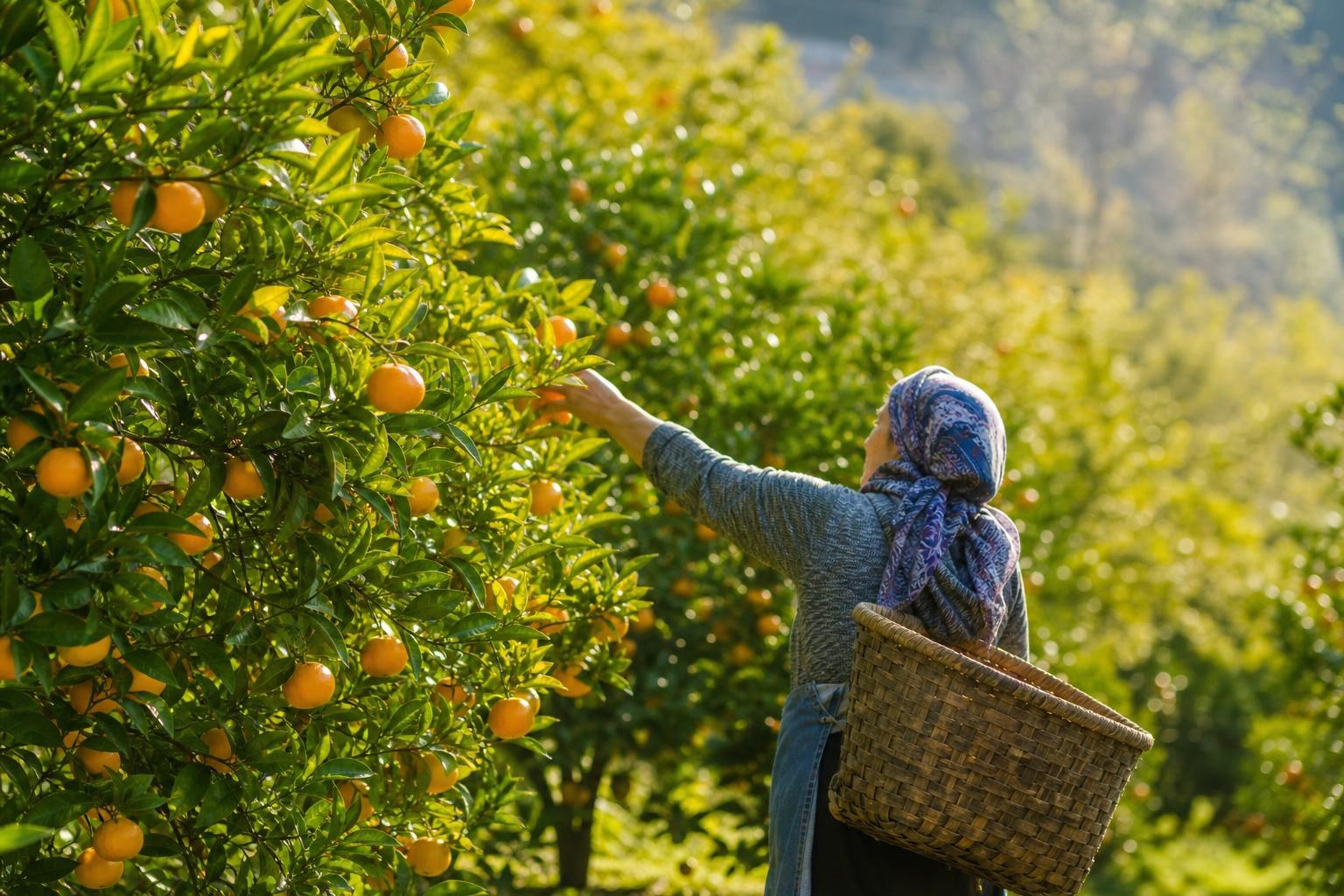
Adjara’s relationship with tangerines runs deeper than most visitors realize. The region produces roughly 73% of Georgia’s total tangerine output, and the harvest season, running from late October through December, defines the local economy and rhythm of daily life. Entire families head into the orchards in November, hand-picking fruit that ends up in markets from Tbilisi to Almaty.
The word “Mandarinoba” translates loosely as “tangerine celebration,” and it’s become shorthand for the entire harvest period. Villages along the coast between Batumi and Kobuleti pile crates of mandarins at their gates. You’ll see pickup trucks loaded with orange cargo rumbling down the highway, and kids selling bags of fresh-picked fruit for a couple of lari.
For Georgia’s agricultural sector, the stakes are real. In 2025, the government allocated 2.6 million GEL to subsidize industrial-grade citrus in Adjara, a sign of how seriously the region takes its signature crop. Primary export destinations during the 2024/2025 season included Armenia, Ukraine, Kazakhstan, and Kyrgyzstan, and the Port of Poti has grown as a logistics hub for getting those mandarins to market.
But for travelers, the harvest means something simpler: the chance to wander through working orchards, taste fruit straight from the tree, and participate in a festival that hasn’t been polished for tourists. November in Adjara feels like a secret the region keeps from the rest of the year.
Celebrating Mandarinoba in Tsikhisdziri: The 2026 Tangerine Festival
The 2026 Mandarinoba festival is the centerpiece of November’s calendar in Adjara. It’s a single-day celebration that brings together farmers, chefs, musicians, and a lot of tangerines in one of the most scenic spots on the Black Sea coast.
Festival Highlights and Local Traditions (November 21, 2026 – TBC)
The 2026 edition is tentatively scheduled for Saturday, November 21, at the Castello Mare Hotel & Wellness Resort in Tsikhisdziri. Previous years saw the festival held on November 22 in 2025 and across November 16-17 in 2024, so the mid-to-late November window is consistent. Confirm the exact date closer to your trip, as it can shift.
Expect the following at the festival:
- Tangerine-themed cooking demonstrations, including jams, churchkhela made with citrus, and mandarin-infused desserts
- Local farmers displaying heirloom citrus varieties you won’t find in supermarkets
- Live folk music and traditional Adjarian dance performances
- Chacha tastings (the local grape spirit, sometimes infused with citrus peel)
- A market selling fresh fruit, honey, and handmade preserves
Important: If you plan to sample chacha or local wine at the festival, do not drive afterward. Arrange a taxi back to Batumi, designate a sober driver, or book a room nearby. Georgian police conduct random breathalyzer checks, and the legal blood alcohol limit is strict.
The atmosphere is warm and unhurried. Locals genuinely enjoy showing off their harvest, and conversations happen easily even across language barriers. Download a Georgian offline pack on Google Translate before you go.
Getting There by Car: The Drive from Batumi to Tsikhisdziri
| Detail | Info |
|---|---|
| Starting point | Batumi city center |
| Distance | ~22 km north along the E70 highway |
| Drive time | 25-35 minutes (depending on traffic) |
| Road condition | Paved two-lane highway, good condition |
| 4×4 needed? | No |
| Parking | Limited at the venue; arrive early or park along the road |
The drive follows the coast, passing through Makhinjauri and Chakvi before reaching Tsikhisdziri. The road is straightforward, but November rain can reduce visibility, so keep your headlights on and allow extra stopping distance.
Batumi Weather in November: Packing for the Subtropical Autumn
Batumi sits in a subtropical climate zone, which means November is wet. There’s no way around it. Average temperatures hover between 8°C and 16°C, and rainfall is among the highest of any month, often exceeding 200mm. Some days are mild and overcast; others bring heavy downpours that last hours.
That said, the rain tends to come in bursts rather than all-day drizzle. You’ll get windows of sunshine, especially in the mornings, and the mild temperatures make outdoor exploration comfortable if you’re dressed for it.
Pack these essentials:
- A waterproof shell jacket (not just water-resistant: you need proper waterproofing)
- Waterproof hiking shoes or boots with good grip
- Layers: a fleece or light down jacket for cooler mountain excursions
- An umbrella (compact, windproof)
- Quick-dry clothing rather than cotton
Tip: Batumi’s November weather is similar to the Pacific Northwest or coastal Portugal in winter. If you’ve traveled in those conditions, you know the drill. The upside is that the subtropical greenery stays lush and the air smells incredible after rain.
The sea temperature drops to around 17-18°C, which is too cold for most swimmers but fine for a dramatic walk along the beach. Fog can roll in along the coast during early mornings, so plan mountain drives for later in the day when visibility improves.
Self-Drive Itinerary: Exploring Citrus Orchards and Coastal Fortresses
A rental car opens up the best of November in Adjara. The coast between Batumi and Kobuleti is lined with tangerine orchards, many of which welcome visitors during harvest season. There’s no formal “citrus trail,” but you don’t need one: just drive north on the E70 and stop wherever you see orange trees heavy with fruit behind stone walls.
The villages of Chakvi and Tsikhisdziri are particularly good for orchard walks. Pull over, ask politely, and most families will let you pick a few tangerines and chat about the season. Bring a bag and some small bills: they’ll often insist on selling you a kilogram or two.
Between orchard stops, the coastal road passes several points worth a pause: the botanical garden at Mtsvane Kontskhi (Green Cape), the old tea plantations near Chakvi, and a handful of quiet pebble beaches where you can stretch your legs.
Gonio-Apsaros Fortress: History Without the Summer Crowds
Gonio Fortress sits 12 km south of Batumi, right off the main highway toward the Turkish border. This Roman-era fortification dates back to the 1st century AD and is one of the oldest in Georgia. In summer, tour buses clog the parking area. In November, you might have the place nearly to yourself.
The fortress walls are remarkably intact, enclosing a large rectangular area with remnants of Roman baths, a basilica, and a small museum displaying archaeological finds. The site is associated with the legend of Jason and the Argonauts: local tradition holds that the Golden Fleece was kept here.
| Detail | Info |
|---|---|
| Distance from Batumi | 12 km south on the E70 |
| Drive time | 15-20 minutes |
| Entrance fee | 15 GEL for foreign citizens (2026, verify locally) |
| Opening hours | Typically 10:00-18:00, may vary in off-season |
| Parking | Free lot at the entrance |
Note: Off-season hours can be inconsistent. If you’re making a special trip, call ahead or check with your hotel. The fortress is worth combining with a drive along the Chorokhi River valley toward the border, where the landscape shifts from subtropical to semi-arid within just a few kilometers.
Venturing Inland: Mtirala National Park and Mountainous Adjara
The coast is only half the story. Inland Adjara rises steeply into forested mountains that receive some of the highest rainfall in the entire Caucasus. November is the tail end of the hiking season here, and while conditions are wetter, the forests are spectacular: mossy, green, and almost tropical in their density.
Driving to Mtirala: Road Conditions and 4×4 Recommendations
Mtirala National Park lies about 30 km east of Batumi. The name means “the crying one,” a reference to the near-constant moisture that clings to its slopes. To reach the park entrance at Chakvistavi, you’ll drive through the village of the same name on a road that starts paved but deteriorates into gravel and mud for the final stretch.
A 4×4 is strongly recommended for the last 5-7 km, especially in November when rain turns the unpaved sections slippery. If you’re in a standard rental car, park at the lower village and hike or arrange a local transfer. The park itself offers marked trails of varying length, from short loops to full-day hikes through old-growth forest.
Bring rain gear, snacks, and water. There are no shops or cafés inside the park. The visitor center at the entrance can provide trail maps and current condition updates.
Traditional Adjarian Villages: Machakhela Valley and Keda
For a deeper look at mountain Adjara, drive east toward Keda (about 50 km from Batumi, roughly 1.5 hours). The road follows the Adjaris-Tskhali river valley and passes through villages where wooden houses with carved balconies cling to steep hillsides. Keda is a good base for exploring the Machakhela Valley, a protected landscape known for its biodiversity and traditional architecture.
The Machakhela road branches south from Keda and winds through dense forest. The valley is home to arched stone bridges, watermills, and a small ethnographic museum. Road quality varies: the main road to Keda is paved and manageable in any car, but the Machakhela branch road requires a higher-clearance vehicle after the first few kilometers.
These villages are where you’ll encounter Adjarian hospitality at its most genuine. Don’t be surprised if a roadside conversation turns into an invitation for coffee, khachapuri, or a glass of homemade wine. The Georgian saying “stumari ghvtisaa” (a guest is from God) is taken literally in these parts.
Seasonal Flavors: What to Eat and Drink in Batumi During Harvest
November dining in Batumi revolves around what’s fresh, and in November, that means citrus, persimmons, feijoa, pomegranates, and the last of the autumn vegetables. The city’s restaurants shift their menus accordingly, and the Batumi market (the old bazaar near the port) overflows with seasonal produce.
Dishes and flavors to seek out:
- Adjarian khachapuri: the boat-shaped bread filled with cheese, butter, and a raw egg, available everywhere but best at family-run spots away from the boulevard
- Borano: a rich, cheesy Adjarian dish made with butter and fresh cheese, served sizzling
- Fresh tangerines and mandarin juice: vendors squeeze it on the spot at the market for about 2-3 GEL per glass
- Churchkhela made with walnuts and grape or sometimes mandarin juice: a harvest-season specialty
- Imeruli khachapuri with a side of pkhali (walnut-herb paste) using seasonal greens
The fish restaurants along the waterfront serve Black Sea anchovy (hamsa) in November, which is peak season for this small, oily fish. Fried hamsa with a squeeze of lemon and a cold beer is one of the simplest and best meals you’ll have.
For drinks, look for local Adjarian wine from small producers. The region isn’t as famous for wine as Kakheti, but family vineyards around Keda and Shuakhevi produce interesting varieties. Chacha infused with tangerine peel is a November specialty: potent, fragrant, and best enjoyed in small quantities.
Essential Driving Tips for Late Autumn in Western Georgia
Driving through Adjara in November is rewarding but demands respect for the conditions. The combination of rain, mountain roads, and shorter daylight hours means you need to adjust your approach compared to summer driving.
- Keep headlights on at all times, even during the day. Fog and low clouds reduce visibility quickly along the coast and in mountain valleys.
- Reduce speed on wet roads, especially on curves. Many secondary roads lack guardrails, and drainage can be poor.
- Check tire condition before heading into the mountains. If your rental car has worn tires, request replacements or switch vehicles. Wet gravel on steep mountain roads is no joke.
- Carry a phone charger and download offline maps (Google Maps or Maps.me both work well). Cell coverage drops in valleys like Machakhela.
- Fill up on fuel in Batumi or Kobuleti before heading inland. There are few gas stations in mountain Adjara.
Tip: If you’re renting a car for exploring Adjara, choose a vehicle with decent ground clearance. A compact SUV handles both the highway and mountain roads comfortably. Resources like Triproadwayplanner can help you plan routes and check current road conditions before you set out.
Daylight fades around 5:30 PM in late November. Plan your mountain excursions to finish before dark, and save coastal driving or city exploration for the evenings.
Frequently Asked Questions About Visiting Adjara in November
Is Batumi worth visiting in November, or is it too quiet?
Absolutely worth it. The city is quieter than summer, but restaurants, cafés, and cultural venues stay open year-round. Hotel prices drop significantly, often by 40-50% compared to July and August. The Mandarinoba festival gives you a specific reason to visit, and the lack of crowds makes exploring sites like Gonio Fortress and the botanical garden far more enjoyable.
How rainy is Batumi in November, and will it ruin my trip?
November is one of Batumi’s wettest months, with rainfall often exceeding 200mm. But the rain comes in heavy bursts rather than constant drizzle. You’ll get dry spells, especially in the mornings. Bring proper waterproof gear and plan flexibly: have indoor alternatives (the Batumi Archaeological Museum, cafés, the Piazza) ready for downpour days.
Can I visit Mtirala National Park in November?
Yes, but with caveats. Trails can be muddy and slippery, and the access road requires a 4×4 in wet conditions. The park is open, and the forest is stunning in its autumn-to-winter transition. Go with good boots, rain layers, and realistic expectations about trail conditions.
Do I need a 4×4 to explore Adjara in November?
For the coast and main highways, no. A standard car handles the E70 and the road to Keda just fine. For Mtirala’s access road, the Machakhela Valley beyond the first few kilometers, and some upper mountain villages, a 4×4 or at least a high-clearance vehicle is strongly recommended, especially after heavy rain.
When exactly is Mandarinoba 2026?
The festival is tentatively scheduled for November 21, 2026, at Tsikhisdziri. Confirm the date closer to your trip, as it has shifted by a few days in previous years. Check local tourism boards or your hotel concierge for the final confirmed date.
November in Adjara rewards travelers who don’t mind a little rain and prefer substance over spectacle. The tangerine harvest gives the entire region a sense of purpose and celebration that feels completely authentic. You’ll eat better, pay less, and have the roads and ruins largely to yourself. If you’ve been thinking about a late-autumn trip to the Georgian coast, this is the month to do it: pack your rain jacket, rent a car with decent tires, and let the orange-laden hillsides set the pace.