
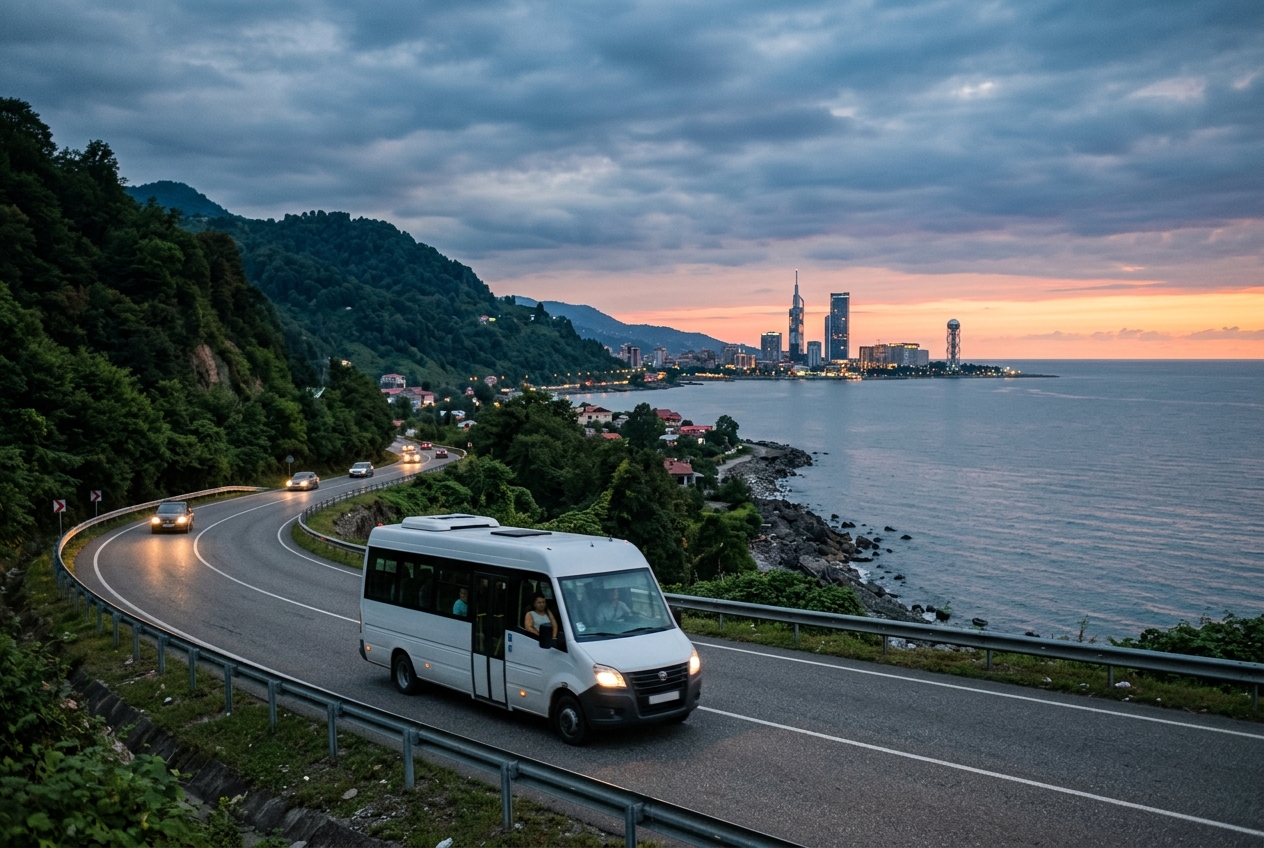
Getting from Kutaisi to Batumi is one of those journeys that looks simple on a map but comes with enough quirks to trip up even experienced travelers. The two cities sit on opposite sides of western Georgia, connected by roads that wind through lush valleys and past tea plantations. Whether you’ve just landed at Kutaisi’s David the Builder International Airport or you’ve been exploring the city’s caves and cathedrals, the Black Sea coast is calling. The good news: you have several solid options for making the trip, ranging from dirt-cheap trains to comfortable private transfers. The bad news: schedules can be inconsistent, information online is often outdated, and the logistics differ depending on whether you’re starting from the city center or the airport. I’ve pieced together the most current and practical details so you can pick the right option for your budget, timeline, and travel style. This route is one of the most common connections travelers make in Georgia, and getting it right can set the tone for your entire coastal experience.
Overview of Travel Options Between Kutaisi and Batumi
The Kutaisi-to-Batumi corridor is well-traveled by locals and tourists alike, which means transport options exist across every price point. You can take a marshrutka (the ubiquitous Georgian minibus), catch a train, book a private transfer, rent a car, or use a ride-hailing app. Each option has tradeoffs in comfort, cost, and flexibility.
Here’s a quick comparison to help you decide before reading the details:
| Transport Option | Approx. Cost | Travel Time | Best For |
|---|---|---|---|
| Marshrutka (minibus) | 20-30 GEL | 3-3.5 hours | Budget travelers |
| Train (from Kutaisi I) | 3-4 USD (~8-10 GEL) | 4h 24m | Cheapest option, scenic |
| Train (from airport station) | 31-32 GEL | ~3.5 hours | Airport arrivals |
| City bus (direct) | 30 GEL | 3-3.5 hours | Comfort on a budget |
| Private transfer | 180-200 GEL per car | ~2.5 hours | Groups, families |
| Car rental | 80-150 GEL/day | 2.5-3 hours | Flexibility, sightseeing |
Distance and Estimated Travel Time
The distance between Kutaisi and Batumi is approximately 150-157 kilometers, depending on which route you take. The main highway (E60 connecting to the coastal road) is the most common path, and it’s generally in decent condition by Georgian standards, though you’ll encounter some winding sections as you approach the coast.
Driving time without stops runs about 2.5 hours. Marshrutkas and buses take closer to 3 to 3.5 hours because of intermediate stops. The train is the slowest option at around 4 hours and 24 minutes from Kutaisi I station, but it’s also the cheapest and most scenic. If you’re not in a rush, the train ride through western Georgia’s green countryside is genuinely enjoyable.
Departing from Kutaisi City vs. Kutaisi Airport (KUT)
This distinction matters more than most guides acknowledge. Kutaisi’s airport sits about 14 kilometers west of the city center, and your transport options differ based on where you’re starting.
From the airport, you can catch a Stadler train directly from the nearby railway station (a short shuttle ride from the terminal) or book a shuttle service that runs to Batumi. From the city center, you have access to the main bus station for marshrutkas, Kutaisi I and II railway stations, and better availability for ride-hailing apps. If you’re flying into Kutaisi and heading straight to Batumi without entering the city, the airport train or a pre-booked shuttle is your most efficient bet. If you’re already in town, the bus station and city railway stations open up more frequent departures.
Taking the Marshrutka (Minibus)
The marshrutka remains the backbone of intercity travel in Georgia. These white or yellow minibuses connect virtually every city and town in the country, and the Kutaisi-to-Batumi route is one of the busier ones. Expect a Mercedes Sprinter or similar van, usually seating 16 to 20 passengers.
The experience is distinctly Georgian: the driver might play traditional music, passengers chat freely, and stops happen when someone needs to get off. Air conditioning exists in theory but not always in practice during summer months. It’s not luxury travel, but it’s authentic and efficient.
Finding the Kutaisi Main Bus Station
Kutaisi’s central bus station (sometimes called the “avtovagzali”) is located near the city center, close to the central market area. If you’re staying in the old town, it’s walkable in about 15 minutes. A Bolt ride from anywhere in the city should cost 3-5 GEL.
The station itself can feel chaotic if you’re not used to Georgian bus stations. There’s no centralized digital departure board in most cases. Instead, drivers or dispatchers call out destinations. Look for vehicles with “Batumi” written in Georgian script (ბათუმი) on a sign in the windshield. If you’re struggling, just say “Batumi?” to any driver and they’ll point you in the right direction. Georgians are remarkably helpful with lost-looking travelers, even across language barriers. Having Google Translate’s Georgian offline pack downloaded on your phone helps enormously here.
Ticket Prices and Departure Schedules
City buses from Kutaisi to Batumi cost 30 GEL and operate 3-4 times a day. Marshrutkas run on a similar price range, sometimes slightly cheaper at 20-25 GEL, and depart more frequently. The catch is that marshrutkas often leave when full rather than on a strict timetable, especially outside peak hours.
Morning departures (between 8:00 and 11:00) are the most reliable for finding a seat quickly. Afternoon options thin out, and by evening your choices become very limited. Buy your ticket directly from the driver or at the small ticket window at the station. Cash in Georgian Lari is essential here: don’t expect card payments. Arrive 20-30 minutes before your target departure time to secure a seat, particularly during summer when the Batumi coast draws heavy domestic tourism.
Traveling by Train
Georgia’s railway system doesn’t get enough credit. The trains between Kutaisi and Batumi are comfortable, affordable, and offer views you simply won’t get from the highway. The Stadler KISS double-decker trains that run on this route are modern Swiss-made units: clean, air-conditioned, and genuinely pleasant.
The cheapest way to travel from Kutaisi I to Batumi is by train, costing $3-$4 and taking about 4 hours and 24 minutes. That’s hard to beat for budget travelers willing to trade speed for savings and scenery.
Booking Tickets Online via Georgian Railway
Georgian Railway’s website (railway.ge) has an English-language option and allows online booking. The interface isn’t the slickest you’ll ever use, but it works. You can search routes, select your class, and pay with a credit card. Your e-ticket gets sent to your email, and you show it (printed or on your phone) when boarding.
Book at least a day in advance during summer months (June through September), as trains to Batumi fill up quickly. During the off-season, same-day tickets are usually available. Second-class is perfectly comfortable for this journey: the seats recline, there’s a small café car, and the windows are large enough to enjoy the passing landscape.
Kutaisi I vs. Kutaisi II Railway Stations
This confuses a lot of travelers. Kutaisi has two railway stations, and they serve different purposes.
Kutaisi I is the main station, located in the city center. Most long-distance trains, including the Batumi service, depart from here. It’s well-connected to the rest of the city by taxi and Bolt. Kutaisi II is a smaller station on the city’s outskirts, primarily used for local and suburban services. For the Batumi route, you almost certainly want Kutaisi I unless you’re connecting from a specific local train.
There’s also the airport railway station (Kopitnari), which is separate from both. Second-class tickets on the Stadler train from Kutaisi Airport Station to Batumi cost around 31-32 GEL, which is significantly more than the Kutaisi I fare but still very reasonable. If you’re arriving by air and heading straight to the coast, this is one of the smoothest connections available.
Direct Airport Transfers and Shuttles
For travelers landing at Kutaisi airport with Batumi as their final destination, dedicated shuttle services eliminate the need to enter Kutaisi city at all. These services time their departures to align with flight arrivals, which is a huge convenience given that Kutaisi airport handles a lot of budget airline traffic (Wizz Air being the main carrier).
The shuttles are typically modern buses or large vans, and they offer a level of comfort and reliability that marshrutkas can’t match. You’ll pay a premium over public transport, but the time savings and convenience often justify it.
Georgian Bus and OmniBus Services
Georgian Bus and OmniBus are the two main shuttle operators running direct transfers from Kutaisi airport to Batumi. Both allow online booking in advance, which I strongly recommend: seats can sell out on popular flight arrivals.
Georgian Bus operates comfortable coaches and publishes schedules that correspond to incoming Wizz Air flights. OmniBus offers a similar service with slightly different pricing and vehicle types. Expect to pay somewhere between 25 and 40 GEL depending on the operator and season. The journey takes roughly 3 hours door-to-door, dropping you off at a central point in Batumi. Check both websites before booking, as prices and departure times vary. Having a confirmed shuttle booking before you land removes a significant source of travel stress, especially if your flight arrives late in the evening.
Private Transfers and Car Rentals
If budget isn’t your primary concern, or if you’re traveling with family or a small group, private options make a lot of sense. A private transfer from Kutaisi to Batumi takes around 2.5 hours and costs 180-200 GEL per car. Split between three or four passengers, that’s roughly 50 GEL per person: not much more than a shuttle, with far greater comfort and flexibility.
Car rentals open up an entirely different kind of trip. As one veteran driver with over a decade of experience on Georgian roads put it: “After 13 years of driving every corner of Georgia, I can tell you the real magic is off the main routes. Most visitors see maybe 20% of what this country offers. A rental car and a willingness to explore transform the entire experience.” That’s not marketing fluff: the villages, viewpoints, and roadside wine stands between Kutaisi and the coast genuinely reward those who stop.
Using GoTrip for Flexible Sightseeing Stops
GoTrip is a platform that connects travelers with local drivers for intercity transfers, and it’s particularly popular for the western Georgia corridor. What makes it different from a standard taxi is the ability to add sightseeing stops along the way without renegotiating the price.
Want to visit Martvili Canyon or stop at a roadside churchkhela stand? You can build that into your GoTrip booking. Drivers on the platform are rated by previous travelers, and many speak at least basic English (a reflection of the post-2003 generation’s English education push). Prices are transparent and agreed upon before departure. For the Kutaisi-to-Batumi route, expect to pay slightly more than a standard private transfer, but the flexibility to customize your journey makes it worthwhile if you’re not just trying to get from A to B.
Ride-Hailing Apps: Bolt and Yandex
Both Bolt and Yandex Go operate in Kutaisi and Batumi, and you can technically book an intercity ride through either app. Bolt tends to be more widely used among tourists because the interface is entirely in English and the payment can be linked to your credit card.
A Bolt ride from Kutaisi to Batumi will typically quote somewhere between 120 and 180 GEL depending on demand and time of day. The advantage is convenience: you book from your phone, the driver comes to you, and the price is set before you get in. The disadvantage is that not all drivers will accept a 2.5-hour intercity trip, so you might need to request a few times before someone picks up. Yandex Go works similarly but has a larger driver pool in some areas. Having both apps installed gives you the best chance of finding a ride quickly.
Driving Tips and Scenic Stops Along the Way
If you’re renting a car or riding with a private driver who’s open to detours, the road between Kutaisi and Batumi offers some memorable stops. The route passes through Samegrelo and Guria regions, both of which are underrated by most visitors.
Martvili Canyon is the most popular detour, located about 40 minutes north of the main highway. The boat ride through the narrow canyon is spectacular and costs a modest entry fee. Closer to the coast, the town of Ozurgeti serves as a good lunch stop: look for a local restaurant serving Gurian-style khachapuri (the one with a boiled egg inside). The tea plantations near Chakvi, just before Batumi, are another worthwhile pause if you have time.
Driving conditions are generally fine on the main highway, but Georgian driving culture can be intense for newcomers. Overtaking on curves, unexpected livestock on the road, and creative lane usage are all part of the experience. Drive defensively, keep your speed reasonable, and don’t feel pressured by faster drivers behind you. Gas stations are plentiful along the route, and most accept card payment.
One practical note: if you’re renting a car at Kutaisi airport, book in advance during summer. Rental agencies at the airport are small operations, and inventory runs out fast. Prices typically range from 80 to 150 GEL per day depending on the vehicle.
Getting to Batumi: The Right Choice Depends on You
The best way to travel from Kutaisi to Batumi depends entirely on your priorities. Budget travelers should take the train from Kutaisi I for an absurdly cheap fare and a scenic ride. Time-pressed visitors arriving at the airport should grab a Georgian Bus or OmniBus shuttle. Groups and families get the best value from a private transfer, especially if you want to stop at Martvili Canyon along the way. And if freedom matters most, a rental car turns a simple transfer into a proper road trip through one of Georgia’s most beautiful regions.
Whatever you choose, give yourself a buffer. Georgian transport schedules are suggestions as much as they are commitments, and the best moments on this route often happen when you’re not rushing. Batumi’s seafront boulevard, its quirky architecture, and its surprisingly good restaurant scene will be waiting whenever you arrive.