
Table of Contents
- Why March is a Unique Time to Visit Georgia
- Top Cultural Events and Festivals in March
- Outdoor Activities and Sightseeing
- Regional Highlights for a March Itinerary
- Essential Travel Tips for a Smooth Trip
- Making the Most of Georgia’s Spring Awakening
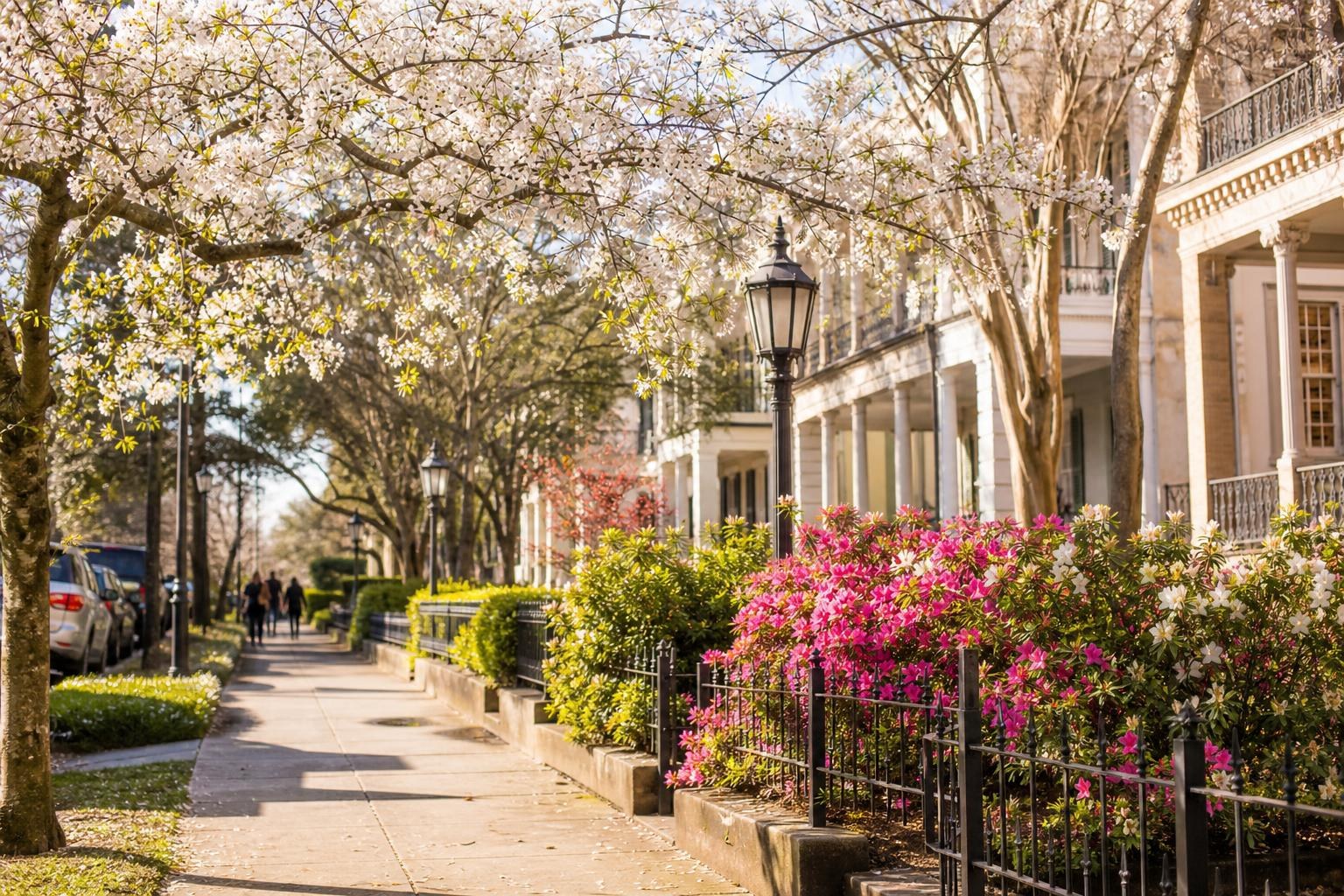
March in Georgia feels like catching the country mid-stretch, waking up from winter but not yet crowded with summer tourists. The air in Tbilisi carries the scent of almond blossoms, ski resorts still have snow on the upper slopes, and wine cellars across Kakheti are just beginning to stir. It’s a shoulder season in the truest sense: prices are lower, lines are shorter, and the locals have more time to pull you into a conversation over chacha. If you’re wondering what to do in Georgia in March, the honest answer is almost everything, just with a warmer jacket. This is a country where spring doesn’t arrive uniformly. The Black Sea coast might feel mild and damp while mountain passes remain icy. That contrast is actually the appeal. You can ski in the morning and wander subtropical gardens by evening, provided you plan your route well. I’ve put together this guide to help you do exactly that: build a trip that matches the season’s quirks rather than fighting them. What follows are specific tips on weather, culture, activities, and logistics for a March visit to Sakartvelo.
Why March is a Unique Time to Visit Georgia
Georgia in March occupies a sweet spot that most travelers overlook. The country’s tourism numbers have grown steadily, with visitor arrivals continuing to climb year over year, but the bulk of that traffic hits between June and September. March gives you access to the same UNESCO sites, the same wine regions, and the same mountain scenery with a fraction of the foot traffic.
The shoulder season also means better deals. Guesthouses in Tbilisi that charge 250-350 GEL per night in summer often drop to 120-180 GEL in March. Domestic flights to Batumi and Mestia are easier to book, and rental car availability improves. The trade-off is unpredictable weather, but that’s manageable if you understand the regional differences.
What makes March genuinely special, though, is the cultural calendar. Mother’s Day on March 3 and International Women’s Day on March 8 turn the first half of the month into a celebration. Flower markets overflow, restaurants offer special menus, and there’s a warmth in public life that feels distinctly Georgian. Pair that with late-season skiing and early vineyard visits, and you’ve got a month that rewards flexibility.
Weather Overview: Average Temperatures and Rainfall by Region
Georgia’s geography creates wildly different microclimates within a few hours’ drive. Tbilisi sits in a valley and tends to be the warmest lowland option, with March daytime highs around 12-15°C and nighttime lows dipping to 3-5°C. Rain is moderate, usually arriving in short bursts rather than all-day downpours.
Batumi on the Black Sea coast is a different story. It’s one of the wettest cities in the region, and March brings roughly 130-150mm of rain spread across 14-16 days. Temperatures hover around 10-13°C during the day, which feels cooler with the coastal wind. Still, the subtropical vegetation stays green year-round, and the city has a moody, atmospheric quality in early spring that photography enthusiasts love.
Gudauri, the country’s main ski resort at roughly 2,200 meters elevation, remains firmly in winter mode. Daytime temperatures at the base sit around -2°C to 3°C, and the upper slopes stay well below freezing. Snowpack in March is typically reliable, making it the best month for skiing if you want to avoid the January-February crowds.
Table: March Climate Data for Tbilisi, Batumi, and Gudauri
| Metric | Tbilisi | Batumi | Gudauri |
|---|---|---|---|
| Avg. High (°C) | 13-15 | 11-13 | 0-3 |
| Avg. Low (°C) | 3-5 | 5-7 | -7 to -3 |
| Rainfall (mm) | 35-45 | 130-150 | 60-80 (mostly snow) |
| Rainy/Snowy Days | 8-10 | 14-16 | 12-15 |
| Daylight Hours | 11.5-12.5 | 11.5-12.5 | 11.5-12.5 |
| UV Index | 3-4 (moderate) | 3-4 (moderate) | 5-6 (high at altitude) |
Top Cultural Events and Festivals in March
March in Georgia is emotionally charged in a way that catches foreign visitors off guard. The month opens with two holidays that Georgians take seriously, and the energy in cities shifts noticeably. Flower vendors set up on nearly every corner in Tbilisi, and you’ll see men carrying bouquets on the metro, in marshrutkas, everywhere. It’s not performative; it’s deeply cultural.
Beyond the holidays, March marks the beginning of wine season preparations. Cellars that were quiet all winter start hosting tastings again, and some producers release new vintages. If you’re a wine traveler, this is the month where you get personal attention from winemakers rather than being shuffled through a tasting room with thirty other tourists.
Celebrating Mother’s Day and International Women’s Day
Georgia celebrates Mother’s Day on March 3, a week before International Women’s Day on March 8. Both are public holidays with real cultural weight. On Mother’s Day, families gather for large meals, and it’s common for restaurants to be fully booked by midday. If you’re traveling during this period, make dinner reservations at least a few days ahead.
International Women’s Day carries a slightly different tone. It’s more public-facing: workplaces celebrate female colleagues, schools hold events, and the streets fill with flower sellers. As a visitor, you’ll notice the festive atmosphere even if you’re just wandering through the Old Town. Don’t be surprised if a stranger hands you a flower or a shopkeeper offers you a small gift. Georgian hospitality intensifies during holidays, and the concept of stumari ghvtisaa, the guest as a gift from God, becomes especially visible.
Early Spring Wine Tastings and New Vintage Releases
Georgia’s 8,000-year winemaking tradition doesn’t take a real off-season, but March is when things start to pick up after the quieter winter months. Several natural wine producers in Kakheti open their doors for private tastings, and the experience is far more intimate than what you’d get in July. I’ve sat in qvevri cellars with winemakers who had two hours to spare because I was their only visitor that week.
Look for new vintage releases from producers like Pheasant’s Tears, Iago’s Wine, and Lapati Wines. Some Tbilisi wine bars, particularly on Erekle II Street and in the Vera neighborhood, host release events in March. A glass of quality Georgian amber wine typically costs 8-15 GEL at a wine bar, and a full tasting with food pairing at a Kakheti winery runs 40-80 GEL per person. That’s a fraction of what you’d pay in Tuscany or Burgundy for a comparable experience.
Outdoor Activities and Sightseeing
March is a transitional month for outdoor activities, and that transition is precisely what makes it interesting. You’re not locked into one type of trip. The lowlands are warming up enough for comfortable walking and sightseeing, while the mountains still offer genuine winter sports. The key is checking conditions before committing to a specific route, especially for anything above 2,000 meters.
Exploring the Old Town of Tbilisi Without the Crowds
Tbilisi’s Old Town, with its leaning wooden balconies and sulfur bath district, is one of those places that draws visitors year-round, but March thins the crowds considerably. You can photograph the Narikala Fortress without waiting for tour groups to clear out, and the cable car up to the Mother of Georgia statue rarely has a line.
Spend a morning walking from Meidan Square through the narrow streets of Abanotubani, stopping at the sulfur baths. A private room at Chreli Abano costs about 80-120 GEL for an hour, and you won’t need to book days in advance like you would in August. From there, walk up to the Betlemi quarter, where restored houses now hold small galleries and cafes. The Dry Bridge Market operates on weekends and is less picked-over in March: you’ll find Soviet-era cameras, antique jewelry, and hand-painted icons.
For food, skip the tourist-facing restaurants on Shardeni Street and head to Machakhela or Shavi Lomi for khinkali and mtsvadi. A filling lunch for two with wine rarely exceeds 50 GEL.
Late Season Skiing in Gudauri and Bakuriani
Gudauri’s ski season typically runs through mid-April, and March offers some of the best conditions. The snowpack is deep from accumulated winter snowfall, lift lines are shorter than in February, and the sun is stronger, making for warmer, more pleasant days on the mountain. A daily lift pass costs around 60-70 GEL, and equipment rental runs 40-60 GEL per day. Compare that to European Alpine resorts, and the value is staggering.
Bakuriani, at a lower elevation, is better suited to families and intermediate skiers. Its season starts winding down in late March, so aim for the first two weeks of the month. The town itself has a charming, slightly retro feel, with Soviet-era sanatoriums converted into budget hotels. A night in a guesthouse with breakfast runs 80-130 GEL.
One practical note: the road from Tbilisi to Gudauri via the Georgian Military Highway is well-maintained but can be icy in the mornings. Leave early, drive carefully, or hire a local driver through Bolt for about 150-200 GEL one way.
Hiking in Lowland Regions: Mtskheta and David Gareja
High-altitude hiking trails in Svaneti and Tusheti won’t open until June, but the lowland areas around Mtskheta and David Gareja are accessible in March. Mtskheta, Georgia’s ancient capital and a UNESCO World Heritage site, sits just 20 minutes from Tbilisi by marshrutka (1 GEL fare). The Jvari Monastery perched above the confluence of the Mtkvari and Aragvi rivers is one of the most photographed spots in the country, and in March you might have the hilltop to yourself.
David Gareja, the cave monastery complex near the Azerbaijan border, requires a bit more planning. The access road can be muddy in early March, so a 4×4 or a guided tour is advisable. Several Tbilisi-based operators run day trips for 80-120 GEL per person, including transport and a guide. The monastery itself is hauntingly beautiful: sixth-century frescoes in rock-hewn chambers overlooking the semi-desert steppe. March wildflowers begin appearing on the surrounding hills, adding color to the otherwise austere terrain.
Regional Highlights for a March Itinerary
Building a March itinerary in Georgia requires thinking regionally. The country is small enough to cross in a day, but the conditions vary so much that a smart route matters more than raw distance. A solid 10-day trip might combine three or four days in Tbilisi, two days in Kakheti, a day trip to Mtskheta, and two to three days in either Gudauri or Batumi, depending on whether you prefer mountains or coast.
Kakheti: The Awakening of the Vineyards
Kakheti in March is quiet and slightly raw. The vines are still dormant, but the first signs of budding appear by month’s end. This is the time to visit wineries without the harvest-season chaos, and winemakers are genuinely happy to see you. The town of Sighnaghi, perched on a hilltop with views of the Alazani Valley, is one of the most unique small towns in the country, and its cobblestone streets are practically empty in early spring.
Don’t miss the Bodbe Monastery just outside Sighnaghi, where Saint Nino is buried. The gardens are beginning to bloom in March, and the walk down to the holy spring takes about 20 minutes through forested hillside. For lunch, try a family-run restaurant in Sighnaghi where churchkhela hangs from the ceiling and a full supra-style meal costs 25-40 GEL per person.
Batumi: Coastal Breezes and Botanical Gardens
Batumi in March won’t give you beach weather, but it offers something better: the Batumi Botanical Garden in early bloom. The garden covers 108 hectares on a hillside above the coast and houses plants from nine different phytogeographic zones. Entry is 15 GEL, and you can easily spend three to four hours wandering the paths. The Japanese and Himalayan sections are particularly striking as early spring flowers emerge.
The city itself has undergone a dramatic transformation over the past decade, with a mix of modern architecture and restored Ottoman-era buildings along the boulevard. The Piazza Square, modeled after an Italian piazza, hosts occasional live music even in the off-season. Seafood restaurants along the port serve fresh Black Sea fish for 15-25 GEL per plate, and the local adjarian khachapuri, the boat-shaped bread with egg and butter, is arguably better here than anywhere else in Georgia.
Essential Travel Tips for a Smooth Trip
Getting around Georgia in March requires a bit more awareness than summer travel, but the country remains remarkably affordable and accessible for independent travelers. A realistic daily budget for a mid-range trip sits around 150-250 GEL (roughly $55-90 USD), covering accommodation, food, local transport, and one activity or entrance fee.
Packing Advice: Layering for Changing Microclimates
Packing for Georgia in March is an exercise in versatility. You might start the day at 3°C in Tbilisi’s morning chill, warm up to 15°C by afternoon, and then find yourself in a 0°C mountain pass by evening. Layers are non-negotiable.
- A lightweight down jacket or insulated vest for mornings and evenings
- A waterproof shell that packs small for Batumi’s rain or unexpected mountain showers
- Merino wool base layers that regulate temperature without bulk
- Sturdy walking shoes with good grip: Tbilisi’s cobblestones get slippery when wet
- Sunscreen and sunglasses, especially if you’re skiing in Gudauri where UV reflection off snow is intense
- A compact umbrella: Georgian rain rarely lasts all day, but it arrives without warning
Skip the heavy winter coat unless you’re spending multiple days at altitude. Most indoor spaces are well-heated, and you’ll overheat in restaurants and marshrutkas if you’re overdressed.
Transportation: Navigating Mountain Passes in Early Spring
Georgia’s road network has improved significantly, but March conditions add complexity. The main highway from Tbilisi to Gudauri via the Georgian Military Highway is paved and maintained, though black ice is common before 9 AM. The Jvari Pass (2,379 meters) occasionally closes during heavy snowfall: check the Georgian Road Department’s updates before heading north.
For getting between cities, marshrutkas (shared minivans) remain the cheapest option. Tbilisi to Kutaisi costs about 15-20 GEL and takes four hours. The train between Tbilisi and Batumi is more comfortable and runs overnight, with a sleeper berth costing 35-50 GEL. Download the Bolt app for city taxis: a ride across Tbilisi rarely exceeds 8-10 GEL, and it eliminates the need to negotiate fares.
If you’re renting a car, choose one with winter tires and carry chains if you plan to head into the mountains. Rental prices in March start around 80-120 GEL per day for a basic sedan. Georgian drivers can be aggressive, and mountain roads have sharp turns without guardrails, so drive defensively and use your horn on blind curves.
Making the Most of Georgia’s Spring Awakening
Georgia in March rewards the curious traveler who doesn’t need perfect weather to have a great trip. You’ll find a country in transition: snow still on the peaks, blossoms starting in the valleys, and a cultural calendar that gives the first weeks of the month a festive energy. The lower prices, thinner crowds, and genuine warmth of off-season hospitality make it one of the smarter times to visit.
Plan regionally, pack in layers, and stay flexible with your itinerary. If a winemaker in Kakheti invites you to stay for one more glass, say yes. If the weather turns and your hiking plans fall through, duck into a sulfur bath or a Tbilisi jazz bar instead. That adaptability is what separates a good Georgia trip from a great one. March gives you the space to find your own rhythm in a country that has always moved to its own.