
Table of Contents
- The Georgian National Museum and the Treasury Golden Fund
- Essential Tbilisi Museums for History and Culture
- Planning Your Visit: Logistics and Getting There by Car
- FAQ: What to Know Before Visiting Museums in Tbilisi
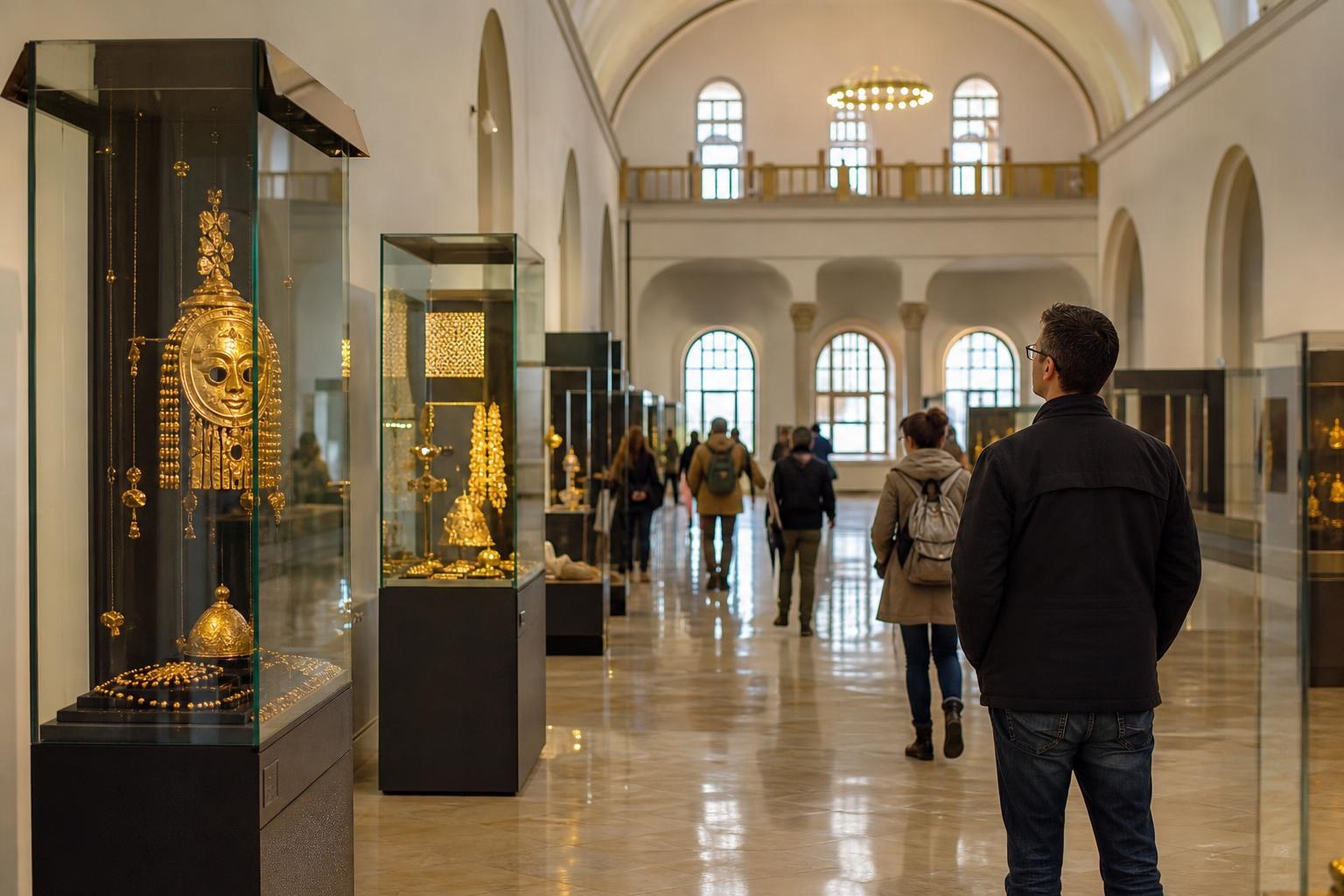
The best cold-day plan in Tbilisi starts at the Georgian National Museum on Rustaveli Avenue, specifically its gold-filled Treasury. After that, a handful of smaller museums within a short walk or metro ride can fill the rest of a grey afternoon. When sleet rolls down from the Caucasus and the roads to Kazbegi look doubtful, these are the places worth parking the car for.
The Georgian National Museum and the Treasury Golden Fund
The flagship building is the Simon Janashia Museum of Georgia, at Rustaveli Avenue 3, near Liberty Square. It belongs to a unified museum network established in 2004. That network also runs the Art Museum of Georgia and the Museum of the Soviet Occupation.
Head down to the Archaeological Treasury, often called the Golden Fund. It holds jewellery from the ancient kingdom of Colchis, the land of the Golden Fleece myth. Some of the gold is around 5,000 years old, and the filigree is so fine that you will be leaning close to the glass for a long time.
The Treasury needs its own ticket. In 2026, expect these approximate prices:
- General admission: about 15 GEL for adults
- Treasury (Golden Fund): around 30 GEL, sold separately
Both prices are approximate and can change, so confirm them at the ticket desk or on the official site.
Tip: Do the Treasury first, while you are fresh. The upstairs natural history and ethnography halls are pleasant, but the gold is the reason you came.
The wider network keeps adding to its collections. Permanent exhibitions that opened in October 2024 include medieval stone carvings, Georgian art from 1900 to 1930, and European masterpieces. They also include tactile relief replicas for visually impaired visitors.
Essential Tbilisi Museums for History and Culture
Once you have seen the gold, these Tbilisi museums suit different moods. Opening status changes with renovations, so confirm each one is open before you go.
- Museum of Soviet Occupation: This is on the fourth floor of the main museum building, so it is easy to add on. It is short, sobering and essential context for 20th-century Georgia.
- Silk Museum: This sits near Heroes Square in an old sericulture station. You will find cocoons, looms and a beautiful 19th-century interior.
- Money Museum: This is run by the National Bank of Georgia. It traces Georgian coins from Colchian silver to the lari, and it is compact and usually quiet.
- Writers’ House of Georgia: This is a Sololaki mansion with literary history and a café garden. The garden is better on a mild day.
For paintings, see our Fine Arts Museum guide. It covers the collection in detail, so it is not repeated here.
The Open Air Ethnographic Museum, near Turtle Lake, is the exception. It is almost entirely outdoors, with traditional houses from across Georgia’s regions. This makes it a sunny-day option, not a refuge from cold rain.
Note: The ethnographic museum’s hillside paths get muddy and slippery in wet weather. Save it for a dry morning.
Planning Your Visit: Logistics and Getting There by Car
| Museum | Best for | Time needed | Area |
|---|---|---|---|
| Simon Janashia Museum + Treasury | Ancient gold, archaeology | 2-3 hours | Rustaveli / Liberty Square |
| Museum of Soviet Occupation | Modern history | 45 min | Same building |
| Silk Museum | Craft, architecture | 1 hour | Heroes Square |
| Money Museum | Quick, quirky stop | 45 min | Central Tbilisi |
| Writers’ House | Literature, café break | 1 hour | Sololaki |
| Open Air Ethnographic Museum | Village architecture | 2 hours | Vake, near Turtle Lake |
Getting there by car
- Starting point: Central Tbilisi. All the museums except the ethnographic one are within a few kilometres of each other.
- Road condition: City streets are paved. You do not need a 4×4. The road up to Turtle Lake is steep and can ice over in cold snaps.
- Parking: Parking around Rustaveli Avenue and in Sololaki is difficult. The streets are narrow, many are one-way, and spaces are scarce. Use a paid parking zone or a garage and expect to circle.
- Metro alternative: Liberty Square and Rustaveli stations are a short walk from the main museum.
- Seasonal note: Check winter hours before driving up to the outdoor museum.
Important: If you rented a car for the regions, the easiest option is often to leave it at your hotel for museum day. Then walk or use Bolt between the museums.
FAQ: What to Know Before Visiting Museums in Tbilisi
Are museums in Tbilisi closed on Mondays?
Many are, including most of the museums in the national network. Plan your Treasury visit for Tuesday to Sunday, and check the official site first.
How much is the treasury at the Georgian National Museum?
In 2026 it costs around 30 GEL, on top of roughly 15 GEL general admission. Prices change, so verify them on the official site before your visit.
Can I see everything in one day?
You can see the main museum, the Soviet Occupation exhibit and one smaller museum in a single day. Anything more starts to blur together.
Where can I find current opening hours?
Use the official websites or call ahead. Opening hours are not listed here because they shift with the seasons and with renovations.
A cold day in Tbilisi is a good excuse to see the Colchian gold. Start at Rustaveli, add the Soviet Occupation floor, and finish with silk or coins nearby. Leave the car parked, and save the outdoor museum and the mountain roads for clearer skies. For more practical routes and road tips across Georgia, browse the other Triproadwayplanner guides before your next drive.