
Table of Contents
- The Geological Origins of Volcanic Black Sands
- Why the Sand Reacts to Magnets
- Comparing Famous Magnetic Beaches Worldwide
- Industrial and Scientific Significance
- The Ecological Impact of Dark Shorelines
- Preserving the Natural Wonder of Magnetic Sands
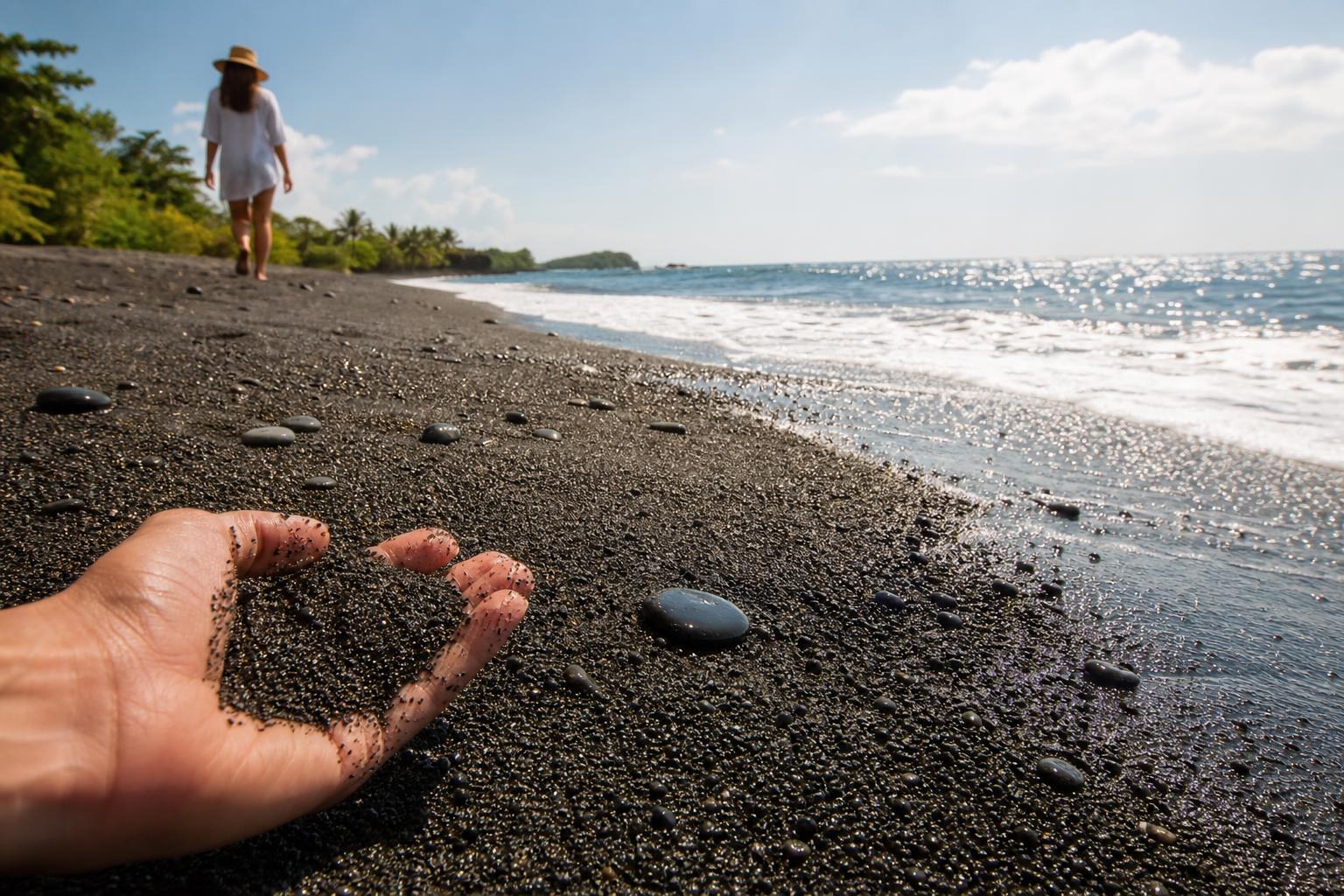
Few natural phenomena feel as strange as scooping up a handful of dark, glittering sand and watching it cling to a magnet. Black magnetic sand beaches exist on coastlines scattered across the globe, from the volcanic shores of Iceland to the mineral-rich deltas of Egypt, and they raise a question most beachgoers never think to ask: why does this sand behave like metal? The answer sits at the intersection of geology, chemistry, and deep volcanic history. These aren’t ordinary beaches. The sand is heavy, almost metallic in its sheen, and warm to the touch under direct sunlight in ways that pale quartz beaches simply aren’t. Understanding what makes these shorelines so unusual means looking at the forces that created them: eruptions, erosion, ocean currents, and millions of years of mineral sorting. Whether you’re a geology enthusiast, a traveler chasing unusual destinations, or someone who stumbled across a strange patch of dark sand on an otherwise ordinary lakeshore, the science behind these beaches is genuinely fascinating.
The Geological Origins of Volcanic Black Sands
Black sand beaches owe their existence to volcanism. Where tectonic plates collide or diverge, magma rises to the surface, cools, and forms basalt: a dense, dark igneous rock rich in iron and magnesium. Over centuries, waves, wind, and freeze-thaw cycles break that basalt into progressively smaller fragments until it becomes sand. Unlike the white or golden quartz sand most people picture, this volcanic sand retains the mineral signature of its parent rock. That’s what gives it the dark, sometimes jet-black color.
The process isn’t fast. A single basalt cliff might take thousands of years to erode into a recognizable beach. But in volcanically active regions, fresh lava flows can accelerate the timeline dramatically. When molten lava meets the ocean, it shatters from thermal shock, producing enormous quantities of fine black sediment almost instantly.
Basaltic Erosion and Lava Fragmentation
Basalt is the most common volcanic rock on Earth’s surface, and its erosion follows predictable patterns. Coastal cliffs composed of basalt columns, like those at Reynisfjara in Iceland, are constantly reshaped by powerful North Atlantic waves. As columns fracture and tumble, the ocean grinds them into smaller and smaller particles. The resulting sand grains are angular rather than rounded: a telltale sign of volcanic origin versus the smooth, wave-polished grains you find on tropical beaches.
Lava fragmentation during eruptions is even more dramatic. Explosive eruptions can launch pyroclastic material into the air, where it cools mid-flight and falls as fine volcanic glass and mineral fragments. Submarine eruptions produce hyaloclastite, a type of glassy debris that accumulates on the seafloor and eventually washes ashore. Both processes contribute to the black sand deposits found near active or recently active volcanic zones.
The Role of Magnetite and Heavy Minerals
Not all black sand is magnetic. The color comes from a cocktail of dark minerals, but the magnetism is specifically tied to magnetite (Fe₃O₄), a naturally occurring iron oxide. Magnetite is one of the heaviest common minerals, with a specific gravity around 5.2 compared to quartz’s 2.65. This density difference is crucial because it means waves and currents sort magnetite grains differently than lighter minerals.
Other heavy minerals often found alongside magnetite in volcanic sand include ilmenite (an iron-titanium oxide), olivine, pyroxene, and sometimes garnet. Together, these minerals create the characteristic dark palette. But magnetite is the star of the show when it comes to magnetic behavior. In some beach deposits, magnetite concentrations can reach 10-15% of the total sand volume, which is enough to make an entire stretch of shoreline visibly react to a handheld magnet.
Why the Sand Reacts to Magnets
The magnetic behavior of black beach sand isn’t some exotic anomaly. It’s basic physics playing out in a beautiful setting. Magnetite is one of only a few naturally occurring minerals that are ferromagnetic at room temperature, meaning its atomic structure allows it to be strongly attracted to external magnetic fields.
Most minerals are either diamagnetic (weakly repelled by magnets) or paramagnetic (weakly attracted). Magnetite is different. Its crystal lattice contains iron atoms in two different oxidation states arranged in a way that creates a permanent magnetic moment. This is the same mineral that ancient navigators used as lodestones, the original compasses.
Ferromagnetic Properties of Iron Oxides
Iron oxides come in several forms, and not all are equally magnetic. Hematite (Fe₂O₃), for instance, is antiferromagnetic at room temperature and won’t cling to a magnet the way magnetite does. Maghemite (γ-Fe₂O₃) is ferrimagnetic and somewhat magnetic, but less so than magnetite. The key to magnetite’s strong response lies in its inverse spinel crystal structure, where iron ions occupy specific sites that allow their magnetic moments to align rather than cancel each other out.
Research on natural magnetite extracted from beach sand has confirmed that these grains retain strong magnetic properties even after extensive weathering. The mineral’s hardness (5.5-6.5 on the Mohs scale) and chemical stability mean it survives transport by rivers and ocean currents better than softer minerals, concentrating over time in what geologists call placer deposits.
Testing Magnetism: A Field Guide
If you’re visiting a dark sand beach and want to test whether it’s genuinely magnetic, the process is simple. Bring a small neodymium magnet (the kind you can buy at any hardware store for a couple of dollars). Hold it just above the sand surface or drag it lightly through the top layer. If magnetite is present, you’ll see grains leap up and cling to the magnet, sometimes forming spiky clusters that look almost alive.
A few tips for better results:
- Test in multiple spots, since wave action concentrates heavier minerals in specific zones, often in thin dark streaks or bands within lighter sand
- Dry sand works better than wet sand for visual effect, though the magnetism is identical
- The magnet’s pull will be strongest in the swash zone where waves have recently sorted minerals by density
- Wrap your magnet in a plastic bag before testing: it makes cleaning off the clinging grains much easier afterward
Even on beaches that appear uniformly tan or gray, you can sometimes find black magnetic mineral concentrations along the shoreline that surprise people who assumed magnetic sand only exists near volcanoes. Glacial erosion of iron-bearing rocks produces similar mineral deposits along the Great Lakes, for example.
Comparing Famous Magnetic Beaches Worldwide
Black sand beaches with notable magnetic properties exist on nearly every continent, though they’re most common in regions with active or recent volcanism. Iceland’s Reynisfjara is probably the most photographed, but it’s far from the only example. The Philippines, Indonesia, New Zealand, Hawaii, the Canary Islands, and Egypt all host significant dark sand shorelines with measurable magnetite content.
Each location has its own geological backstory. Reynisfjara’s sand comes from the erosion of columnar basalt stacks and Katla volcano’s historical eruptions. Hawaii’s Punalu’u Beach gets its sand from the ongoing volcanic activity on the Big Island. Egypt’s Mediterranean coast near Rosetta and Damietta holds some of the most commercially significant black sand deposits with economic potential tied to their mineral richness.
The mineral profiles differ meaningfully between locations, which affects both the sand’s magnetic strength and its commercial value.
Table: Mineral Composition by Location
| Location | Primary Dark Minerals | Magnetite Content | Other Notable Minerals | Volcanic Source |
|---|---|---|---|---|
| Reynisfjara, Iceland | Basaltic glass, magnetite | 5-10% | Pyroxene, olivine | Katla / Mýrdalsjökull |
| Punalu’u, Hawaii | Basaltic fragments, magnetite | 8-12% | Olivine, augite | Kīlauea |
| Anse Céron, Martinique | Magnetite, ilmenite | 6-9% | Augite, hornblende | Mount Pelée |
| Rosetta, Egypt | Magnetite, ilmenite | 10-20% | Zircon, rutile, monazite | Nile Delta sediment |
| Piha, New Zealand | Ironsand (titanomagnetite) | 15-25% | Ilmenite | Taranaki volcanic field |
| Tenerife, Canary Islands | Magnetite, olivine | 4-8% | Pyroxene, plagioclase | Teide volcano |
New Zealand’s west coast ironsand beaches are particularly striking because their titanomagnetite concentrations can exceed 25% in some areas, making them among the most strongly magnetic beaches on Earth. These deposits have been mined commercially since the 1960s.
Industrial and Scientific Significance
Black sand isn’t just a geological curiosity. It’s an increasingly valuable resource. The global mineral sand industry is projected to grow from $6.05 billion in 2025 to $9.24 billion by the early 2030s, driven by demand for titanium, zirconium, and rare earth elements found alongside magnetite in these deposits.
Iron Ore Mining and Extraction
Magnetite extracted from beach sand serves as a feedstock for iron and steel production in several countries. New Zealand’s Waikato North Head mine has operated on ironsand deposits for decades, producing iron concentrate that feeds directly into steelmaking. Egypt has invested heavily in black sand processing facilities along its northern coast, targeting not just magnetite but also the rare earth minerals embedded within the same deposits.
The extraction process typically involves magnetic separation: essentially an industrial-scale version of dragging a magnet through sand. Rotating drum magnets pull magnetite grains from the bulk material, while secondary processes separate ilmenite, zircon, and other valuable minerals using electrostatic and gravity-based methods. The environmental footprint of beach mining is a growing concern, though, since removing large volumes of sand alters coastal dynamics and can accelerate erosion.
Environmental Indicators of Volcanic Activity
For volcanologists and geologists, the composition of magnetic beach sand serves as a historical record. Each eruption produces minerals with slightly different chemical signatures, and analyzing sand samples can reveal which eruptions contributed material to a particular beach. Changes in magnetite concentration over time can also signal shifts in volcanic activity or sediment supply.
Paleomagnetic studies of beach sediments help reconstruct Earth’s magnetic field history. Because magnetite grains align with the ambient magnetic field when they settle, layers of volcanic sand preserve a record of magnetic pole positions and field intensity stretching back thousands of years. This data feeds into models of core dynamics and helps calibrate dating methods used across geology and archaeology.
The Ecological Impact of Dark Shorelines
Dark sand beaches create distinct microclimates that influence which species thrive there. The most obvious difference is temperature. Black sand absorbs significantly more solar radiation than light-colored sand, and surface temperatures on a black beach can exceed 60°C (140°F) on a sunny day. That’s hot enough to burn bare feet and to meaningfully affect any organism living in or on the sand.
Heat Absorption and Nesting Habits
Sea turtles are perhaps the most studied example of how sand color affects wildlife. Many turtle species rely on sand temperature during egg incubation to determine the sex of hatchlings: warmer nests produce more females, cooler nests more males. On black sand beaches, nest temperatures run higher, which can skew sex ratios toward females. In a warming climate, this effect compounds, raising concerns about population viability for species that nest on dark volcanic shores.
Shorebirds face similar challenges. Species that nest directly on the sand surface must balance heat exposure against predator avoidance. On extremely hot black sand, some birds have been observed shifting their nesting times to cooler parts of the day or selecting microsites near vegetation that provide partial shade.
Invertebrate communities also differ. The intertidal fauna on black sand beaches tends to be less diverse than on temperate quartz beaches, partly because of thermal stress and partly because volcanic sand grains are more angular and abrasive. Ghost crabs, sand fleas, and polychaete worms still colonize these shores, but population densities are often lower.
Preserving the Natural Wonder of Magnetic Sands
Magnetic black sand beaches sit at a crossroads between tourism, industry, and conservation. Iceland’s Reynisfjara has seen significant erosion changes in recent years, with storm surges and rising visitor numbers both contributing to the reshaping of this iconic shoreline. In the Philippines and Indonesia, unregulated sand mining has stripped entire beaches of their dark mineral deposits, leaving behind pale, depleted sediment and destabilized coastlines.
The tension is real. These minerals are genuinely valuable for industry: titanium for aerospace, zirconium for ceramics, rare earths for electronics and green energy technologies. But the beaches themselves are irreplaceable on human timescales. A magnetite placer deposit that took thousands of years to accumulate can be stripped in months by a single mining operation.
Some countries have found middle ground. New Zealand regulates ironsand mining through strict environmental permits and requires ongoing coastal monitoring. Egypt has designated specific extraction zones while protecting adjacent shorelines. Iceland bans sand removal from its beaches entirely, treating them as protected natural heritage.
For travelers, the simplest rule is: take photos, not sand. It’s tempting to pocket a handful of magnetic sand as a souvenir, but when millions of visitors each do the same, the cumulative loss adds up. Several Icelandic and Hawaiian beaches have posted signs asking visitors to leave the sand in place, and some parks actively enforce the rule.
These beaches are geological time capsules, records of eruptions, ocean currents, and mineral processes that stretch back millennia. They’re also just genuinely strange and beautiful places to visit. The sand sticks to your magnet, warms your feet, and glitters under sunlight in a way that no white sand beach can replicate. Protecting them means future generations get to experience that same small thrill of discovery: holding a magnet to the ground and watching the earth reach back.