
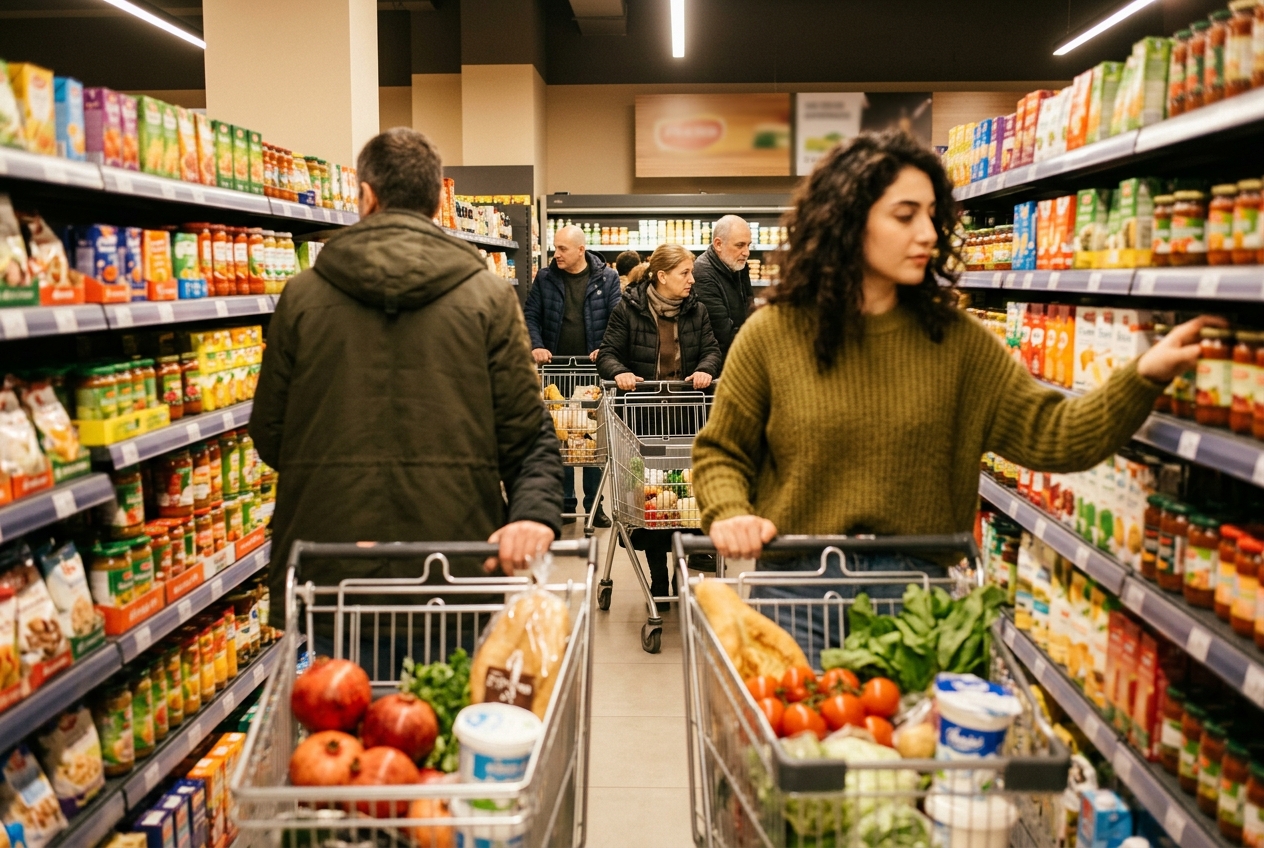
Moving to Georgia or just passing through for a few months? One of the first things you’ll notice is how affordable life can be here, especially at the grocery store. But “affordable” doesn’t mean “identical.” The price gap between supermarket chains is real, and where you shop week after week quietly shapes your monthly budget. Whether you’re a digital nomad based in Tbilisi, an expat settling into Batumi, or a traveler trying to stretch your lari, understanding grocery prices at Carrefour, Fresco, and Spar is worth your time. I’ve spent years walking these aisles, comparing receipts, and watching the Georgian retail sector evolve at a surprising pace. Here’s what I’ve learned about where your money actually goes.
Overview of Georgia’s Major Supermarket Chains
Georgia’s grocery retail sector has changed dramatically over the past decade. What was once dominated by small corner shops and open-air bazaars has become a competitive arena of branded chains. The Daily Group, which operates Spar and Nikora, captured a 27.5% share of the branded retail chains market in 2024, making it the country’s largest grocery conglomerate. Branded chains have been expanding aggressively outside Tbilisi too: their revenue grew faster in the regions at a 42.7% compound annual growth rate compared to 22.2% in the capital between 2018 and 2023.
This expansion means that whether you’re in Kutaisi, Zugdidi, or a smaller town along the highway, you’re increasingly likely to find a recognizable supermarket nearby. The three chains most relevant to expats and regular shoppers in urban Georgia are Carrefour, Fresco, and Spar, each with a distinct personality.
Carrefour: The International Hypermarket Experience
Carrefour operates in Georgia under a franchise agreement, and its stores feel noticeably different from local competitors. The larger locations, particularly the hypermarkets in Tbilisi’s malls like East Point and Galleria, carry a wide range of imported European products you won’t easily find elsewhere. Think French cheeses, Italian pasta brands, and a decent wine section that goes beyond the (excellent) local Georgian offerings.
That said, Carrefour’s position in the market has been shifting. Its market share decreased from 15.5% in 2023 to 13.6% in May 2024, suggesting that local competitors are winning over price-conscious shoppers. Carrefour tends to price its products slightly higher than Fresco or Spar on everyday staples, but it compensates with a broader selection of international goods and a store layout that feels familiar to anyone who has shopped at a Western European supermarket.
Fresco: The Local 24-Hour Giant
Fresco is the chain I recommend most often to newcomers. It’s Georgian-owned, operates 24 hours in many locations, and strikes a balance between variety and affordability that’s hard to beat. The stores range from medium-sized neighborhood outlets to large-format locations with full bakery, deli, and produce sections.
What sets Fresco apart is its pricing strategy on local goods. Georgian dairy, bread, eggs, and seasonal produce are consistently cheaper here than at Carrefour, sometimes by 10-15%. The chain has also invested heavily in its own private-label products, which undercut branded alternatives significantly. If you’re cooking Georgian food at home, buying local cheeses like sulguni and imeruli, stocking up on tkemali sauce, and grabbing fresh shotis puri, Fresco is where your lari stretches furthest.
Spar: Convenience and Accessibility Across Neighborhoods
Spar in Georgia is part of the Daily Group alongside Nikora, and together they form the country’s retail backbone. Nikora alone held 18.9% of the grocery market share as of May 2024, and Spar adds significant volume on top of that. Spar stores tend to be mid-sized, well-placed in residential neighborhoods, and stocked with a practical mix of everyday essentials.
The Spar experience in Georgia is less about massive selection and more about reliability. You’ll find what you need for a weekly shop without the overwhelming scale of a Carrefour hypermarket. Prices sit in the middle ground: competitive on basics, occasionally higher on specialty items. Their strength is density of locations. In Tbilisi, you’re rarely more than a ten-minute walk from a Spar, which makes it the default choice for quick top-up shops.
Comparative Price Analysis for Essential Goods
Prices in Georgia fluctuate seasonally and have been affected by broader inflationary pressures. In January 2026, food and non-alcoholic beverages experienced a price increase of 10.6%, which hit household budgets across all income levels. That context matters: the differences between chains, while real, exist within a market where everything has gotten more expensive.
Here’s a rough comparison based on typical prices I’ve tracked across Tbilisi locations in recent months. Prices are in Georgian lari (GEL).
| Item | Carrefour | Fresco | Spar |
|---|---|---|---|
| White bread (500g) | 1.20-1.50 | 0.80-1.20 | 1.00-1.30 |
| Milk, 1 liter (local) | 3.50-4.00 | 3.00-3.50 | 3.20-3.80 |
| Eggs, 10 pack | 5.00-6.50 | 4.50-5.80 | 4.80-6.00 |
| Chicken breast, 1 kg | 14.00-16.00 | 12.00-14.50 | 13.00-15.00 |
| Local cheese (sulguni), 1 kg | 14.00-18.00 | 12.00-15.00 | 13.00-16.00 |
| Bananas, 1 kg | 4.50-5.50 | 4.00-5.00 | 4.20-5.20 |
| Imported pasta (Barilla) | 4.50-5.50 | 5.00-6.00 | 5.50-6.50 |
Staples and Pantry Basics: Bread, Milk, and Eggs
Bread is where Fresco consistently wins. Their in-store bakeries produce fresh Georgian bread throughout the day, and prices start below 1 lari for a basic loaf. Carrefour’s bread section leans more toward packaged and European-style options, which cost more but appeal to different tastes. Spar falls in between, with decent fresh bread but less variety than Fresco’s bakery counters.
Milk prices are fairly close across all three chains for local brands like Sante or Soplis Nobati. The gap widens when you reach for imported options: Carrefour stocks more European dairy brands, but you’ll pay a premium. Eggs follow a similar pattern. Local free-range eggs at the bazaar are often cheaper than any supermarket, but among the three chains, Fresco edges out the others by a small margin on standard packs.
Fresh Produce and Meat Quality vs. Cost
Fresh produce is where Georgia truly shines, especially during summer and early fall. Tomatoes, cucumbers, herbs, and stone fruits are absurdly cheap at local markets, and supermarkets try to compete. Fresco sources heavily from local farms and tends to price seasonal produce aggressively. Carrefour’s produce section is well-organized and offers some imported fruits year-round, but you’ll pay for that convenience.
Meat is a bigger differentiator. Carrefour’s meat counters carry more standardized cuts and some imported options like Australian beef. Fresco and Spar lean toward locally sourced meat, which is fresher but sometimes less consistently butchered. For chicken, Fresco is almost always the cheapest option. Pork and beef prices are closer across chains, with Spar occasionally running promotions that make it competitive.
Imported Goods and International Brands
This is Carrefour’s territory. If you want specific international brands: particular olive oils, Japanese soy sauce, European cereals, or specialty baking ingredients, Carrefour is your best bet. Their hypermarket locations carry products that simply don’t exist on Fresco or Spar shelves.
The price premium on imports is significant regardless of where you shop. Around 86% of price increases occur after goods cross the border and before they reach supermarket shelves, driven by logistics costs, import duties, and retail markups. A jar of Nutella or a box of Kellogg’s cereal can cost two to three times what you’d pay in Western Europe. My advice: stock up on imports during Carrefour sales and rely on local alternatives for daily cooking. Georgian honey is better than most imported brands anyway.
Loyalty Programs and Seasonal Discounts
Smart shopping in Georgia isn’t just about choosing the right store. It’s about timing your purchases and using the discount systems each chain offers. The savings from loyalty programs won’t transform your budget, but they add up over months.
MyClub and Carrefour Membership Benefits
Carrefour’s MyClub card is free to sign up for and offers points-based rewards on purchases. You accumulate points that convert to discounts on future shops. The real value comes from member-exclusive pricing on selected items each week, sometimes 15-25% off regular prices on specific products. These deals rotate frequently and are highlighted with yellow tags in-store.
Carrefour also runs periodic “buy more, save more” promotions on household goods and packaged foods. During holiday seasons like New Year (a massive celebration in Georgia) and Easter, their discounts on imported goods can be genuinely worthwhile. The app is functional if a bit clunky, and it shows current promotions before you leave the house.
Fresco’s In-Store Promotions and Bulk Deals
Fresco doesn’t operate a traditional loyalty card system, but their promotional strategy is arguably more straightforward. Look for red-tagged items throughout the store: these are temporary price cuts that rotate weekly. Fresco is particularly aggressive with discounts on dairy products nearing their sell-by date, which is perfect if you’re buying for immediate use.
Bulk deals on staples like rice, sugar, flour, and cooking oil appear regularly. Fresco also runs seasonal campaigns around Georgian holidays, offering discounts on traditional feast ingredients. During Rtveli (the grape harvest season in fall), expect deals on wine-making supplies and fresh grapes. Their private-label products are essentially a permanent discount: same quality as many branded items at 20-30% less.
Shopping Experience and Service Quality
Price isn’t everything. The actual experience of shopping, from how easy it is to find what you need to whether you can get groceries delivered, matters for your weekly routine.
Store Layout and Product Availability
Carrefour’s hypermarkets are the most Western-feeling shopping experience in Georgia. Aisles are wide, signage is clear (often in Georgian, English, and sometimes Russian), and product organization follows international standards. Smaller Carrefour Express locations are more cramped but still well-organized. If you’re new to Georgia and don’t read Georgian script yet, Carrefour is the easiest chain to shop in.
Fresco stores vary more in quality. The flagship locations are excellent, with spacious layouts and well-stocked shelves. Smaller neighborhood Frescos can feel crowded, and stock gaps happen more frequently. Spar stores are consistently mid-range in layout quality: clean, organized, but not exciting. One advantage of Spar is that staff tend to be helpful, and the smaller format means you can get in and out quickly.
Online Delivery Options and Mobile Apps
All three chains offer delivery, but the experience differs. Carrefour’s app is the most polished, with a full product catalog, real-time stock updates, and scheduled delivery windows. Fresco partners with Wolt and Glovo for delivery, which works well in Tbilisi but can be unreliable in smaller cities. Spar also appears on delivery platforms, though their selection online is sometimes limited compared to what’s in-store.
For regular grocery delivery, I’d recommend trying Carrefour’s own app first if you value selection and reliability. For quick orders of 10-15 items, Wolt’s integration with Fresco is faster and often cheaper on delivery fees. Keep the Bolt app handy too: not for groceries specifically, but for quick runs to a store when delivery times are long.
Budgeting Tips for Grocery Shopping in Georgia
The single best thing you can do for your grocery budget in Georgia is split your shopping between chains and local bazaars. Buy your produce, herbs, spices, and eggs at the bazaar (Dezerter Bazaar in Tbilisi is the classic choice). Get your staples and dairy at Fresco. Save Carrefour trips for when you need specific imported items or want to take advantage of a MyClub promotion.
Cook Georgian food. This isn’t just cultural advice: it’s financial advice. Georgian cuisine is built around affordable local ingredients. A pot of lobio (bean stew) costs almost nothing to make. Khachapuri ingredients are cheap at any supermarket. When you cook with local products, you sidestep the import markups that inflate prices on foreign brands.
Watch for the seasonal rhythm. Summer and early fall bring the cheapest produce prices of the year. Stock up on tomatoes, peppers, and eggplant for winter preservation if you have the space. Many Georgian families still make their own adjika, tkemali, and pickled vegetables in September and October, and the ingredients are practically given away at bazaars during peak harvest.
A realistic monthly grocery budget for one person in Tbilisi, cooking most meals at home and shopping strategically across Fresco and local markets, sits around 400-600 GEL (roughly $150-225 USD). Add another 100-200 GEL if you regularly buy imported products or eat more Western-style meals. Couples can expect to spend 700-1,000 GEL with comfortable variety.
The Georgian grocery market is evolving fast, with chains competing harder each year on both price and experience. That competition benefits you as a shopper. Stay flexible, compare prices on the items you buy most often, and don’t underestimate the bazaar. Your wallet will thank you, and honestly, so will your taste buds.