
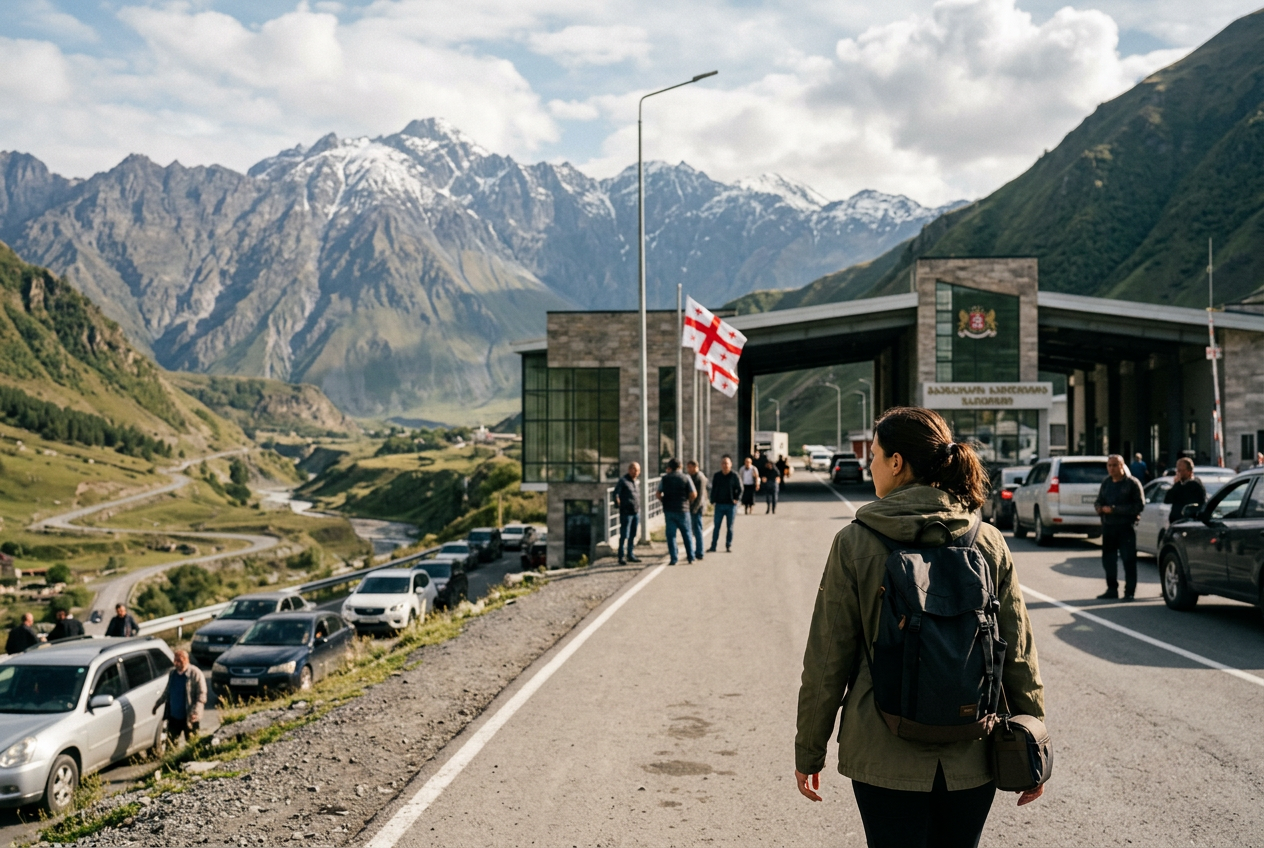
Georgia sits at the crossroads of Europe and Asia, a country where ancient monasteries cling to cliffsides and wine has been made the same way for 8,000 years. For travelers wondering whether they can go to Georgia visa-free, the answer is remarkably welcoming: this small Caucasus nation operates one of the most generous visa policies in the world. Citizens from 98 countries can enter without a visa and stay for up to one full year, a policy that has transformed Georgia into a magnet for remote workers, long-term travelers, and anyone seeking an affordable base with stunning mountain scenery. The country’s approach to immigration reflects a broader philosophy: in Georgian culture, the guest is considered a gift from God, expressed in the phrase “stumari ghvtisaa.” This isn’t just poetic sentiment. It shapes everything from how border officers process your passport to how strangers invite you for impromptu supras (feasts) in village homes. Understanding the specifics of Georgia’s visa rules will help you plan your stay, whether that’s a two-week hiking trip through Svaneti or a year-long stint working remotely from Tbilisi’s cafes.
Overview of Georgia’s Liberal Visa Policy
Georgia’s visa policy stands apart from most countries. While many nations offer 30 or 90-day tourist stays, Georgia extends a full 365-day visa-free period to citizens of dozens of countries. This isn’t a recent pandemic-era perk: the policy has been in place for years, reflecting Georgia’s strategic decision to position itself as open to foreign visitors, investors, and residents.
The practical implications are significant. You can arrive in Tbilisi, rent an apartment, and legally stay for an entire year without filing a single visa application. During this time, you can work remotely for foreign clients, study Georgian, explore every corner of the country, or simply enjoy the low cost of living. The policy doesn’t require you to leave and re-enter every few months, a common frustration in other visa-friendly destinations.
The 98-Country List for One-Year Stays
The full list of nationalities eligible for visa-free entry includes most of Europe, North America, Australia, New Zealand, Japan, South Korea, and many others. Citizens of the United States, Canada, the United Kingdom, all EU member states, and most developed economies qualify for the one-year stay.
|
Region |
Example Countries |
Stay Duration |
|---|---|---|
|
European Union |
Germany, France, Italy, Spain |
1 year |
|
North America |
USA, Canada |
1 year |
|
Asia-Pacific |
Japan, South Korea, Australia, New Zealand |
1 year |
|
Other |
Israel, Brazil, South Africa |
1 year |
The 365-day clock starts when you enter. If you leave Georgia for a trip to Armenia or Turkey and return, your original entry date still applies. To reset the clock, you’d need to stay outside Georgia until your year expires, then re-enter for a fresh period.
Benefits of the One-Year Visa-Free Regime
The extended stay period creates opportunities that shorter visa windows simply don’t allow. You can genuinely learn the language, moving beyond “gamarjoba” (hello) to actual conversations. You can experience all four seasons: the humid Tbilisi summers, the golden autumn wine harvest in Kakheti, snowy winters in Gudauri, and spring wildflowers carpeting the highlands.
For remote workers, the math is compelling. Tbilisi rent runs $400-800 monthly for a nice apartment in central neighborhoods like Vera or Vake. A full Georgian meal costs $5-10 at local restaurants. High-speed internet is widely available. The one-year window means you can commit to a lease, build routines, and integrate into expat and local communities rather than constantly planning your next border run.
Visa-Free Entry via Existing Visas or Permits
Even if your passport isn’t on the 98-country list, you may still enter Georgia visa-free through an alternative pathway. Georgia recognizes certain foreign visas and residence permits as sufficient for entry, extending its welcome to a broader range of travelers.
Schengen Area and EU Member State Residents
If you hold a valid Schengen visa, a residence permit from any EU member state, or legal residency in a Schengen country, Georgia grants you visa-free entry. This applies regardless of your citizenship. A Nigerian citizen with a German residence permit, for example, can visit Georgia without obtaining a separate Georgian visa.
The logic behind this policy is straightforward: if the EU has already vetted you for entry or residence, Georgia extends similar trust. This makes Georgia an accessible weekend getaway for the large population of non-EU citizens living and working across Europe. Direct flights connect Tbilisi to most major European cities, with budget carriers keeping prices reasonable.
US, UK, and GCC Country Visa Holders
Similar provisions exist for holders of valid US visas, UK visas, and visas or residence permits from Gulf Cooperation Council countries (UAE, Saudi Arabia, Qatar, Kuwait, Bahrain, Oman). If you have an active visa from any of these, you can enter Georgia visa-free even if your passport country isn’t on the standard list.
This pathway has made Georgia popular among travelers from South Asia, Africa, and other regions who already hold business or tourist visas for Western countries. Rather than applying for yet another visa, they can book a flight to Tbilisi and arrive without additional paperwork.
Essential Documentation for Border Control
While visa-free entry simplifies the process enormously, you still need proper documentation at the border. Georgian immigration officers are generally efficient and friendly, but arriving unprepared can cause delays or, in rare cases, denial of entry.
Passport Validity Requirements
Your passport must be valid for the duration of your intended stay. Georgia doesn’t impose the “six months validity” rule that many countries require, but practical wisdom suggests maintaining at least a few months of validity beyond your planned departure. If you’re considering the full year, ensure your passport won’t expire mid-stay.
At the border, officers may ask basic questions about your visit: where you’re staying, how long you plan to remain, whether you have onward travel plans. These questions are routine rather than intensive interrogations. Having a general answer ready, even something simple like “I’m exploring the country and working remotely,” typically satisfies any curiosity.
Proof of Health Insurance and Accommodation
A significant change takes effect on January 1, 2026: all tourists will be required to have health insurance to enter Georgia. This represents a shift from previous years when insurance was recommended but not mandatory. The policy aims to ensure visitors can cover medical costs without burdening the Georgian healthcare system.
Before this date, having travel insurance is still strongly advisable. Georgian hospitals provide decent care, but costs for serious treatment or medical evacuation can be substantial. International travel insurance policies typically cost $30-100 monthly and cover emergencies that would otherwise cost thousands.
Proof of accommodation isn’t strictly required, but having a hotel booking or rental agreement for at least your first few nights can smooth the entry process. Border officers occasionally ask where you’re staying, and a concrete answer demonstrates you’ve planned your visit.
The Remotely from Georgia Program for Digital Nomads
Georgia recognized the digital nomad trend early and created a specific program to attract remote workers. “Remotely from Georgia” launched during the pandemic and has evolved into a streamlined pathway for location-independent professionals seeking a longer-term base.
The program offers a one-year permit for remote workers employed by foreign companies or running their own businesses serving international clients. Application happens online, and approval typically comes within a few weeks. You’ll need to demonstrate employment or self-employment, show proof of income, and provide standard documents like a passport copy and photo.
Starting September 1, 2025, Georgia introduces a new “Nomad residence permit” specifically for IT specialists. This pathway requires a minimum of 2 years of IT experience and confirmed income of $25,000 per year. The tech-focused permit reflects Georgia’s ambition to build a regional hub for software developers, designers, and other digital professionals.
For those considering longer stays or eventual residency, note that property investment requirements are changing. Effective March 1, 2026, the minimum investment for a residence permit through real estate increases to $150,000, up from the previous threshold. Planning ahead matters if you’re considering the property route.
Entry Restrictions and Occupied Territories
Georgia’s welcoming visa policy comes with one significant geographic complication. Two regions within Georgia’s internationally recognized borders operate outside the central government’s control: Abkhazia and South Ossetia. These territories have been occupied by Russian forces since the 2008 war, and their status creates legal and practical complications for travelers.
The Law on Occupied Territories (Abkhazia and South Ossetia)
Georgian law prohibits entering these territories from the Russian side. Doing so constitutes illegal entry into Georgia and can result in fines, imprisonment, or permanent bans from the country. The law applies regardless of your nationality or intentions.
If you want to visit Abkhazia, the only legal route is through Georgian-controlled territory, crossing at the Enguri bridge checkpoint. Even this requires special permission from the Georgian government, which isn’t always granted. South Ossetia is effectively inaccessible to foreign tourists from either direction.
The practical advice is straightforward: don’t attempt to enter these regions from Russia, and don’t visit them without understanding the legal implications. Georgian border systems track entries, and violations can surface years later when you try to return.
Recent political developments have added complexity to Georgia’s relationship with the EU. As EU foreign policy chief Kaja Kallas stated regarding democratic concerns, “If a government attacks its own people, silences journalists, and curtails freedom, there are consequences.” The EU has suspended visa-free travel for Georgian officials over these issues, though this doesn’t affect ordinary travelers visiting Georgia.
How to Apply for an E-Visa if Ineligible for Visa-Free Entry
If your country isn’t on the visa-free list and you don’t hold a qualifying foreign visa or permit, Georgia offers a straightforward e-visa system. The process happens entirely online through the official government portal.
You’ll need a passport-quality photo, a scanned passport copy, proof of accommodation, travel insurance, and evidence of sufficient funds for your stay. The application fee runs approximately $20-30, and processing typically takes 5-10 business days. Approval comes via email with a document you print and present at the border.
The e-visa grants a stay of up to 30 days for tourism purposes. Extensions are possible through the Public Service Hall in Tbilisi or regional offices, though the process requires additional documentation and fees. If you’re planning an extended stay and don’t qualify for visa-free entry, exploring the Remotely from Georgia program or other residence pathways may prove more practical than serial e-visa applications.
Georgia’s passport itself ranks 50th globally, allowing visa-free or visa-on-arrival access to 121 countries. This context helps explain the country’s reciprocal generosity: Georgia benefits when other nations extend similar courtesies to Georgian citizens.
Planning Your Georgia Visit
Georgia rewards the prepared traveler. Download offline maps and the Google Translate Georgian language pack before arrival, as English remains limited outside Tbilisi’s tourist zones. Install Bolt or Yandex Go for affordable taxi rides. Bring cash for your first day, as ATMs occasionally have issues with foreign cards, though this has improved significantly.
The country’s compact size means you can experience dramatic variety within short distances. Tbilisi’s cosmopolitan cafes and wine bars feel worlds apart from Tusheti’s stone towers, yet both are accessible within a single trip. The one-year visa-free window invites exploration at a pace that reveals Georgia’s depth rather than just its highlights.
Whether you’re planning a brief visit or considering Georgia as a longer-term base, the visa-free policy removes the bureaucratic friction that complicates travel to many destinations. Pack your passport, book your flight, and prepare for a country where hospitality isn’t just a marketing slogan: it’s woven into the cultural fabric.