
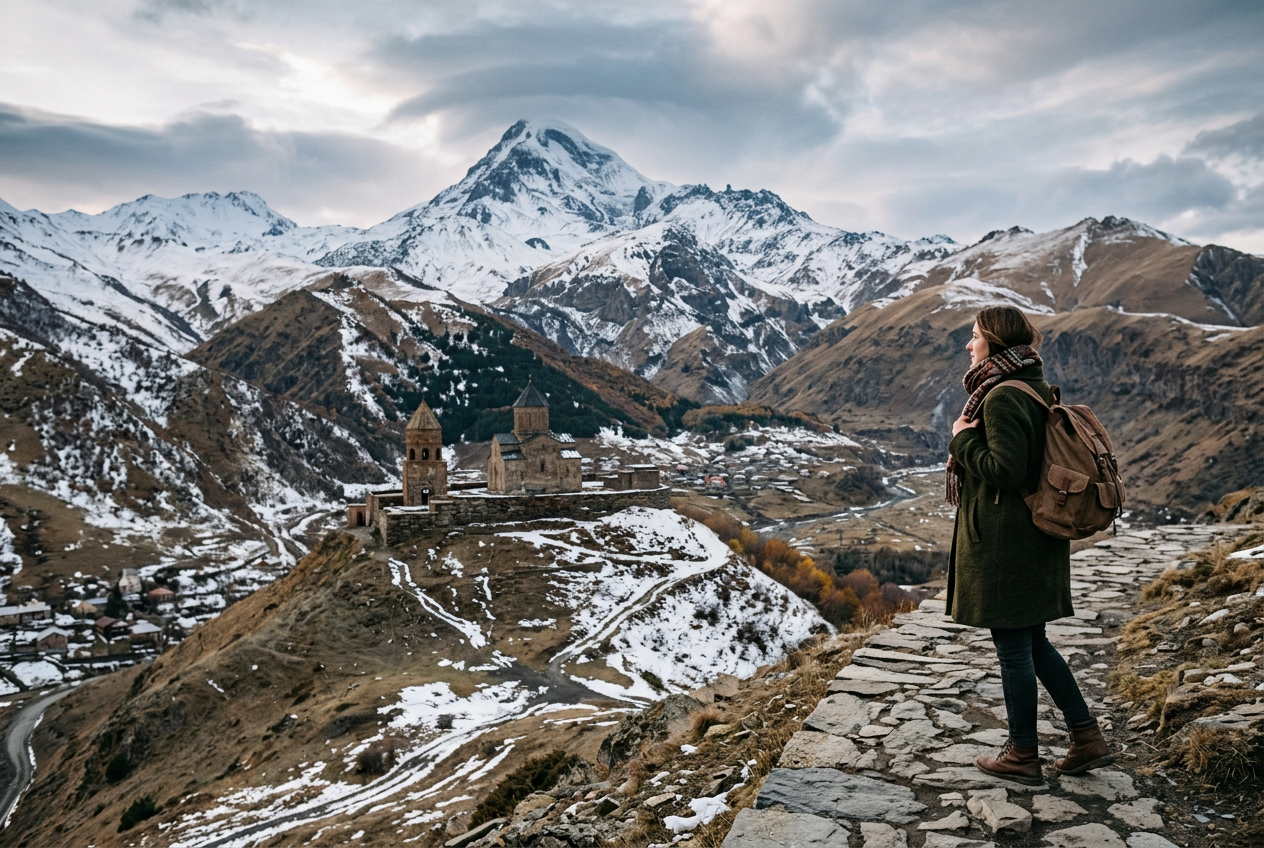
Georgia sits at the crossroads of Europe and Asia, a country where ancient monasteries cling to cliffsides, wine flows from 8,000-year-old qvevri vessels, and the hospitality runs so deep that locals say "stumari ghvtisaa" – the guest is a gift from God. But this small Caucasus nation has another compelling feature for budget-conscious travelers: it remains remarkably affordable, especially if you time your visit right.
So which is the cheapest month to visit Georgia? The short answer is February, followed closely by November and January. During these shoulder and off-season months, you'll find accommodation prices drop by 30-40% compared to peak periods, flights become significantly cheaper, and you'll share the cobblestone streets of Tbilisi's Old Town with far fewer tourists. The trade-off involves cooler weather and some mountain passes closing for snow, but for travelers willing to pack a warm jacket, the savings can be substantial.
I've watched travelers agonize over this decision, worried they'll miss out on the "real" Georgia by visiting during the quiet months. Here's what I wish someone had told me: the real Georgia – the supra feasts that last until midnight, the impromptu toasts from a tamada, the grandmother in Kakheti who insists you try her churchkhela – that Georgia exists year-round. The only difference is how much you'll pay for the privilege.
Identifying the Most Affordable Month to Visit Georgia
The Georgian tourism calendar follows predictable patterns that savvy travelers can exploit. Peak season runs from June through September, when European and American visitors flood Tbilisi, the Black Sea coast fills with regional tourists, and prices climb accordingly. A second mini-peak occurs during the ski season from late December through early February at resorts like Gudauri and Bakuriani.
The cheapest periods fall into the gaps between these peaks. February stands out as the most budget-friendly month for several reasons: the New Year holiday rush has ended, ski resorts are past their busiest weeks, and spring tourists haven't yet arrived. November offers similar advantages as autumn tourism winds down but before winter activities begin.
The November and February Advantage
February delivers the deepest discounts because it sits in a tourism dead zone. The Christmas and New Year crowds have departed, leaving hotels and guesthouses eager to fill empty rooms. Accommodation costs in February can be 30-40% lower compared to what you'd pay during summer months. A hotel room that costs 200 GEL per night in July might drop to 120-140 GEL in February.
November shares many of these characteristics. The wine harvest has concluded in Kakheti, the hiking crowds have dispersed from Kazbegi, and the ski season hasn't begun. You'll find locals more relaxed and willing to chat, restaurants less rushed, and that famous Georgian hospitality even more apparent when owners aren't managing summer crowds.
The practical benefits extend beyond accommodation. Tour operators offer discounted rates to maintain business during slow months. Wine tastings in Kakheti become more personal experiences rather than assembly-line affairs. Even the famous sulfur baths in Tbilisi's Abanotubani district have shorter queues.
Comparing High Season vs. Low Season Costs
| Expense Category | Peak Season (June-August) | Low Season (Feb/Nov) | Savings |
|---|---|---|---|
| Mid-range hotel (Tbilisi) | 180-250 GEL/night | 100-160 GEL/night | 35-40% |
| Guesthouse (Kazbegi) | 120-180 GEL/night | 70-100 GEL/night | 40-45% |
| Day tour (Kakheti wine) | 80-120 GEL | 50-80 GEL | 30-35% |
| Domestic flights | 150-200 GEL | 90-130 GEL | 35-40% |
These numbers add up quickly over a two-week trip. A couple traveling during February might save 1,500-2,000 GEL compared to an identical summer itinerary. That's enough to upgrade your accommodation, add extra wine tastings, or extend your trip by several days.
Seasonal Airfare Trends and Flight Savings
International flights represent the largest single expense for most Georgia visitors, and timing matters enormously. January is often the cheapest month to fly to Georgia from the United States, with average prices hovering around $613 for round-trip tickets. February follows closely, while summer flights can easily exceed $1,000.
From Europe, the patterns differ slightly. Budget carriers like Wizz Air operate frequent routes to both Tbilisi and Kutaisi, with November and February fares often dropping below €50 one-way from cities like Budapest, Vienna, and Warsaw. The key is flexibility: mid-week departures cost significantly less than weekend flights, and flying into Kutaisi rather than Tbilisi can halve your airfare.
Booking Strategies for Tbilisi and Kutaisi Airports
Kutaisi Airport deserves special attention from budget travelers. Located in western Georgia, it serves as Wizz Air's primary hub and offers dramatically cheaper fares than Tbilisi. The catch? You'll need to reach Tbilisi afterward, which adds about 4-5 hours by marshrutka or bus. During low season, this trade-off makes sense: save €80-100 on flights, spend 20-25 GEL on ground transport.
For Tbilisi flights, book 6-8 weeks ahead during off-season months. Prices don't fluctuate as dramatically as summer fares, but early booking still saves 15-20%. Consider connecting through Istanbul with Turkish Airlines or through Warsaw with LOT Polish Airlines, both of which offer competitive pricing to Tbilisi year-round.
Download the Bolt app before arrival. Airport transfers in Tbilisi cost 25-35 GEL via Bolt, compared to 50-70 GEL from taxi drivers waiting at arrivals. This small savings sets the tone for budget-conscious travel throughout your trip.
Accommodation and Lodging Discounts in the Off-Season
Georgia's accommodation landscape spans everything from €8 hostel dorms to €200 boutique hotels, with the sweet spot for budget travelers falling in the €15-40 range. During February and November, even this affordable market becomes cheaper, and negotiation becomes possible in ways that simply don't work during busy periods.
Hotel Rates in Tbilisi vs. Regional Guesthouses
Tbilisi offers the widest selection but not always the best value. Average hotel prices in Georgia can range from $40 per night for a 3-star hotel, but during off-season months, comparable rooms drop to $25-30. The neighborhoods of Vera and Saburtalo offer particularly good deals: slightly removed from the tourist center but well-connected by metro.
The real savings emerge in regional areas. Family-run guesthouses in Sighnaghi, Mestia, and Kazbegi depend heavily on seasonal tourism. When visitors thin out in November and February, owners become flexible on pricing. A guesthouse that charges 150 GEL per night in August might accept 80-90 GEL in February, especially for stays of three nights or longer.
These regional guesthouses offer something hotels cannot: immersion in Georgian family life. You'll eat homemade meals prepared by your host, hear stories about Soviet times from the older generation, and experience the hospitality that makes Georgia genuinely special. The post-1990 generation often speaks serviceable English, while older family members may prefer Russian or Georgian, creating a fascinating generational dynamic.
Ski Resort Pricing Outside of Peak Winter Months
Georgia's ski resorts present a unique pricing puzzle. Gudauri and Bakuriani reach peak prices during the New Year holiday period and Russian Orthodox Christmas in early January. By mid-February, prices begin dropping even though snow conditions remain excellent through March.
Late February and early March offer an interesting sweet spot: ski lift passes cost 20-30% less than January rates, accommodation drops significantly, and the slopes are less crowded. If you're flexible on skiing dates, these shoulder weeks within the ski season deliver remarkable value.
For non-skiers visiting during winter months, ski resort towns become surprisingly affordable. Hotels that charge premium rates for slope access drop prices for travelers simply passing through. A night in Gudauri during late February might cost half what it would during the New Year rush.
Daily Travel Expenses and Budget Management
Budget travelers can manage on $30-45 USD per day in Georgia, covering accommodation, food, local transport, and modest entertainment. During off-season months, that floor drops even lower, with careful travelers spending $25-35 daily without feeling deprived.
Dining Out and Local Food Costs
Georgian cuisine remains one of Europe's great bargains regardless of season. A plate of khinkali dumplings costs 1.50-2 GEL each at local restaurants, khachapuri runs 8-15 GEL depending on style and location, and a full meal with wine rarely exceeds 40-50 GEL per person at mid-range establishments.
Off-season pricing affects restaurants less dramatically than accommodation, but you'll notice differences in tourist-heavy areas. Restaurants along Tbilisi's Rustaveli Avenue and in the Old Town maintain prices year-round, while neighborhood spots in Marjanishvili or Didube offer better value and more authentic experiences.
The real savings come from markets and bakeries. Tbilisi's Dezerter Bazaar sells fresh bread, cheese, vegetables, and churchkhela at local prices. A breakfast of fresh tonis puri bread, suluguni cheese, and tomatoes costs under 10 GEL and tastes better than most hotel offerings.
Public Transportation and Intercity Marshrutkas
Georgia's public transport system remains remarkably cheap by European standards. Tbilisi metro rides cost 1 GEL regardless of distance. City buses run the same price. Marshrutka fares range from 5 GEL for short trips to 15 GEL from Tbilisi to Kazbegi, making intercity travel accessible even on tight budgets.
During off-season months, marshrutka schedules thin out on some routes, particularly to mountain areas. The Tbilisi-Mestia route runs less frequently in November, and winter weather can delay or cancel departures. Check schedules at Didube station rather than relying solely on apps, and build flexibility into your itinerary.
For longer distances, Georgian Railways offers comfortable overnight trains between Tbilisi and Batumi or Zugdidi. Second-class sleeper berths cost 25-35 GEL and provide a uniquely Georgian experience: sharing a compartment with locals, drinking tea from the samovar, watching the countryside slide past.
The Trade-off Between Low Prices and Weather Conditions
February in Tbilisi brings temperatures hovering around 2-8°C, occasional rain, and short daylight hours. November offers slightly milder weather but increased rainfall. Neither month matches the pleasant warmth of May or September, and this weather reality explains why prices drop.
Mountain regions experience more significant limitations. The Kazbegi highway occasionally closes for snow, the Mestia road becomes challenging, and high-altitude hiking trails remain inaccessible. If trekking through Svaneti or summiting Kazbegi represents your primary goal, February isn't your month.
However, Tbilisi and the lowland wine regions remain fully accessible year-round. Kakheti's wineries welcome visitors throughout winter, the sulfur baths feel even more appealing in cold weather, and Tbilisi's museums, restaurants, and nightlife operate normally. The city takes on a different character during quiet months: more intimate, less performative, closer to how locals actually live.
Georgia is considered a budget-friendly destination, offering excellent value for money regardless of when you visit. The off-season simply amplifies these savings while adding a layer of authenticity that crowded summer months cannot match.
Money-Saving Tips for Your Georgian Adventure
Beyond timing your visit for February or November, several strategies maximize your budget throughout your trip.
Exchange money at official exchange bureaus rather than banks or airports. Rates in Tbilisi's center are competitive and transparent, with no commission fees at reputable offices. Avoid exchanging at Tbilisi Airport, where rates run 5-8% worse than city center options.
Learn basic Georgian phrases. While the post-2003 generation increasingly speaks English, older Georgians often prefer Russian or Georgian. A simple "gamarjoba" greeting and "madloba" thank you opens doors and occasionally unlocks local pricing that tourists don't receive.
Book directly with guesthouses when possible. Booking platforms charge commissions that owners often pass to guests. A phone call or WhatsApp message to a guesthouse frequently yields rates 10-15% below listed prices, especially during slow months when owners appreciate guaranteed bookings.
Use Google Translate's offline Georgian language pack. Download it before arrival to navigate menus, signs, and conversations when English speakers aren't available. The camera translation feature works surprisingly well with Georgian script.
Consider a SIM card from Magti or Geocell immediately upon arrival. Data costs are minimal, and having reliable internet enables Bolt for transport, Google Maps for navigation, and real-time translation. Airport kiosks sell tourist SIM packages for 15-25 GEL with generous data allowances.
The cheapest month to visit Georgia delivers more than financial savings. February and November strip away the tourist veneer, revealing a country where strangers become friends over chacha toasts, where every meal threatens to become a three-hour feast, and where the ancient tradition of hospitality remains gloriously intact. Your wallet will thank you, but the memories of a quieter, more authentic Georgia will prove far more valuable than any discount.