
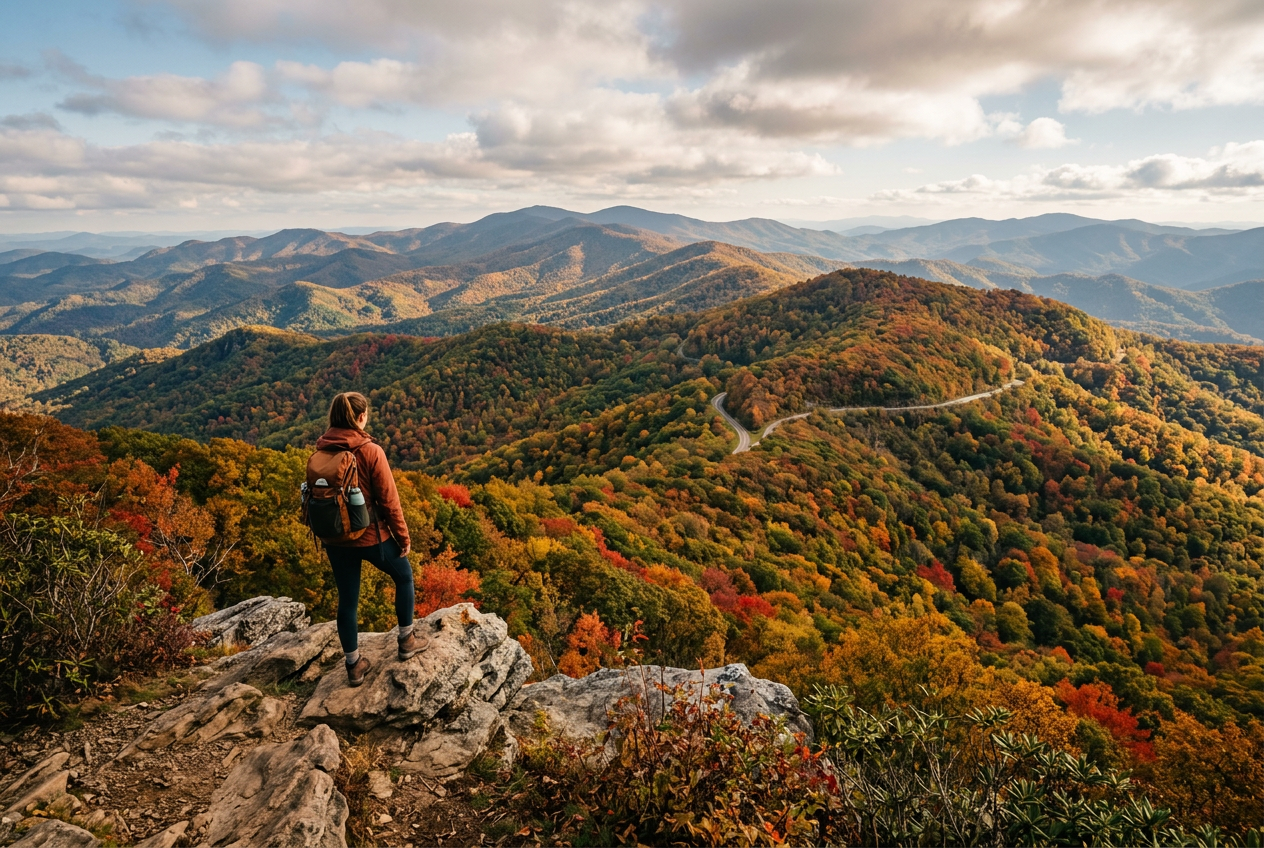
The question of when to visit the Georgia mountains doesn’t have a simple answer, and that’s actually what makes planning a trip here so rewarding. The Blue Ridge Mountains of North Georgia offer dramatically different experiences depending on the month you arrive. Spring brings cascading waterfalls swollen with snowmelt and hillsides painted in azalea blooms. Summer offers cool refuge from the sweltering lowlands. Autumn transforms the landscape into a photographer’s paradise of crimson and gold. Winter delivers quiet solitude and surprisingly charming holiday traditions.
Georgia’s tourism numbers tell a compelling story about the state’s appeal. The state welcomed 171 million visitors in 2023, generating a staggering $79.7 billion economic impact. A significant portion of those travelers head north to the mountains, seeking everything from romantic cabin weekends to family adventure trips. The Blue Ridge Mountains are unique because there truly is no wrong time of year to visit – each season simply offers a different version of mountain magic.
What follows is a season-by-season breakdown that will help you match your travel goals with the ideal time to pack your bags.
Overview of Seasonal Beauty in the Blue Ridge Mountains
The Georgia mountains occupy a sweet spot in the Southern Appalachians where elevation creates microclimates distinct from the rest of the state. Towns like Blue Ridge sit around 1,800 feet, while Brasstown Bald – Georgia’s highest point – reaches 4,784 feet. This elevation difference means temperatures can vary by 10-15 degrees from Atlanta, making the mountains a genuine escape rather than just a change of scenery.
The Blue Ridge region encompasses several distinct areas, each with its own character. The town of Blue Ridge itself has become a hub for food and wine enthusiasts, with a charming downtown and scenic railroad. Helen offers a quirky Bavarian village atmosphere that feels transported from the Alps. Dahlonega carries the legacy of America’s first gold rush alongside its thriving wine country. Ellijay has claimed the title of Georgia’s apple capital, drawing thousands during harvest season.
| Season | Temperature Range | Primary Attractions | Crowd Level |
|---|---|---|---|
| Spring (Mar-May) | 45-75°F | Waterfalls, wildflowers, hiking | Moderate |
| Summer (Jun-Aug) | 65-85°F | Lakes, high-altitude trails, tubing | High |
| Autumn (Sep-Nov) | 40-70°F | Foliage, festivals, apple picking | Very High |
| Winter (Dec-Feb) | 25-50°F | Holiday events, cozy cabins | Low |
Understanding these seasonal patterns helps you choose not just what you’ll experience, but how you’ll experience it. Peak foliage season means stunning views but also packed restaurants and premium cabin rates. A February visit might mean bare trees, but it also means having hiking trails to yourself and finding last-minute cabin deals.
Spring: Wildflowers and Waterfall Chasing
Spring arrives gradually in the Georgia mountains, creeping up the slopes from late March through May. The season brings reliable rainfall that transforms the region’s waterfalls from modest trickles into thundering cascades. Temperatures hover in the comfortable 50s and 60s during the day, though nights can still dip into the 40s at higher elevations.
The forest floor awakens first, with trilliums, bloodroot, and violets carpeting the woodland understory before the tree canopy fills in. This window – typically mid-March through mid-April – offers some of the best wildflower viewing because sunlight still reaches the forest floor. Hikers who time their visits right can witness the progression from early spring ephemerals to the showier blooms of late spring.
Peak Bloom Times for Azaleas and Rhododendrons
The native azaleas begin their show in April, with flame azaleas bringing splashes of orange and yellow to the mountainsides. These wild cousins of the cultivated varieties found in Atlanta gardens bloom at different times depending on elevation. Lower elevations peak in mid-April, while higher slopes may not reach full bloom until early May.
Rhododendrons follow the azaleas, with the Catawba rhododendron creating purple-pink displays from mid-May into June. The best viewing spots include the trails around Blood Mountain and the Appalachian Trail sections north of Springer Mountain. Local experts recommend checking bloom reports from the Chattahoochee National Forest before planning a dedicated wildflower trip, as timing can shift by a week or two depending on winter temperatures.
Optimal Conditions for North Georgia Waterfalls
Spring rains and snowmelt from higher elevations create ideal waterfall conditions from March through early May. Amicalola Falls – the tallest cascading waterfall east of the Mississippi at 729 feet – reaches its most impressive flow during this period. The 604-step climb to the top rewards visitors with views that justify every burning thigh muscle.
Anna Ruby Falls near Helen runs strong through spring, fed by two creeks that merge just above the viewing platform. Toccoa Falls, located on a college campus, offers easy access and a 186-foot drop that photographs beautifully in morning light. DeSoto Falls near Dahlonega provides multiple cascades along a moderate hiking trail. The key is arriving early – by 9 AM if possible – to beat the crowds and catch the best lighting conditions.
Summer: Escaping the Heat at Higher Elevations
When Atlanta bakes under 95-degree heat and oppressive humidity, the Georgia mountains offer genuine relief. Temperatures at higher elevations run 10-15 degrees cooler than the piedmont, and the shade of mature hardwood forests makes hiking bearable even in July. Summer is peak season for families, which means busier trails and higher accommodation prices, but the trade-off is long daylight hours and reliable weather.
The mountain towns come alive in summer with outdoor dining, live music, and festivals. Blue Ridge’s downtown fills with visitors browsing antique shops and sampling local restaurants. Helen’s tubing outfitters run at full capacity, sending thousands of visitors floating down the Chattahoochee River each weekend.
Water Activities on Lake Blue Ridge and Lake Burton
Lake Blue Ridge covers 3,290 acres and offers some of the clearest water in North Georgia. The lake’s relatively undeveloped shoreline creates a wilderness feel despite its proximity to the town of Blue Ridge. Kayak and paddleboard rentals are available at several marinas, and the calm morning waters make for excellent early sessions before afternoon winds pick up.
Lake Burton, located further east near Clayton, caters to a more upscale crowd with its private lakefront homes and country club atmosphere. Public boat ramps provide access for fishing and water sports. The lake is known for excellent bass fishing, with spotted and largemouth bass thriving in its cool, deep waters. Moccasin Creek State Park offers camping and a small beach area for those seeking a more rustic experience.
The Best High-Altitude Hiking Trails for Cooler Air
Blood Mountain, at 4,458 feet, offers the most accessible high-altitude hiking in North Georgia. The trail from Byron Reece parking area covers 2.1 miles each way with 1,500 feet of elevation gain – challenging but manageable for fit hikers. The stone shelter at the summit provides shade and the views stretch for miles on clear days.
Rabun Bald, Georgia’s second-highest peak at 4,696 feet, sees far fewer visitors than Blood Mountain despite offering equally impressive views. The hike from Beegum Gap covers 3 miles and gains about 1,000 feet. A wooden observation platform at the top provides 360-degree views into Georgia, North Carolina, and South Carolina.
For families or those seeking easier options, the trails around Vogel State Park stay cooler thanks to the shade of Trahlyta Falls and the breeze off Lake Trahlyta. The park’s location at 2,500 feet provides noticeable relief from lowland heat.
Autumn: The Most Popular Time for Peak Foliage
Fall foliage season transforms the Georgia mountains into a destination that rivals New England for color intensity. The combination of diverse tree species – maples, oaks, hickories, and sourwoods – creates a tapestry of reds, oranges, yellows, and purples that shifts daily from late September through mid-November. This is when visitors spend billions exploring Georgia’s attractions, with the mountains claiming a substantial share.
The season brings perfect hiking weather, with crisp mornings, warm afternoons, and low humidity. As local experts note, there is no better place to be than the North Georgia Mountains in the fall, with mild temperatures and beautiful scenery creating ideal conditions for outdoor exploration.
Predicting the Leaf Watch: Late October vs. Early November
Peak foliage timing depends on elevation and weather patterns, but general rules apply. Higher elevations above 3,500 feet typically peak in mid-to-late October, while lower elevations around 2,000 feet reach their best color in early-to-mid November. A cold snap in early October can accelerate the process, while warm weather can delay it.
The Georgia Department of Natural Resources publishes weekly fall color reports starting in late September. Experienced leaf-peepers know to check these reports and plan flexible itineraries. A visit during the first week of November might find peak color at lower elevations while higher areas have already dropped their leaves. The scenic drives along Highway 180 to Brasstown Bald and the Russell-Brasstown Scenic Byway offer some of the most reliable color viewing.
Harvest Festivals and Apple Picking in Ellijay
Ellijay’s apple orchards draw massive crowds during harvest season, which runs from late August through November. The town hosts the Georgia Apple Festival on two consecutive weekends in October, featuring over 300 craft vendors, live entertainment, and more apple-related foods than you knew existed.
Beyond the festival, numerous orchards offer pick-your-own experiences. Hillcrest Orchards combines apple picking with a petting zoo, pig races, and wagon rides – making it particularly popular with families. Mercier Orchards operates a massive farm market selling fresh cider, apple butter, and fried apple pies alongside U-pick options. The Georgia Mountain Fall Festival in Hiawassee runs from October 11-19, adding another major event to the autumn calendar.
Winter: Cozy Getaways and Holiday Charm
Winter transforms the Georgia mountains into a quieter, more intimate destination. The crowds thin dramatically after Thanksgiving, cabin rental prices drop, and the mountain towns take on a cozy character. While snow isn’t guaranteed, the possibility adds excitement to any winter visit. Temperatures range from the mid-20s at night to the mid-40s during the day, cold enough for a crackling fire but rarely brutal.
The bare trees reveal views hidden during leafy seasons – rock outcroppings, distant ridgelines, and the underlying structure of the mountains become visible. Winter hiking offers its own rewards for those willing to layer up and hit the trails.
Experiencing a Bavarian Christmas in Helen
Helen’s German-themed architecture comes into its own during the holiday season. The town hosts a traditional Christkindlmarkt featuring German food, hot spiced wine, and European-style crafts. Thousands of lights transform the alpine village into a winter wonderland that feels genuinely transported from Bavaria.
The celebration runs from mid-November through early January, with peak activity on December weekends. Horse-drawn carriage rides through downtown, visits with Santa in the town square, and the aroma of roasted almonds and bratwurst create an atmosphere unlike anywhere else in Georgia. Accommodations fill quickly on December weekends, so booking several weeks in advance is essential.
Chances of Snow and Ice at Brasstown Bald
Snow reaches the Georgia mountains several times each winter, though accumulations vary dramatically by year. Brasstown Bald, at nearly 4,800 feet, sees the most reliable snowfall – typically 5-10 inches annually, though some years bring significantly more. The access road closes when conditions become dangerous, but the visitor center opens when possible and offers stunning views of snow-dusted peaks.
Lower elevations around Blue Ridge and Helen might see 2-4 snow events per winter, usually leaving just a few inches that melts within days. The unpredictability is part of the charm – a winter cabin trip might deliver a magical snow morning or simply crisp, clear weather perfect for hiking.
Planning Your Trip Around Crowds and Costs
Smart timing can save hundreds of dollars and dramatically improve your mountain experience. The difference between a peak weekend in October and a quiet week in February involves not just price but the entire character of your trip.
Budget-Friendly Times for Cabin Rentals
January through early March offers the lowest cabin rental prices, often 30-40% below peak season rates. The weeks between Thanksgiving and Christmas also provide value, as families focus on holiday preparations rather than travel. Mid-week stays year-round cost less than weekend bookings, sometimes by $50-100 per night.
The sweet spots for value combined with good weather fall in late April, early May, and mid-September. These shoulder seasons offer pleasant temperatures, manageable crowds, and prices below summer and fall peaks. Booking 4-6 weeks ahead typically secures availability without requiring the 3-6 month lead times necessary for peak fall weekends.
Avoiding the Weekend Traffic in Mountain Towns
Friday afternoon traffic heading north from Atlanta can turn a 90-minute drive into a three-hour crawl during peak seasons. Leaving Thursday evening or very early Friday morning avoids the worst congestion. Alternatively, planning arrivals for Saturday morning and departures for Monday means driving against the flow.
Within the mountain towns, weekday visits to popular attractions like Helen’s downtown or Amicalola Falls offer dramatically different experiences than weekend visits. A Tuesday morning at Anna Ruby Falls might mean having the viewing platform to yourself, while a Saturday afternoon means waiting in line.
The Georgia mountains reward visitors year-round, each season offering distinct experiences worth seeking. Whether you’re chasing waterfalls in April, escaping heat in July, photographing foliage in October, or sipping hot cider by a cabin fire in January, the Blue Ridge region delivers. The best time to visit depends entirely on what you’re seeking – and the mountains are ready whenever you arrive.