
Georgia sits at the crossroads of Europe and Asia, a country where ancient stone towers pierce alpine meadows and vineyards cascade down sun-drenched valleys. The question of what's the best month to go to Georgia doesn't have a single answer, and anyone who tells you otherwise hasn't spent enough time there. This small Caucasian nation packs dramatic climate variations into a territory roughly the size of Ireland, meaning the "perfect" time depends entirely on what you want to do and where you plan to go.
The country welcomed 13.92 million overnight visitors in 2024, including over 5 million international tourists. Those numbers keep climbing, with international arrivals increasing 6% year-on-year in 2025. Georgia's tourism boom shows no signs of slowing, which makes timing your visit more important than ever if you want to avoid the crush of peak season crowds while still catching favorable weather.
I've tracked travel patterns across Georgia for years, and the sweet spot consistently falls in the shoulder seasons. Spring brings wildflower explosions across the highlands. Autumn delivers wine harvest celebrations and golden light that photographers chase across the Kakheti region. But summer has its defenders, and even winter transforms certain destinations into unexpected paradises. Let me break down exactly when to book your flight based on your priorities.
Determining the Peak Times to Visit Georgia
The Allure of Spring: April to June
Spring transforms Georgia into something almost impossibly green. Snow melts from the lower elevations while higher peaks retain their white caps, creating postcard-perfect contrasts visible from Tbilisi's hillside neighborhoods. April can still feel unpredictable, with occasional rain showers sweeping through the valleys, but May and June deliver some of the most consistently pleasant conditions you'll find anywhere in the region.
Temperatures in Tbilisi climb from the mid-teens in April to comfortable mid-twenties by June. The countryside explodes with wildflowers, particularly in the Tusheti and Svaneti regions where alpine meadows turn into carpets of color. This period offers excellent hiking conditions at moderate elevations, though high mountain passes may remain closed until late June depending on snowpack.
The practical advantage of spring travel comes down to crowd levels. You'll encounter far fewer tourists than during the summer rush, meaning shorter lines at popular sites like the Gergeti Trinity Church and easier restaurant reservations in Tbilisi's old town. Guesthouses in remote villages actually have availability, and local guides have more flexibility in their schedules.
The Golden Autumn: September and October
If forced to name a single best time to visit Georgia, most seasoned travelers point to September and October. The summer heat has broken, the crowds have thinned, and the entire country prepares for Rtveli, the traditional grape harvest that defines Georgian culture. As one travel expert notes, "Late spring (May-June) and early autumn (September-October) generally offer the best balance of pleasant weather, fewer crowds, and active cultural calendars."
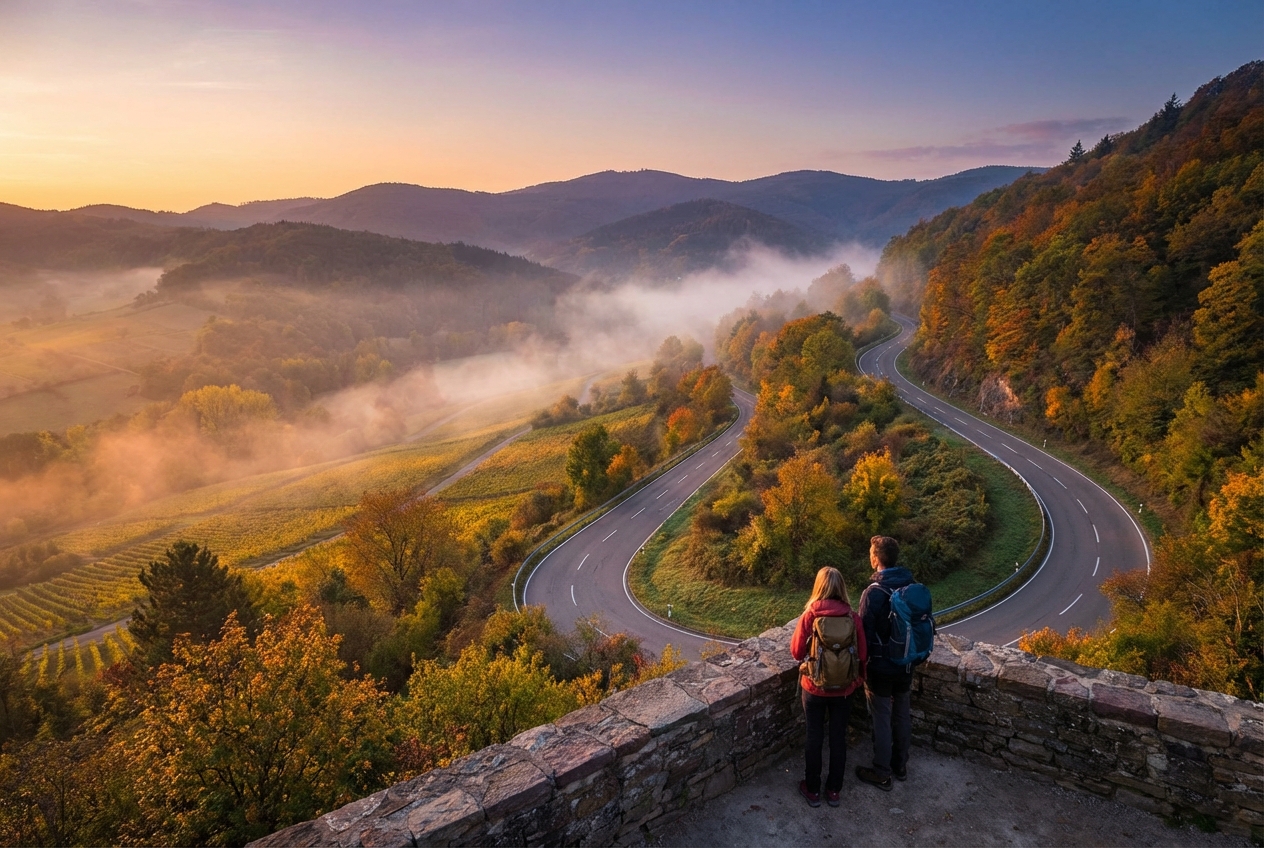
Autumn light in Georgia has a particular quality that transforms ordinary landscapes into something magical. The vineyards of Kakheti turn amber and gold, while the forests blanketing the Lesser Caucasus shift through every shade of red and orange. Photography enthusiasts specifically target this window for good reason.
September maintains warm temperatures, often reaching the mid-twenties in Tbilisi, while October cools to the high teens. Rain becomes more frequent as the season progresses, but showers typically pass quickly. The harvest atmosphere infuses everything with energy, from impromptu roadside wine tastings to elaborate supra feasts celebrating the year's vintage.
Seasonal Climate and Regional Differences
Tbilisi and the Lowlands
Georgia's capital experiences a humid subtropical climate tempered by its position in a sheltered valley. Summer temperatures regularly exceed 35°C, making July and August uncomfortable for extensive walking. The old town's narrow streets trap heat, and air conditioning remains inconsistent in budget accommodations.
Winter brings mild conditions compared to northern Europe, with temperatures hovering around 2-5°C in January. Snow falls occasionally but rarely accumulates in the city. The lowland regions surrounding Tbilisi, including much of Kakheti wine country, follow similar patterns.
| Season | Tbilisi Temp Range | Rainfall | Best For |
|---|---|---|---|
| Spring (Apr-Jun) | 12-26°C | Moderate | Sightseeing, wine tours |
| Summer (Jul-Aug) | 22-35°C | Low | Mountain escapes |
| Autumn (Sep-Oct) | 14-25°C | Moderate | Harvest festivals, hiking |
| Winter (Nov-Mar) | 0-8°C | Moderate | Budget travel, skiing |
The High Caucasus Mountains
The mountain regions operate on entirely different rules. Svaneti, Tusheti, and Kazbegi experience harsh winters with heavy snowfall that closes roads for months. The famous Abano Pass leading to Tusheti typically opens in late June and closes again by mid-October, weather permitting.
Summer represents the only viable window for high-altitude trekking, with July and August offering the most stable conditions. Even then, afternoon thunderstorms roll through regularly, and temperatures drop sharply after sunset. Nighttime temperatures in mountain villages can fall below 10°C even in August.
Kazbegi remains accessible year-round via the Georgian Military Highway, though winter driving requires caution. The region offers surprisingly good conditions in September, when the summer crowds have departed but the road remains clear. Snow begins accumulating at higher elevations by late October.
The Subtropical Black Sea Coast
Batumi and the surrounding coastline exist in their own microclimate, receiving far more rainfall than the rest of Georgia. The Black Sea moderates temperatures year-round, creating mild winters and humid summers. This region sees its peak tourist season from June through August, when domestic visitors flood the beaches.
Spring arrives early on the coast, with warm temperatures by late April. Autumn extends well into November, offering pleasant conditions long after the rest of the country has cooled. The trade-off comes in rainfall, which peaks in autumn and winter, sometimes delivering dramatic storms that sweep in from the sea.
Best Months for Specific Activities
Hiking and Outdoor Adventure
Serious trekkers should target July through mid-September for high-altitude routes. The Mestia to Ushguli trek in Svaneti requires clear passes, typically available from late June. The Tusheti region offers even more remote wilderness but operates on an even tighter window due to its single access road.
Moderate hiking at lower elevations works beautifully in May, June, September, and October. The Truso Valley near Kazbegi, the trails around Borjomi, and the hills surrounding Sighnaghi all offer excellent conditions during these months without the complications of high-altitude weather.
Mountain biking has exploded in popularity around Mestia, where purpose-built trails now attract international riders. The season runs from late June through September, with August offering the driest conditions. Several operators now offer guided multi-day trips combining riding with cultural experiences.
Wine Harvest (Rtveli) and Gastronomy
Rtveli typically falls in September and early October, though exact timing varies by grape variety and weather conditions. The Kakheti region, home to most of Georgia's vineyards, transforms during this period. Families gather to pick grapes, crush them in traditional qvevri vessels, and celebrate with marathon feasts.
Visitors during Rtveli can participate in harvest activities at many family wineries and guesthouses. The experience goes beyond wine tasting, offering genuine immersion in traditions that stretch back 8,000 years. Booking accommodation well in advance becomes essential, as this period draws wine enthusiasts from around the world.
Georgian cuisine shines year-round, but autumn brings particular abundance. Fresh walnuts appear in markets, pomegranates ripen, and the mushroom harvest fills restaurant menus with seasonal dishes. The combination of harvest energy and autumn flavors makes September and October the peak months for food-focused travel.
Skiing and Winter Sports
Georgia's ski industry has developed rapidly, with Gudauri emerging as the country's premier resort. The season runs from December through April, with February and March typically offering the best snow conditions. Lift passes and accommodation cost a fraction of comparable European resorts, attracting budget-conscious skiers from across the region.
Bakuriani, the older and more traditional resort, caters to families and beginners. Mestia has developed into a backcountry skiing destination, drawing advanced skiers seeking untouched powder and dramatic Caucasian scenery. Heli-skiing operations now run from several bases, accessing terrain that rivals anything in the Alps.
Winter visitors should note that many mountain guesthouses close entirely from November through May. Gudauri maintains full services throughout the ski season, but smaller villages effectively shut down. Planning around this reality becomes essential for winter travel outside established resort areas.
Navigating Crowds and Travel Costs
Peak Summer Tourism (July and August)
Summer brings the heaviest tourist traffic, particularly from neighboring countries. Russian, Turkish, and Middle Eastern visitors flood Batumi's beaches, while Tbilisi's old town fills with tour groups navigating narrow streets. Popular sites like Vardzia cave monastery and the Prometheus Cave require patience and advance booking.
Accommodation prices spike during peak season, sometimes doubling compared to shoulder months. Budget travelers face particular challenges, as hostels fill quickly and cheap guesthouses become scarce in popular areas. The combination of heat, crowds, and higher costs makes summer the least appealing option for many visitors.
The exception comes in the mountains, where summer represents the only practical window for many destinations. If your itinerary focuses on Svaneti, Tusheti, or high-altitude trekking, you'll need to accept summer timing and book well ahead.
Budget Travel in the Off-Season
Georgia remains remarkably affordable by European standards. A budget backpacker can travel for between $14 and $50 USD daily, depending on comfort level and travel style. These figures drop further during off-peak months when guesthouses negotiate rates and restaurants offer specials to attract sparse crowds.
Winter travel, excluding ski resorts, offers the deepest discounts. November through March sees minimal tourism outside specific destinations, meaning empty guesthouses and eager hosts. The trade-off comes in reduced services, closed mountain roads, and shorter daylight hours.
Total spending by foreign visitors reached 15 billion GEL in 2025, reflecting both increased arrivals and rising prices. Early booking for shoulder season travel helps lock in reasonable rates before the market adjusts further.
Cultural Festivals and Public Holidays
Georgian festivals cluster around religious holidays and seasonal celebrations. Orthodox Easter, which falls on different dates than Western Easter, brings elaborate church services and traditional feasting. The week following Easter sees many Georgians traveling to family villages, which can complicate accommodation availability.
Tbilisoba, the capital's birthday celebration, occurs in late October. The festival fills the old town with concerts, craft markets, and food stalls showcasing regional specialties. It's a wonderful time to experience Georgian hospitality, though the city becomes noticeably busier.
Independence Day on May 26 brings patriotic celebrations and occasional closures. New Year remains the biggest holiday, with festivities extending well into January. Traveling during the first week of January means encountering a country in full celebration mode, with many businesses operating on reduced schedules.
Final Verdict: Choosing Your Perfect Month
The best month to visit Georgia depends on your priorities, but September emerges as the closest thing to a universal answer. The weather cooperates across most regions, the wine harvest creates unforgettable cultural experiences, and crowds have thinned from summer peaks. May offers a strong alternative for those preferring spring conditions and earlier booking windows.
Hikers targeting high-altitude routes should plan for July or August despite the crowds. Skiers need December through March. Budget travelers find the best value in November or March, accepting weather trade-offs for significant savings.
With tourism revenues projected at $4.5 billion in 2025, Georgia's popularity will only grow. Book your preferred dates early, particularly for shoulder season travel when demand increasingly outstrips supply. The country rewards visitors who time their arrival thoughtfully, offering experiences that range from alpine wilderness to ancient wine traditions depending on when you choose to arrive.