
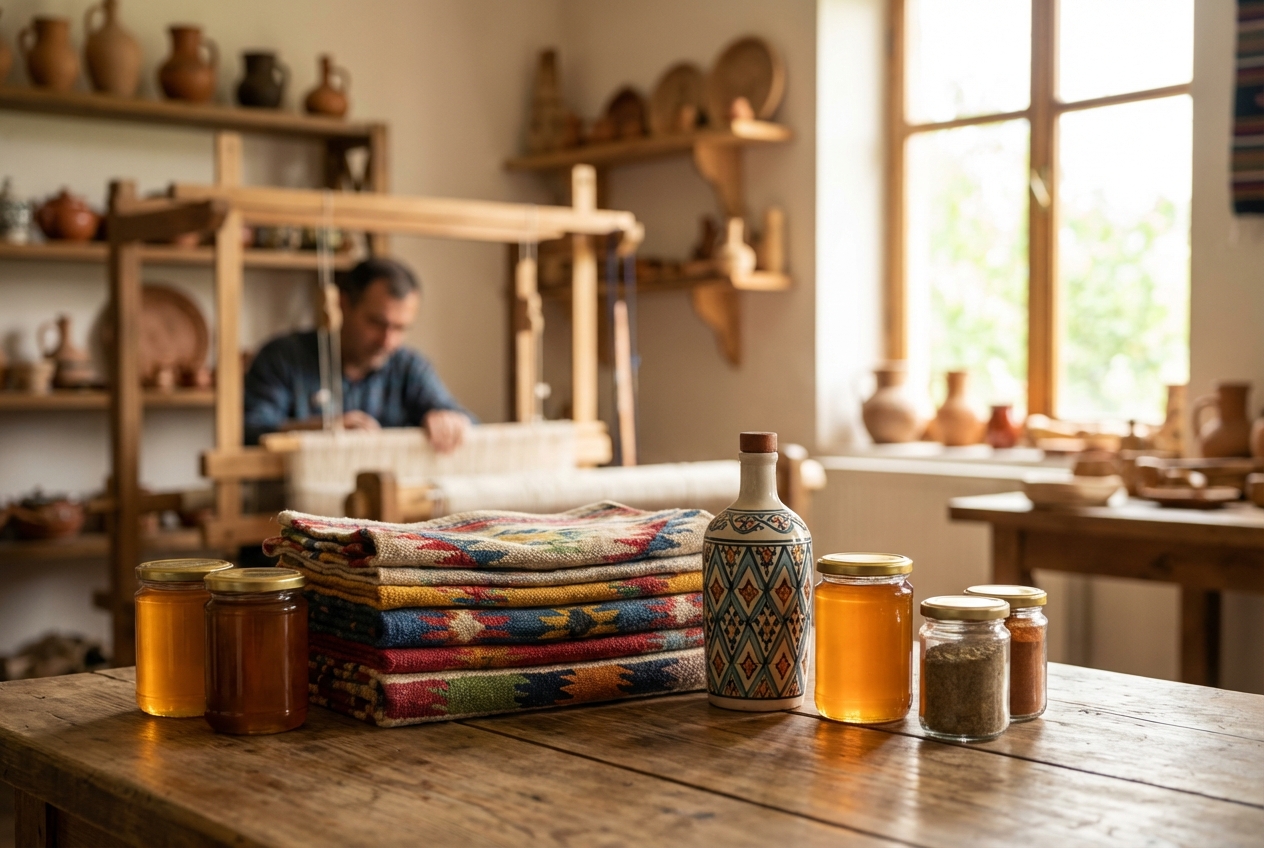
Georgia sits at the crossroads of Europe and Asia, and this tiny Caucasus nation has accumulated a staggering cultural wealth that far exceeds its modest size. Travelers who wander through Tbilisi's cobblestone streets, hike the dramatic Svaneti highlands, or sample wine in Kakheti's rolling vineyards inevitably face the same delightful dilemma: what to bring home that captures the essence of this extraordinary place?
Finding a good souvenir from Georgia means looking beyond generic tourist trinkets. The best mementos here carry centuries of tradition, whether that's a bottle of amber wine made using methods unchanged for millennia or a piece of intricate enamel jewelry that took weeks to craft. Unlike mass-produced keepsakes, Georgian souvenirs often tell stories of specific regions, families, and techniques passed down through generations.
What makes shopping in Georgia particularly rewarding is the accessibility of authentic goods. You're not hunting through tourist traps hoping to find something genuine. Instead, you'll discover that traditional crafts remain living practices here, with artisans still producing items their grandparents would recognize. From the aromatic spice blends in market stalls to handwoven textiles in mountain villages, Georgia offers souvenirs that are both meaningful and genuinely useful.
The Essence of Georgia: Traditional Food and Drink
Georgian cuisine has earned international recognition, and bringing home edible souvenirs lets you extend your culinary journey long after your flight lands. The country's food traditions reflect its geographic position and agricultural abundance, resulting in distinctive flavors you simply cannot replicate elsewhere.
Georgian Wine and Qvevri Culture
Georgia holds a legitimate claim as the birthplace of wine, with an 8,000-year winemaking history that predates European viticulture by thousands of years. This isn't marketing hyperbole: archaeological evidence supports Georgia's status as the "cradle of wine," and the traditional qvevri method remains a UNESCO-recognized cultural treasure.
Qvevri are large clay vessels buried underground where grape juice ferments and ages, creating wines with distinctive amber hues and complex tannin structures. The most famous varieties include Saperavi, Rkatsiteli, and Kindzmarauli, each offering different flavor profiles. Saperavi produces deep, dark reds with intense fruit notes, while Rkatsiteli amber wines deliver something entirely unlike conventional whites.
When purchasing wine, look for bottles specifically labeled as qvevri-made if you want the traditional style. Prices range from 15 to 200 GEL depending on the producer and vintage. Smaller boutique wineries in Kakheti often produce exceptional bottles that never reach export markets, making them perfect souvenirs.
Churchkhela: The Natural Georgian Candy
Strings of churchkhela hang in every Georgian market like colorful sausages, and these traditional sweets make ideal gifts. The process involves threading walnuts, hazelnuts, or almonds onto a string, then repeatedly dipping them in thickened grape juice until a chewy coating forms. No artificial ingredients, no preservatives: just nuts and fruit.
Different regions produce variations using local grape varieties, resulting in colors ranging from deep purple to golden brown. Churchkhela keeps for months when stored properly, travels well, and introduces recipients to Georgian flavors without requiring cooking skills. A single string costs just 3-5 GEL at markets, making it an affordable gift that punches well above its price point.
Spices and Sauces: Khmeli Suneli and Ajika
Georgian cooking relies on specific spice blends that transform ordinary ingredients into something memorable. Khmeli suneli combines fenugreek, coriander, savory, and other herbs into an aromatic mix essential for dishes like kharcho soup and chakhokhbili chicken stew. Pre-mixed packets cost almost nothing and weigh next to nothing in your luggage.
Svanetian salt deserves special attention. This blend from the mountainous Svaneti region mixes salt with garlic, blue fenugreek, and various herbs, creating a seasoning that elevates everything from grilled meat to simple vegetables. Ajika, a fiery paste made from hot peppers, garlic, and herbs, appeals to spice lovers and keeps indefinitely when refrigerated.
| Spice/Sauce | Primary Use | Shelf Life | Price Range |
|---|---|---|---|
| Khmeli Suneli | Soups, stews, meat dishes | 1-2 years | 2-5 GEL |
| Svanetian Salt | All-purpose seasoning | Indefinite | 3-8 GEL |
| Ajika | Condiment, marinade base | 6+ months refrigerated | 5-15 GEL |
| Tkemali | Plum sauce for grilled meats | 1 year unopened | 4-10 GEL |
Handcrafted Textiles and Wearable Heritage
Georgia's textile traditions reflect both practical mountain living and elaborate ceremonial culture. These items require significant skill to produce, and purchasing them directly supports artisans maintaining techniques that might otherwise disappear.
Lurji Supra: The Traditional Blue Tablecloth
The Georgian supra, or feast, represents more than a meal: it's a social institution with specific rituals, toasts, and traditions. The blue tablecloth, known as lurji supra, serves as the ceremonial foundation for these gatherings. According to traditional sources, "Georgian Blue Tablecloths are an integral part of Georgian cultural heritage, decorated with plants, birds, and other traditional motifs."
Authentic lurji supra tablecloths feature intricate patterns printed or woven onto cotton or linen fabric. The distinctive blue color carries symbolic significance, representing hospitality and abundance. These tablecloths range from affordable factory-printed versions at 30-50 GEL to handcrafted heirloom pieces costing several hundred lari.
Buying a lurji supra means bringing home a functional piece of Georgian culture. Use it for your own dinner parties and share the story of Georgian feasting traditions with your guests.
Papakhi Wool Hats and Traditional Carpets
The papakhi, a tall wool hat worn throughout the Caucasus, makes a statement piece whether you actually wear it or display it. Made from sheep or goat wool, these hats provided warmth for shepherds in mountain pastures and became symbols of Georgian identity. Quality papakhi hats cost 50-150 GEL depending on the wool type and craftsmanship.
Georgian carpets and rugs represent a more significant investment but offer remarkable value compared to similar handwoven pieces from other countries. Regional styles vary considerably: Kakhetian carpets feature geometric patterns in earth tones, while pieces from other areas incorporate more elaborate floral designs. Smaller rugs suitable for wall hanging start around 200 GEL, with larger floor carpets commanding prices into the thousands.
For travelers without room for full carpets, consider smaller woven items like bags, belts, or decorative panels. These showcase the same techniques at more accessible price points and pack easily.
Artisanal Jewelry and Metalwork
Georgian metalworking traditions date back millennia, and contemporary artisans continue producing pieces that blend ancient techniques with modern aesthetics. These items often represent the most memorable souvenirs, combining artistic merit with wearable functionality.
Minankari: Cloisonné Enamel Jewelry
Minankari enamel jewelry represents Georgia's most distinctive contribution to decorative arts. This cloisonné technique involves creating tiny compartments from fine wire, then filling them with colored enamel that fuses during firing. The results feature vivid colors and intricate geometric or floral patterns that catch light beautifully.
The craft nearly died during the Soviet period but has experienced revival over recent decades. Contemporary minankari artists produce earrings, pendants, brooches, and rings ranging from 50 GEL for simple pieces to several hundred for elaborate work. Each piece requires days of painstaking labor, making even modestly priced items genuine bargains for the craftsmanship involved.
When shopping for minankari, examine pieces closely. Quality work shows clean lines where wire meets enamel, consistent color saturation, and smooth surfaces. The best shops in Tbilisi allow you to watch artisans at work, adding context to your purchase.
Decorative Daggers and Kantsi Drinking Horns
Georgian men traditionally carried daggers called kinjal, and while you probably won't wear one daily, decorative versions make striking display pieces. Quality examples feature engraved blades, ornate handles, and decorated scabbards. Prices vary enormously based on materials and craftsmanship, from 100 GEL tourist versions to thousands for collector-grade pieces.
Kantsi drinking horns connect to Georgia's wine culture and supra traditions. The tamada, or toastmaster, drinks from a horn during feasts, and guests often receive smaller versions. Decorative horns with metal fittings and stands work as home decor even if you never actually drink from them. Expect to pay 30-100 GEL for quality examples with silver-colored metal work.
Unique Ceramics and Home Decor
Georgian pottery traditions produced both utilitarian items and decorative pieces that reflect regional aesthetics. The country's clay deposits supported ceramic production for centuries, and contemporary potters maintain these traditions while adapting to modern tastes.
Traditional Georgian ceramics often feature earth tones with geometric patterns or stylized animal and plant motifs. Wine pitchers, serving bowls, and decorative plates make practical souvenirs that integrate into daily use. Smaller items like cups or small bowls cost 10-30 GEL, while larger decorative pieces run higher.
The town of Shrosha in western Georgia has particular renown for pottery, though you'll find quality ceramics throughout the country. Tbilisi shops curate selections from various regional producers, making comparison shopping convenient. Look for pieces with consistent glaze application and balanced proportions.
Beyond pottery, consider wooden items like carved boxes, serving boards, or decorative panels. Georgian woodworking incorporates walnut and other local hardwoods into both functional items and purely decorative pieces. Small carved boxes with traditional patterns cost 20-50 GEL and make excellent gifts.
Religious items appeal to many visitors, given Georgia's deep Orthodox Christian heritage. Icon reproductions, small crosses, and religious artwork range from inexpensive prints to hand-painted pieces costing hundreds. The Sioni Cathedral area in Tbilisi has multiple shops specializing in religious items.
Where to Find Authentic Souvenirs in Tbilisi and Beyond
Knowing what to buy matters less than knowing where to find authentic items at fair prices. Georgia offers various shopping environments, from chaotic flea markets to curated boutiques, each with distinct advantages.
Dry Bridge Market for Antiques and Curios
The Dry Bridge Market in Tbilisi operates daily but reaches full capacity on weekends when hundreds of vendors spread their wares across the park. This flea market specializes in Soviet-era artifacts, antique jewelry, old photographs, vintage cameras, and countless curiosities that defy categorization.
Prices here require negotiation, and quality varies dramatically. You might find genuine antique minankari pieces alongside obvious reproductions, or discover fascinating Soviet memorabilia that tells stories of Georgia's recent past. The experience itself justifies a visit even if you buy nothing: wandering the stalls reveals unexpected treasures and provides insight into Georgian history.
For serious antique purchases, bring cash and prepare to bargain. Starting offers typically run 30-50% above what vendors expect to receive. Examine items carefully, as returns are essentially impossible.
Meidan Bazaar and Local Craft Cooperatives
The Meidan Bazaar area near Tbilisi's sulfur baths concentrates tourist-oriented shops selling carpets, jewelry, ceramics, and textiles. While prices here reflect the tourist location, the convenience of comparing many vendors quickly has value. Several shops specialize in specific crafts, allowing deeper exploration of particular interests.
Craft cooperatives throughout Georgia offer alternatives to commercial shops. These organizations support artisans directly, often providing better prices for buyers while ensuring fair compensation for makers. The Georgian Arts and Culture Center and similar organizations can direct visitors toward authentic producers.
Outside Tbilisi, regional markets offer different selections. Telavi's market in Kakheti emphasizes wine and food products, while Mestia in Svaneti features mountain crafts including distinctive Svanetian items. Kutaisi and Batumi have their own market cultures worth exploring if your itinerary permits.
When considering what makes a good souvenir from Georgia, authenticity matters more than price point. A 5 GEL packet of Svanetian salt that you actually use in your cooking creates more lasting value than an expensive item that sits forgotten in a drawer. The best Georgian souvenirs combine cultural significance with practical utility or genuine beauty, giving you reasons to engage with them regularly and share their stories with others.
Whether you return home with a case of qvevri wine, a piece of minankari jewelry, or simply well-chosen spices, you'll carry tangible connections to a country whose hospitality and traditions leave lasting impressions on everyone fortunate enough to visit.