
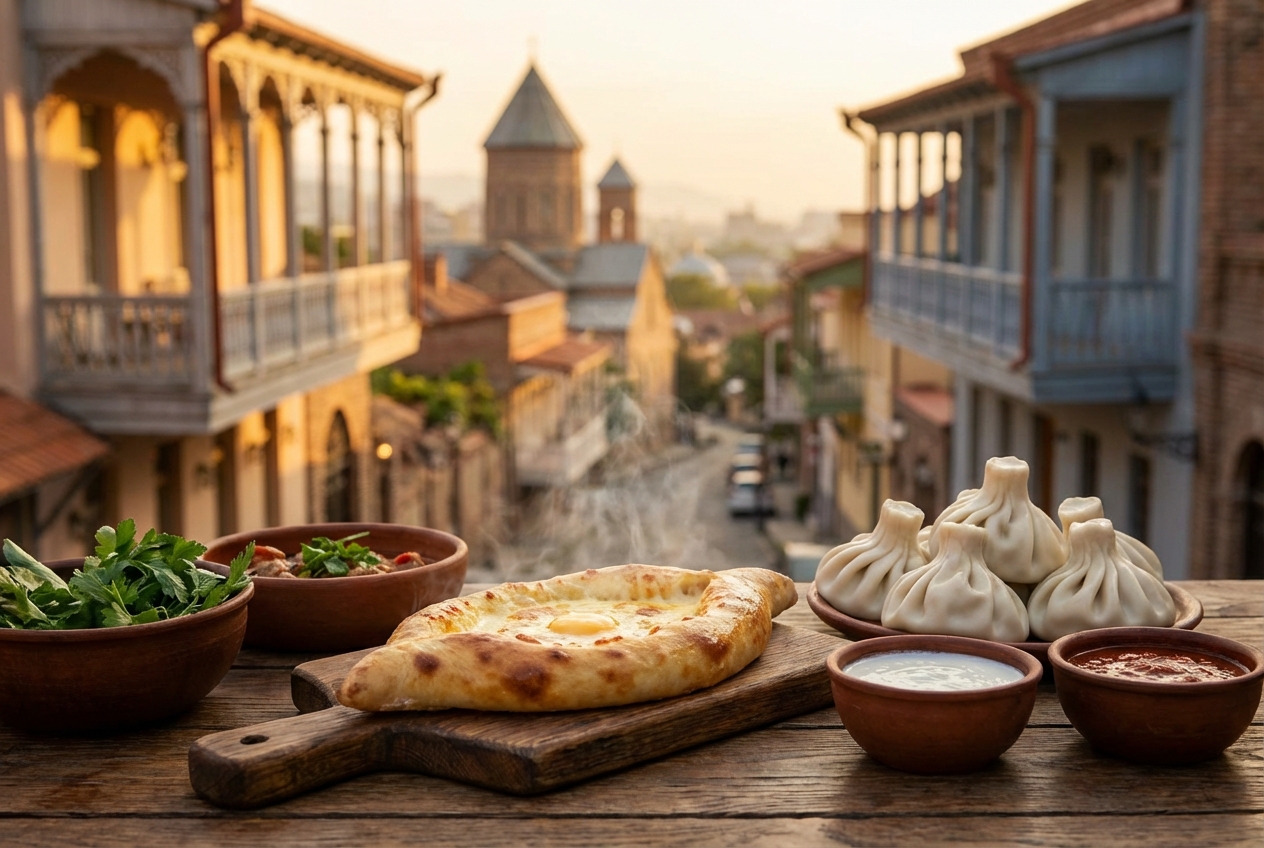
Georgian cuisine tells stories through every bite, and nowhere is this more evident than in Tbilisi. The capital city serves as a culinary crossroads where ancient recipes meet modern interpretations, where family traditions pass through generations at crowded dinner tables, and where food functions as both sustenance and celebration. What food is Tbilisi famous for? The answer spans dumplings plump with spiced meat broth, cheese-filled breads that arrive bubbling from clay ovens, walnut-laced vegetable dishes, and slow-simmered stews that perfume entire neighborhoods.
Georgia's food scene has exploded in recent years. According to wander-lush.org, the country now hosts nearly 9,826 restaurants, cafes, and bars as of 2026, reflecting both local appetite and tourist interest in authentic Georgian fare. Tbilisi captures the best of all Georgian regions on a single plate, making it the ideal place to experience dishes that have remained largely unchanged for centuries. The city's Old Town restaurants serve recipes that grandmothers still argue about, while newer establishments experiment with presentation without sacrificing tradition.
The Heart of Tbilisi Cuisine: Khinkali and Khachapuri
Two dishes define Georgian food identity more than any others. Walk through any Tbilisi neighborhood at lunchtime, and you'll spot locals hunched over steaming plates of khinkali or tearing into golden khachapuri. These aren't just popular menu items; they're cultural institutions with passionate followings and fierce debates about proper preparation techniques.
Khinkali: The Art of the Georgian Soup Dumpling
Khinkali demands respect and technique. These twisted-top dumplings originated in the mountainous regions of Pshavi, Mtiuleti, and Khevsureti, but Tbilisi has adopted them as its own. Each dumpling contains spiced meat, typically a mix of pork and beef seasoned with cumin, coriander, and black pepper, surrounded by a thin dough wrapper that traps flavorful broth during cooking.
The eating ritual matters as much as the recipe. You grab the twisted top knob, flip the dumpling upside down, bite a small hole in the side, and sip the hot broth before consuming the meat and dough. The top knob gets left on the plate, serving as a tally of how many you've eaten. Serious khinkali enthusiasts easily consume ten or more in a sitting.
Tbilisi restaurants serve several variations. Kalakuri khinkali uses a finely ground meat mixture with more herbs, while mtiuluri stays true to the mountain version with coarser meat and less seasoning. Vegetarian versions filled with cheese, potato, or mushrooms have gained popularity, though purists remain skeptical.
Khachapuri: Regional Cheese Breads Found in the Capital
Georgia has dozens of khachapuri varieties, and Tbilisi restaurants serve them all. The most theatrical version comes from the Adjara region: a boat-shaped bread filled with molten cheese, topped with a raw egg and butter pat that diners stir together at the table. As noted by getyourguide.com, "Adjarian khachapuri, a boat-shaped bread with cheese, egg, and butter, is particularly famous in Tbilisi. It's considered more than just food, but an experience."
| Khachapuri Type | Region | Description |
|---|---|---|
| Adjarian | Adjara | Boat-shaped with egg and butter |
| Imeretian | Imereti | Round with cheese inside |
| Megruli | Samegrelo | Cheese inside and on top |
| Penovani | Tbilisi | Puff pastry layers |
| Achma | Adjara | Layered like lasagna |
Imeretian khachapuri remains the everyday version: a round bread with fresh cheese sealed inside, baked until the crust turns golden and the interior becomes stretchy and molten. Megruli adds extra cheese on top for those who believe more is always better. Penovani uses puff pastry for a flakier texture, while achma layers thin dough sheets with cheese in a style reminiscent of Italian lasagna.
Nutty and Savory: The Role of Walnuts and Pomegranate
Georgian cuisine relies heavily on walnuts. The nuts grow abundantly throughout the country and appear in sauces, pastes, and garnishes across dozens of dishes. Combined with pomegranate seeds, fresh herbs, and garlic, walnuts create the flavor base that makes Georgian food instantly recognizable.
Pkhali: Vegetable Pâtés with Walnut Paste
Pkhali represents Georgian vegetable cooking at its finest. The concept is simple: take a vegetable, cook it, chop it finely, and bind it with a paste of ground walnuts, garlic, herbs, and vinegar. The result is a series of colorful, intensely flavored spreads that arrive as appetizers or side dishes.
Spinach pkhali appears most frequently, its deep green color contrasting with the ruby sparkle of pomegranate seeds pressed into the top. Beet pkhali offers sweetness and vivid magenta color. Eggplant, green beans, and cabbage all receive the pkhali treatment, sometimes served together on a single platter showcasing three or four varieties. The walnut paste provides protein and richness, making these dishes satisfying despite being entirely plant-based.
Badrijani Nigvzit: Fried Eggplant Rolls
Badrijani nigvzit might be the most photographed dish in Tbilisi. Thin eggplant slices get fried until pliable, then rolled around a filling of walnut paste seasoned with garlic, fenugreek, and coriander. Each roll gets a pomegranate seed crown and a drizzle of walnut oil.
The dish showcases the Georgian talent for balancing richness with brightness. The fried eggplant brings silky texture and mild sweetness. The walnut filling adds earthy depth and subtle bitterness from the fenugreek. Pomegranate seeds burst with tart juice that cuts through the richness. Every element plays a role.
Satsivi and Bazhe: Rich Walnut Sauces
Satsivi deserves special attention as Georgia's celebratory feast dish. Traditionally served cold, this walnut sauce coats poached chicken or turkey during New Year celebrations and special occasions. The sauce contains ground walnuts, garlic, cinnamon, cloves, and fenugreek, creating a thick coating with complex spice notes.
Bazhe serves as satsivi's simpler cousin: a white walnut sauce served with fried fish, chicken, or vegetables. The sauce uses fewer spices, letting the walnut flavor dominate. Both sauces demonstrate how Georgian cooks transform a humble ingredient into something extraordinary through careful seasoning and technique.
Sizzling Meat Dishes and Traditional Grills
Tbilisi's carnivorous traditions run deep. The city's restaurants and home cooks excel at preparing meat through grilling, stewing, and slow-cooking methods that coax maximum flavor from quality ingredients. Georgia's agricultural sector supports this tradition, with food and agricultural exports reaching USD 1.118 billion as of August 2025, reflecting a 3.4% increase from the previous year according to bog.ge.
Mtsvadi: Georgian Style Shish Kebab
Mtsvadi represents Georgian grilling at its purest. Large chunks of pork, beef, or lamb get threaded onto metal skewers and cooked over grape vine embers, which impart a distinctive smoky sweetness. The meat receives minimal seasoning before cooking, relying on quality ingredients and proper technique rather than marinades.
The traditional accompaniment is tkemali, a sour plum sauce that ranges from bright green to deep purple depending on the plum variety used. The sauce's tartness balances the rich meat perfectly. Sliced raw onions, fresh herbs, and lavash flatbread complete the plate. Mtsvadi appears at every supra feast and most casual meals, remaining the default choice when Georgians gather around outdoor grills.
Chashushuli and Chakapuli: Slow-Cooked Meat Stews
Chashushuli brings heat that surprises visitors expecting milder fare. This beef or veal stew simmers with tomatoes, onions, garlic, and generous amounts of hot peppers until the meat turns fork-tender and the sauce thickens. The dish originated in the Tusheti mountain region but has become a Tbilisi staple, particularly during colder months.
Chakapuli takes a different approach, using spring lamb or veal cooked with white wine, tarragon, green plums, and fresh herbs. The result is lighter and brighter than chashushuli, with the tarragon providing an almost anise-like freshness. Chakapuli traditionally appears in spring when tarragon grows wild and young lamb becomes available, though Tbilisi restaurants serve it year-round.
Street Food and Sweet Treats of the Old Town
Tbilisi's Old Town streets offer constant snacking opportunities. Vendors sell traditional sweets from small shops and carts, providing quick energy for tourists exploring winding cobblestone lanes and locals rushing between appointments. These treats connect modern Tbilisi to centuries of Georgian confectionery tradition.
Churchkhela: The Iconic Grape and Nut Candle
Churchkhela hangs in every Tbilisi market, strings of nuts coated in thickened grape juice resembling colorful candles. The traditional version threads walnuts onto string, dips them repeatedly in tatara (grape must thickened with flour), and hangs them to dry for weeks. The finished product has a chewy exterior and crunchy interior, with concentrated grape sweetness balanced by the nuts' earthiness.
Regional variations abound. Some use hazelnuts or almonds instead of walnuts. Others substitute pomegranate juice for grape must, creating a tangier product. The drying process can take anywhere from two weeks to several months, with longer aging producing firmer texture and more complex flavor. Churchkhela travels well, making it popular with visitors who want to bring Georgian flavors home.
Tklapi: Fruit Leather Sheets
Tklapi offers another portable Georgian sweet with ancient origins. Fruit puree, traditionally plum or grape, spreads thin on wooden boards and sun-dries into flexible sheets. The resulting fruit leather concentrates all the fruit's flavor and natural sugars into a chewy, tangy snack.
Beyond snacking, tklapi serves culinary purposes. Georgian cooks tear pieces into stews and sauces, where the dried fruit rehydrates and adds sourness and body. This dual purpose as both candy and cooking ingredient demonstrates Georgian cuisine's practical elegance.
The Supra Experience: Tbilisi's Communal Dining Culture
Understanding what food Tbilisi is famous for requires understanding how that food gets consumed. The supra, Georgia's traditional feast, transforms eating into ceremony. A tamada, or toastmaster, guides the evening through elaborate toasts honoring guests, family, friendship, and country. Each toast requires drinking wine, creating a rhythm of eating and drinking that can stretch for hours.
Supra tables groan under the weight of dishes. Cold appetizers arrive first: pkhali varieties, badrijani, cheese plates, fresh vegetables. Hot dishes follow in waves: khachapuri, khinkali, grilled meats, stews. Desserts appear eventually, though the feast rarely follows a strict course structure. Dishes remain on the table throughout, allowing guests to revisit favorites.
The communal aspect matters as much as the food itself. Georgians view sharing meals as fundamental to relationships, and refusing food or drink can cause genuine offense. The supra tradition explains why Georgian portions seem enormous by Western standards: the goal is abundance, generosity, and the pleasure of eating together without rushing.
What to Drink: From Amber Wine to Lagidze Waters
Georgian wine production stretches back 8,000 years, making it one of humanity's oldest winemaking traditions. The distinctive qvevri method buries large clay vessels underground, where grape juice ferments and ages in contact with skins, seeds, and stems. This extended skin contact produces amber wines with tannin structure unusual for whites, creating flavors that pair remarkably well with the country's rich cuisine.
Tbilisi's wine bars and restaurants pour these amber wines alongside more conventional styles. The Kakheti region east of the capital produces most Georgian wine, with Rkatsiteli and Saperavi grapes dominating. Saperavi, a red grape with red flesh, creates deeply colored wines with enough structure to stand up to grilled meats and walnut sauces.
Non-alcoholic options include Lagidze waters, flavored sodas invented in the 19th century and still produced in Tbilisi. Tarragon, cream, chocolate, and fruit flavors offer alternatives for those not drinking wine. Georgian mineral waters from various springs also appear at every table, their slightly mineral taste complementing rich foods.
The growth in Georgia's food and beverage sector reflects increasing sophistication. According to galtandtaggart.com, the FMCG sector revenue in Georgia is expected to reach GEL 23.3 billion in 2024, reflecting a 9.5% year-over-year increase. Non-cash restaurant spending has jumped 34% year-on-year per bog.ge, suggesting both locals and visitors are spending more on dining experiences.
Tbilisi's food scene rewards curious eaters willing to try unfamiliar combinations and embrace communal dining traditions. The city offers authentic regional dishes from every corner of Georgia, prepared by cooks who learned from their grandmothers and take pride in maintaining standards. Whether you're grabbing churchkhela from a market vendor or settling in for a multi-hour supra, the flavors tell stories of mountains, valleys, and centuries of culinary refinement. Start with khinkali and khachapuri, branch out to walnut-laced vegetable dishes, and don't leave without raising a glass of amber wine to new friendships.