
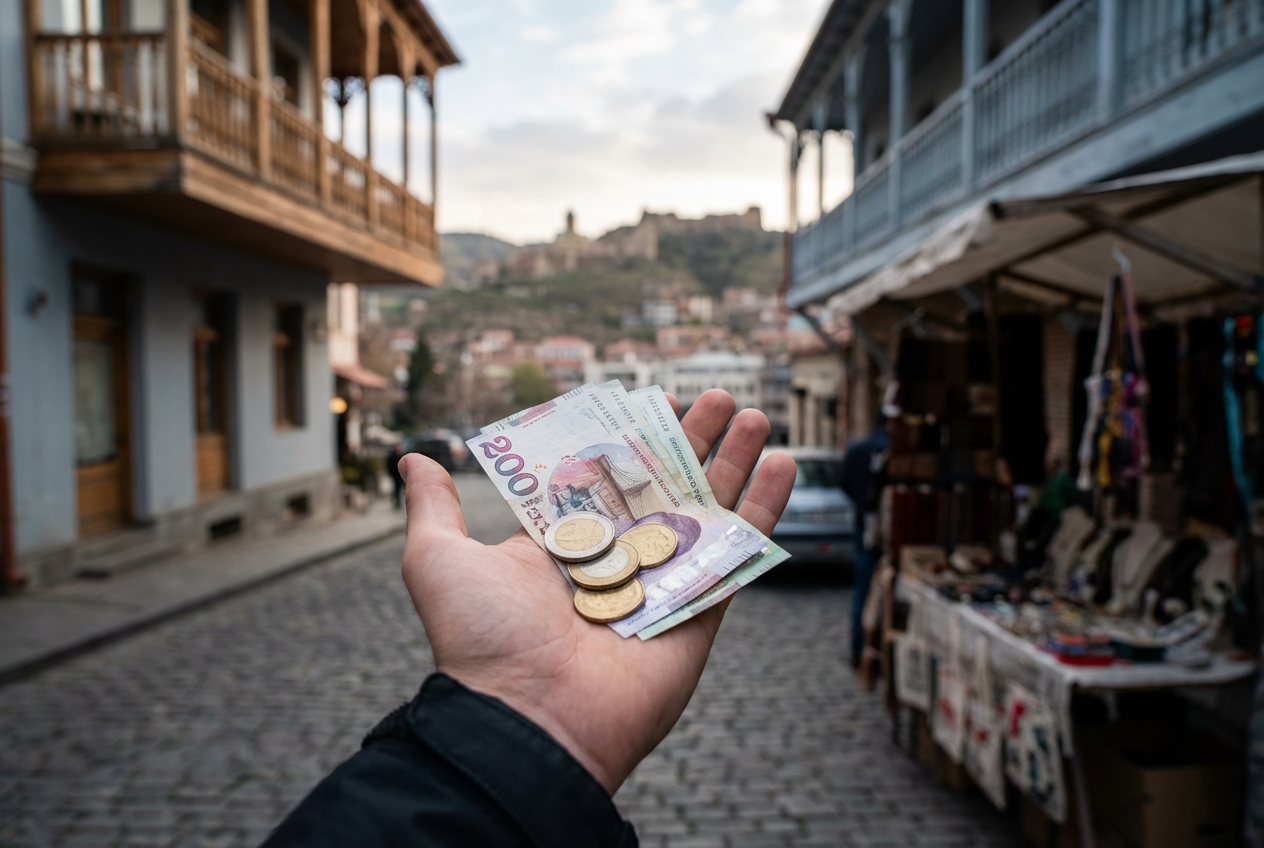
You've just booked your flight to Tbilisi, and now you're staring at that stack of euros left over from your last European trip. The question hits you: can I use euro in Tbilisi, or will I need to exchange everything? Here's the short answer that most travel guides bury under paragraphs of fluff: no, you cannot legally pay for goods and services with euros in Georgia. The country operates exclusively on the Georgian Lari (GEL), and this isn't just a preference or a suggestion. According to Georgian Travel Guide, all transactions must be paid for in GEL. That said, your euros aren't useless. They're actually one of the most easily exchanged currencies in the country, and getting a fair rate is straightforward once you know where to look. I've seen travelers arrive with nothing but euros and navigate Tbilisi without a single hiccup, while others lose significant money to poor exchange decisions made in the first hour after landing. The difference comes down to understanding a few key principles about how money works in Georgia's capital.
Official Currency and Legal Payment Methods in Georgia
Georgia takes its currency laws seriously, and this catches many European visitors off guard. Unlike some tourist-heavy destinations that quietly accept major foreign currencies, Georgia enforces strict regulations about what constitutes legal tender.
The Georgian Lari (GEL) Requirement
The Georgian Lari has been the sole official currency since 1995, and the government has no intention of changing this. Every shop, restaurant, taxi, and service provider must price their offerings in Lari and accept payment in Lari. This isn't bureaucratic formality but actively enforced policy. ManorFX reports that a penalty of 500 GEL may be imposed for paying for goods and services in foreign currencies. That's roughly $185 USD, which would certainly ruin anyone's vacation budget.
The reasoning behind this strict enforcement relates to economic stability. Georgia experienced severe currency crises in the 1990s, and maintaining the Lari's position as the sole transactional currency helps protect the economy from dollarization, a problem that has plagued several post-Soviet states. For travelers, this means keeping that expectation clear: once you're shopping, dining, or paying for services in Tbilisi, you need Lari in your pocket or a card that can charge in the local currency.
Exceptions for Private Transactions and Real Estate
There are limited scenarios where euros or dollars enter the picture legally. Real estate transactions, particularly those involving foreign buyers, often quote prices in US dollars or euros. Long-term apartment rentals marketed to expats frequently list monthly rates in foreign currency, though the actual payment typically converts to Lari at the time of transaction.
Private sales between individuals operate in a grayer area. If you're buying a used car from a private seller or making a large purchase outside the formal retail system, foreign currency might change hands. These situations fall outside the scope of the retail regulations, though they're not something most tourists encounter. The practical takeaway remains consistent: bring euros for exchange, not for spending directly.
Where and How to Exchange Euros in Tbilisi
Exchanging currency in Tbilisi is remarkably straightforward compared to many capital cities. The infrastructure exists to convert your euros quickly and at competitive rates, but location and timing matter significantly.
Currency Exchange Booths vs. Local Banks
Exchange booths dot Tbilisi's landscape, particularly in tourist areas like Rustaveli Avenue, Old Town, and around Freedom Square. These small kiosks display their rates on digital boards and typically offer better rates than banks for straightforward currency exchanges. Competition keeps them honest, and you'll often find rates within 1-2% of the mid-market rate.
Tbilisi Airport confirms that multiple money exchange shops operate in the arrival hall, making it possible to get Lari immediately upon landing. However, airport rates tend to be 3-5% worse than city center exchanges. My recommendation: exchange just enough at the airport for a taxi or metro fare (around 50 euros maximum), then handle the bulk of your exchange once you're in the city.
| Exchange Location | Typical Rate Quality | Convenience | Best For |
|---|---|---|---|
| Airport booths | 3-5% below mid-market | Immediate access | Small initial amounts |
| City center kiosks | 1-2% below mid-market | Plentiful locations | Bulk exchanges |
| Banks | 2-4% below mid-market | Limited hours | Large sums with receipts |
| Hotel exchanges | 4-8% below mid-market | On-site convenience | Emergencies only |
Banks like TBC Bank and Bank of Georgia offer currency exchange but operate on standard business hours and may require more paperwork for larger amounts. They're worth considering if you need an official receipt for expense reporting or are exchanging substantial sums.
Avoiding Common Scams and High Fees
Tbilisi isn't particularly notorious for exchange scams, but a few precautions help. Always count your money before leaving the window, as short-changing does occur. Some booths advertise attractive rates with asterisks leading to fine print about minimum exchange amounts or fees that effectively worsen the deal. Ask for the total you'll receive before handing over your euros.
The biggest "scam" is simply accepting poor rates out of convenience. Hotel front desks often offer exchange services at rates that would make airport kiosks look generous. That 8% difference on a 500-euro exchange means 40 euros lost, enough for several nice meals in Tbilisi.
As Getmancar notes, "US Dollars and Euros are the most common foreign currencies exchanged in Georgia and often have good rates." This widespread acceptance means you don't need to hunt for specialized exchanges; competition naturally produces fair rates in most locations.
Using Credit Cards and ATMs in the Capital
Tbilisi has modernized rapidly, and card acceptance has expanded dramatically over the past five years. Still, understanding the landscape helps you avoid unnecessary fees and declined transactions.
Contactless Payments and Digital Wallets
Major credit cards work throughout Tbilisi's formal economy. Visa and Mastercard enjoy near-universal acceptance at restaurants, hotels, shops, and supermarkets. American Express remains less common but works at larger establishments and international chains. Apple Pay and Google Pay function wherever contactless terminals exist, which covers most modern retail locations.
The key consideration involves foreign transaction fees. Many cards charge 1-3% on purchases made in foreign currencies, which adds up across a week-long trip. If you travel frequently, a card with no foreign transaction fees pays for itself quickly. Check your card terms before departure.
Some smaller businesses, particularly family-run restaurants and local shops, still prefer cash. The card terminal might exist but mysteriously "isn't working" when you try to pay. This isn't necessarily deception; maintaining card processing equipment costs money, and some proprietors genuinely prefer cash transactions. Having Lari on hand avoids awkward situations.
Withdrawing GEL from Multi-Currency ATMs
ATMs offer a convenient way to obtain Lari, especially if you'd rather not carry large amounts of cash through airports. Orient Exchange indicates that most ATMs in Georgia charge a commission of about 2-3% when converting currency into GEL. This fee comes from the ATM operator, separate from any fees your home bank might charge.
TBC Bank and Bank of Georgia ATMs are the most common and generally reliable. They dispense various denominations, though 50 and 100 Lari notes dominate. If you need smaller bills, request a withdrawal amount that forces the machine to include them, such as 180 GEL rather than 200 GEL.
One important warning: ATMs often offer to charge your card in your home currency rather than Lari. This "dynamic currency conversion" sounds convenient but typically includes a markup of 5-7%. Always choose to be charged in the local currency (GEL) and let your bank handle the conversion at their rate.
Budgeting for Your Trip: Euro to Lari Conversions
Understanding approximate conversion rates helps you budget realistically and recognize good deals. As of recent rates, one euro typically exchanges for approximately 2.9-3.0 Georgian Lari, though this fluctuates with market conditions.
Tbilisi offers remarkable value for European visitors. A restaurant meal that might cost 15-20 euros in Western Europe runs 20-30 GEL here, roughly 7-10 euros. Quality wine that would cost 25 euros in Paris sells for 15-25 GEL at local shops. This purchasing power makes Georgia attractive for budget-conscious travelers and digital nomads alike.
If you're bringing substantial cash, note the customs requirements. Advantour states that bringing more than 30,000 GEL (approximately $11,100 in 2026) into Georgia requires filling out a custom declaration form. This threshold applies to the equivalent in any currency, so a stack of euros totaling this amount needs declaration.
For most trips, I'd suggest exchanging 100-200 euros initially, then supplementing with ATM withdrawals or additional exchanges as needed. This approach limits your exposure to carrying large amounts while ensuring you always have cash available.
Practical Tips for Handling Money in Tbilisi
Beyond the mechanics of exchange and withdrawal, some practical considerations make daily transactions smoother.
The Importance of Carrying Small Cash Denominations
Tbilisi's cash economy runs on smaller notes. A 100 Lari bill at a small café or marshrutka (minibus) creates problems, as vendors often lack change. Request smaller denominations when exchanging currency or withdrawing from ATMs. The 5, 10, and 20 Lari notes handle most daily purchases comfortably.
Market vendors, taxi drivers without card machines, and street food sellers all prefer exact change or close to it. Starting your day with a stack of small bills eliminates the frustrating "sorry, no change" response that derails transactions.
Coins exist in denominations of 1, 2, 5, 10, 20, and 50 tetri (100 tetri equals 1 Lari), plus 1 and 2 Lari coins. These accumulate quickly and prove useful for small purchases, public toilet fees, and tipping small amounts.
Tipping Culture and Cash-Only Establishments
Tipping in Georgia follows a relaxed approach compared to American norms. Service charges rarely appear on bills automatically. Rounding up or adding 10% for good restaurant service is appreciated but not expected. Leaving coins from your change satisfies most situations.
Certain establishments operate exclusively in cash. Traditional wine bars in the old town, small family restaurants outside tourist zones, and most taxi drivers without apps fall into this category. The Bolt and Yandex taxi apps charge to your card, but flagging a cab on the street means cash payment.
Public markets like the Dezerter Bazaar operate almost entirely in cash. These markets offer some of Tbilisi's best food experiences, from fresh churchkhela to aromatic spices, so having Lari on hand opens doors that cards cannot.
Making Your Euros Work in Tbilisi
Your euros serve you well in Georgia, just not directly. The exchange infrastructure handles European currency efficiently, and competitive rates mean you won't lose significant value in the conversion process. Plan to exchange a reasonable amount upon arrival, supplement with card payments and ATM withdrawals, and keep small denominations handy for daily purchases.
The 500 GEL penalty for foreign currency transactions isn't something most tourists encounter, but knowing the rule exists explains why that friendly shopkeeper politely declines your euro notes. Georgia's commitment to its currency creates a consistent experience once you have Lari in your wallet.
Whether you're exploring Tbilisi's ancient churches, sampling natural wines in cozy cellars, or haggling at local markets, having the right currency in the right denominations transforms potential frustrations into smooth transactions. Exchange wisely, carry small bills, and enjoy one of Europe's most underrated capital cities without worrying about money mechanics.