
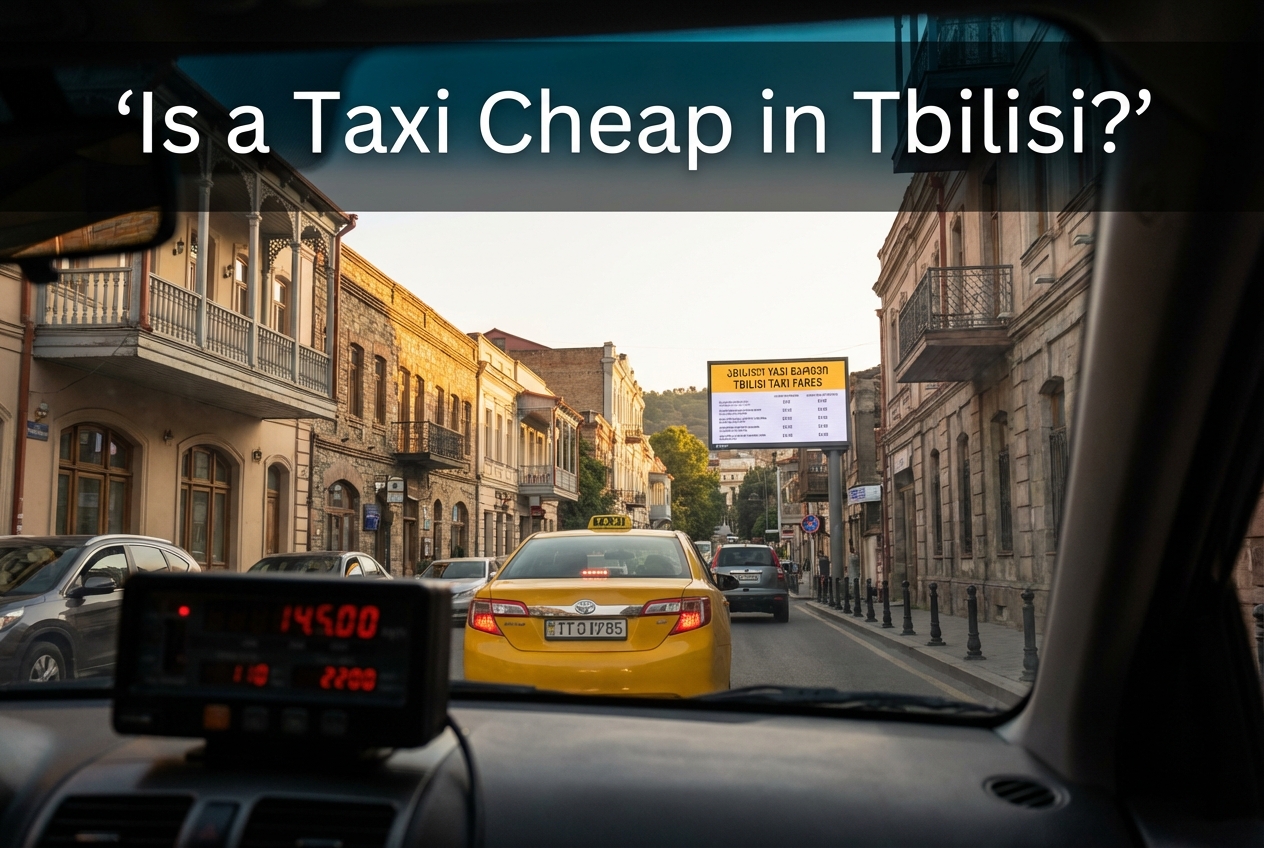
Tbilisi has earned a reputation among travelers as one of Europe's most wallet-friendly capitals, and nowhere is this more apparent than when you step into a taxi. Whether you're arriving bleary-eyed at the airport at 3 AM or heading across town for a late-night feast of khinkali, the cost of getting around by car rarely stings. But the question visitors keep asking remains: just how cheap are taxis in Tbilisi compared to what you'd pay elsewhere?
The short answer is remarkably affordable. A 5km taxi ride in Tbilisi costs approximately 9.3 GEL, which converts to roughly €3.50 or $3.80. Compare that to the €15-20 you'd pay for the same distance in Paris or Amsterdam, and you'll understand why many travelers ditch public transport entirely during their Georgian adventure. According to Welcome Pickups, "Taxis in Tbilisi are generally considered inexpensive, especially compared to other European capitals."
This affordability comes with caveats, though. The city has over 85,000 registered taxis serving its population, creating fierce competition but also opportunities for the occasional unscrupulous driver. Knowing which apps to use, when surge pricing kicks in, and how to spot a fair fare separates savvy travelers from those who overpay. Here's everything you need to know about navigating Tbilisi's taxi scene without getting taken for a ride.
Overview of Taxi Costs in Tbilisi
Understanding typical taxi prices helps you budget appropriately and recognize when something seems off. Tbilisi's taxi market operates differently from Western European cities, with lower base fares but a more chaotic street-hailing culture.
Average Fare Prices for City Travel
The numbers tell a compelling story for budget-conscious travelers. Most rides within central Tbilisi fall between 5-15 GEL (€1.80-5.50), making taxis a genuinely viable option for daily transportation rather than an occasional splurge.
| Route | Distance | Approximate Cost (GEL) | Approximate Cost (EUR) |
|---|---|---|---|
| Rustaveli to Old Town | 2 km | 5-7 | €1.80-2.50 |
| Vake to Marjanishvili | 4 km | 8-10 | €2.90-3.60 |
| Station Square to Mtatsminda | 5 km | 9-12 | €3.30-4.40 |
| Saburtalo to Airport | 18 km | 35-50 | €12.80-18.30 |
These prices assume you're using a ride-hailing app rather than negotiating with drivers on the street. The base fare typically starts around 2.5 GEL, with per-kilometer rates hovering between 0.8-1.2 GEL depending on the platform and vehicle class. Night rates and surge pricing can push these figures up by 20-50%, but even then, you're looking at prices that would seem impossibly low in most European capitals.
The city's taxi density plays a role here. With approximately 18.4% of drivers in Tbilisi working as taxi drivers, competition keeps prices suppressed. You'll rarely wait more than 3-5 minutes for a ride during normal hours, and the abundance of available cars means drivers can't charge premium rates without losing customers to competitors.
Comparing Tbilisi to Other European Capitals
Putting Tbilisi's taxi costs in perspective requires looking at what you'd pay elsewhere. The difference is stark enough to reshape how you think about urban transportation.
A standard 5km taxi ride costs around €3.30 in Tbilisi. That same journey runs €12-15 in Berlin, €14-18 in London, €11-14 in Rome, and €15-20 in Stockholm. Even cities considered relatively affordable by European standards, like Lisbon (€8-10) or Prague (€7-9), charge double or triple Tbilisi's rates.
This pricing gap means travelers often adopt different transportation habits in Georgia. Taking a taxi to a restaurant 2km away feels extravagant in Copenhagen but makes perfect sense in Tbilisi when the ride costs less than a cup of coffee. Many visitors find themselves using taxis for trips they'd normally walk, simply because the cost-benefit calculation shifts so dramatically.
The comparison extends to airport transfers as well. While a taxi from Heathrow to central London can exceed £60 and a ride from Charles de Gaulle into Paris approaches €55, getting from Tbilisi International Airport to your hotel rarely tops €20.
Popular Ride-Hailing Apps and Their Pricing
Forget about trying to flag down taxis on the street. The ride-hailing app revolution transformed Tbilisi's taxi scene, bringing transparency, fixed pricing, and accountability to what was once a frustrating negotiation game.
Bolt: The Most Reliable Local Option
Bolt dominates the Tbilisi market, and for good reason. The app offers consistent pricing, English-language support, and a massive driver network that ensures quick pickups across the city. Most travelers find it becomes their default choice within a day or two of arrival.
Pricing on Bolt follows a straightforward formula: base fare plus per-kilometer and per-minute charges. The app shows your estimated fare before you confirm, eliminating surprises. During normal conditions, a 10km ride typically costs 12-18 GEL. The app also displays surge multipliers clearly when demand spikes, so you can decide whether to wait or pay premium rates.
What makes Bolt particularly valuable is its cashless payment option. Linking your credit card means no fumbling with unfamiliar currency or worrying about having correct change. Drivers can't claim the card machine is broken or pressure you for tips because the transaction happens automatically. The app also maintains your ride history, useful if you need to dispute a charge or simply remember where that excellent wine bar was located.
Driver ratings and reviews add another layer of protection. Consistently problematic drivers get filtered out of the system, while good drivers build reputations that encourage professional behavior. You can see your assigned driver's rating before the ride begins.
Yandex Go: Budget-Friendly Alternatives
Yandex Go, the Russian-owned ride-hailing service, offers an alternative worth having on your phone. While some travelers hesitate due to the company's origins, the app functions well in Tbilisi and occasionally undercuts Bolt's prices by 10-20%.
The interface takes some adjustment if you're used to Western apps. Cyrillic text appears in places, and the mapping system uses different conventions. But the core functionality mirrors other ride-hailing services: enter your destination, see the price, confirm, and wait for your driver.
Yandex Go tends to excel during off-peak hours when its pricing algorithm remains stable while Bolt might show minor surge increases. The app also offers economy options that pair you with older vehicles at reduced rates. If you're not particular about riding in a newer car, these budget tiers can shave 15-25% off standard fares.
Having both apps installed creates useful optionality. Check prices on each before confirming your ride, especially for longer journeys where small per-kilometer differences compound into meaningful savings.
Airport Transfers and Long-Distance Trips
Getting to and from Tbilisi International Airport represents most visitors' first taxi experience in Georgia. The journey also showcases both the affordability and the potential pitfalls of the local taxi market.
Fixed Rates from Tbilisi International Airport
The airport sits roughly 17km southeast of central Tbilisi, a distance that would cost €40-60 in most European capitals. Here, you're looking at a taxi from the airport to the city center costing between €13.70 and €20.50 (GEL 40-60), depending on your exact destination and chosen service.
Using Bolt or Yandex Go from the airport works seamlessly. Walk outside the arrivals hall, order your ride, and wait at the designated pickup area. The apps quote fixed prices for airport routes, protecting you from traffic-related fare increases. A ride to Rustaveli Avenue typically shows around 35-45 GEL, while destinations in Vake or Saburtalo might reach 45-55 GEL.
Pre-booked airport transfers through services like Welcome Pickups offer another option, particularly appealing if you're arriving late at night or want guaranteed English-speaking drivers. These services charge premium rates but include meet-and-greet service, flight monitoring, and fixed prices regardless of traffic conditions.
Avoid the taxi drivers who approach you inside the arrivals hall. Their quoted prices often run 50-100% higher than app-based alternatives, and you lose the accountability that comes with digital booking.
Hiring Drivers for Day Trips to Kazbegi or Kakheti
Tbilisi serves as a launching point for Georgia's most spectacular landscapes, and hiring a taxi for day trips often proves more practical than organized tours. The economics work surprisingly well for groups of 2-4 travelers.
A full-day trip to Kazbegi, including the famous Gergeti Trinity Church, typically runs 200-300 GEL (€73-110) for the entire vehicle. Split among four passengers, that's €18-27 each for 10-12 hours of private transportation through some of Europe's most dramatic mountain scenery. The driver waits while you explore, handles the challenging mountain roads, and often knows excellent lunch spots along the way.
Wine region excursions to Kakheti follow similar pricing. Expect to pay 180-250 GEL for a driver willing to spend 8-10 hours ferrying you between wineries, monasteries, and the charming town of Sighnaghi. Many drivers speak enough English to provide basic commentary, though serious wine enthusiasts might prefer combining a hired driver with a dedicated guide.
Negotiating these rates works best through your accommodation or via apps. Some Bolt drivers accept day-trip bookings through the app's hourly rental feature, providing the accountability of the platform for longer journeys.
Factors Influencing Your Final Fare
Even in an affordable market, certain variables can double or triple your expected cost. Understanding these factors helps you plan around them or at least anticipate the impact.
Peak Hours and Traffic Congestion Surcharges
Tbilisi's traffic has become genuinely problematic, particularly during rush hours. The city's infrastructure hasn't kept pace with its growing vehicle population, creating gridlock that affects both journey times and fares.
Morning rush (8:00-10:00 AM) and evening rush (5:30-8:00 PM) see the worst congestion, particularly along major arteries like Chavchavadze Avenue and the roads connecting Saburtalo to the city center. During these periods, ride-hailing apps apply surge pricing of 1.3x to 2x normal rates. A trip that costs 10 GEL at noon might reach 15-20 GEL during peak demand.
The time-based component of taxi fares also increases costs during traffic jams. Even without surge pricing, sitting in gridlock accumulates per-minute charges that can significantly inflate your final bill. A 5km trip that takes 8 minutes under normal conditions might stretch to 25-30 minutes during rush hour, adding 5-10 GEL to your fare.
Planning around these patterns saves money. Schedule airport departures outside rush hours when possible. If you're meeting friends for dinner, leave earlier or later than the 6:00-7:00 PM window when half the city seems to be in transit.
Vehicle Classes: Economy vs. Premium
Ride-hailing apps offer multiple vehicle tiers, each with distinct pricing. Understanding what you're paying for helps you make informed choices rather than defaulting to the cheapest or most expensive option.
Economy class pairs you with older vehicles, typically 5-10 years old. These cars are mechanically sound but may lack air conditioning, have worn interiors, or smell faintly of cigarette smoke. Prices run 15-25% below standard rates. For short hops across town, economy works fine.
Standard class represents the sweet spot for most travelers. You'll get a reasonably modern vehicle with working climate control and a driver who meets basic service standards. This tier accounts for most rides in Tbilisi.
Comfort and Premium classes provide newer vehicles, often European or Korean models less than three years old. Drivers in these categories tend to speak better English and maintain cleaner cars. Expect to pay 30-50% more than standard rates. For airport transfers or longer journeys, the upgrade often proves worthwhile.
Tips for Avoiding Scams and Overcharging
Tbilisi's taxi market has improved dramatically with app adoption, but opportunities for overcharging still exist. A few precautions protect you from the minority of drivers who try to exploit tourists.
Why You Should Avoid Street-Hailing Taxis
The simplest advice for avoiding problems: never hail a taxi on the street. This single rule eliminates 90% of potential issues.
Street taxis operate without the accountability of app-based services. Drivers quote prices based on how wealthy they think you look, your apparent familiarity with the city, and their assessment of what you'll tolerate. Tourists regularly report being quoted 30-50 GEL for trips that cost 10-15 GEL through apps.
Some street taxi drivers use rigged meters or take deliberately circuitous routes. Without GPS tracking through an app, you have no evidence to dispute these practices. The driver knows this, which emboldens bad behavior.
The exception involves situations where apps aren't practical: dead phone battery, no data connection, or locations where drivers can't easily reach you. In these cases, negotiate a price before entering the vehicle and confirm it clearly. If the quoted price seems high, walk away and try another driver.
Safety and Payment Best Practices
Beyond pricing concerns, a few practices enhance your overall taxi experience and personal safety.
Share your ride details with someone you trust. Both Bolt and Yandex Go allow you to send trip information to contacts, showing your route in real time. This feature provides peace of mind for solo travelers, particularly late at night.
Keep your phone charged and data active during rides. The GPS tracking only works if your device is online. Consider carrying a portable battery pack if you're spending long days exploring.
Pay through the app whenever possible. Cash transactions create opportunities for disputes over change, claims about counterfeit bills, or pressure for tips. Digital payment creates a clear record and removes these friction points.
If something feels wrong during a ride, trust your instincts. Ask to be dropped at a public location, preferably one with other people around. Drivers can be reported through the apps, and consistent complaints result in deactivation.
Is It Worth Using Taxis Over Public Transport?
Public transportation in Tbilisi costs just 1 GEL per ride, making it theoretically much cheaper than taxis. But the calculation isn't as straightforward as comparing fares.
The metro system covers limited ground, primarily useful for north-south travel along two lines. Buses reach more areas but run infrequently and unpredictably, with routes that confuse even long-term residents. Marshrutkas (minibuses) fill gaps but operate without fixed schedules and can be uncomfortably crowded.
For trips along metro lines during reasonable hours, public transport makes sense. The system is clean, safe, and genuinely cheap. But for journeys requiring transfers, travel during off-peak hours, or routes not well-served by transit, taxis often prove more practical.
Consider a trip from Vake to the sulfur baths in Abanotubani. Public transport requires a bus to the metro, a metro ride to Avlabari, then a 15-minute walk. Total time: 45-60 minutes. A taxi covers the same distance in 12-15 minutes and costs 8-12 GEL. For two travelers, splitting a 10 GEL fare means paying 5 GEL each versus 1 GEL for transit, saving 30-45 minutes.
The math favors taxis even more strongly for groups. Four friends traveling together pay the same taxi fare as a solo rider, making per-person costs comparable to public transport while gaining significant time and convenience advantages.
Taxis in Tbilisi are genuinely cheap by any reasonable standard. Use apps, avoid street hails, and plan around rush hours. You'll find that getting around this fascinating city costs far less than you'd expect, freeing up your budget for the wine, food, and experiences that make Georgia such a rewarding destination.