
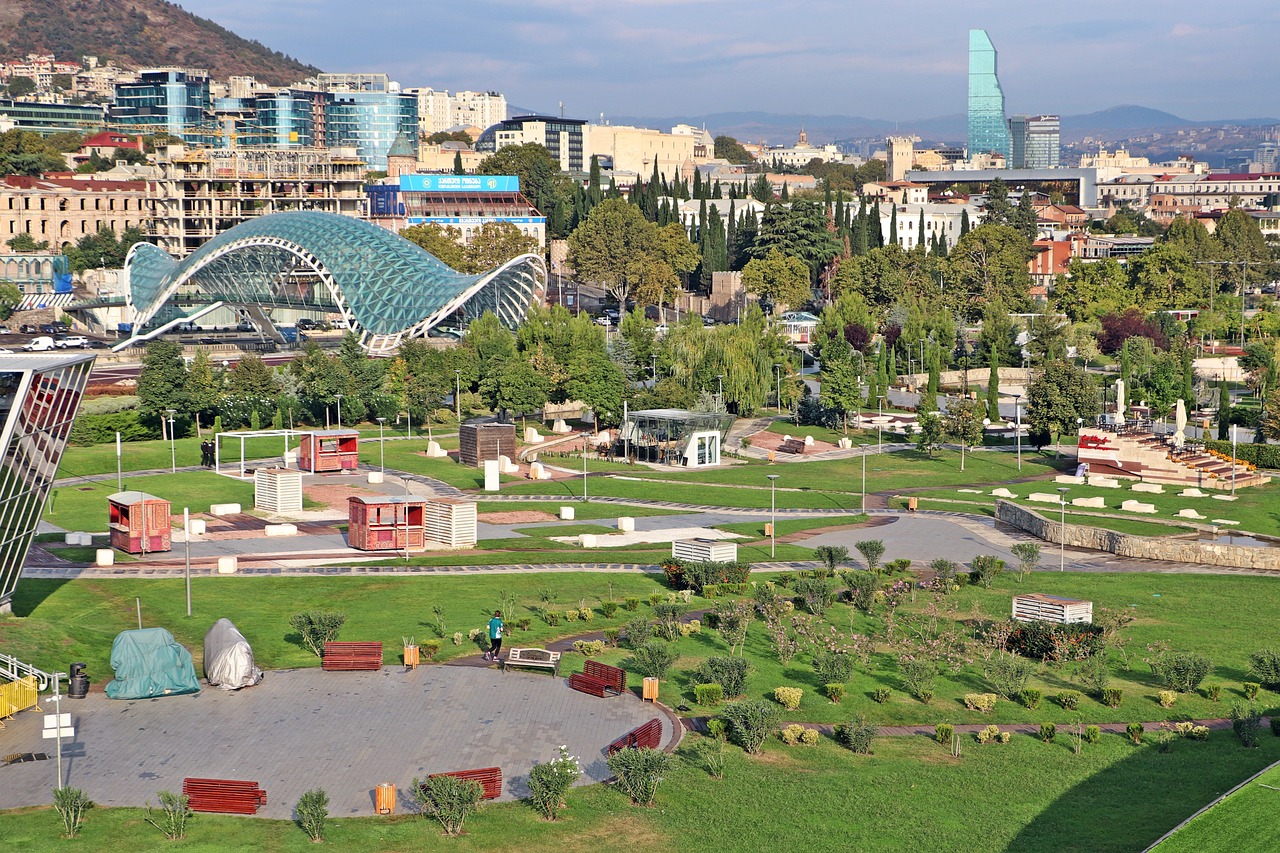
Understanding Georgia’s Tipping Culture and Etiquette
You’ve landed in Tbilisi, ordered your first plate of khinkali, and the bill arrives. Now comes the moment of uncertainty that plagues travelers worldwide: do you tip in Tbilisi, and if so, how much?
Here’s the honest answer that most travel guides dance around: Georgia doesn’t have a strong tipping culture, and nobody will chase you down the street if you leave nothing extra. But that doesn’t mean tipping is unwelcome or inappropriate. The reality sits somewhere in the middle, shaped by Georgia’s Soviet past, its hospitality traditions, and the growing influence of Western tourism.
During the Soviet era, tipping was essentially nonexistent. Service workers received state wages, and the concept of rewarding individual performance didn’t fit the system. That mindset lingered for decades after independence. Even today, many older Georgians don’t tip regularly, and local servers don’t expect it from domestic customers.
The shift started as international tourism grew, particularly after 2010. Visitors from Europe and North America brought their tipping habits with them, and the service industry adapted. Now, in tourist-heavy areas like Old Tbilisi, Rustaveli Avenue, and popular wine regions, staff increasingly anticipate gratuities from foreign guests.
What makes Georgia refreshing is the absence of awkward tipping pressure. You won’t encounter tip jars shoved in your face or suggested gratuity amounts printed on receipts. The choice remains genuinely yours. That said, service workers here earn modest wages by Western standards, and a thoughtful tip can make a real difference in someone’s day. Understanding when and how much to tip helps you navigate social situations gracefully while supporting the people who make your trip memorable.
Tipping in Restaurants, Cafes, and Bars
Restaurant tipping in Tbilisi follows a pattern that feels familiar to European travelers but might surprise Americans accustomed to mandatory 20% gratuities. The baseline expectation is lower, the pressure is minimal, and the whole experience tends to be more relaxed.
Most mid-range and upscale restaurants in Tbilisi have adopted tipping as a norm, though the amounts remain modest compared to North American standards. Budget eateries, bakeries, and fast-casual spots operate differently, where tipping is genuinely optional and often skipped entirely by locals. The type of establishment matters more than the total bill amount.
The Service Charge vs. Optional Tips
Before calculating any tip, check your bill carefully. Many restaurants in Tbilisi, particularly those catering to tourists or positioned as upscale dining, add a service charge automatically. This typically ranges from 10% to 15% and appears as a separate line item.
When you see this charge, you’ve already covered the gratuity. Adding more on top is generous but unnecessary. The service charge goes directly to staff in most establishments, though practices vary. If you’re curious, asking your server about the policy is perfectly acceptable and often appreciated.
Restaurants without automatic service charges leave the decision entirely to you. These tend to be locally-oriented spots, casual cafes, and neighborhood restaurants where the clientele is primarily Georgian. The absence of a service charge doesn’t signal lower quality; it simply reflects traditional Georgian dining culture.
Confusion sometimes arises when bills include vague charges. If something labeled “service” appears and you’re unsure whether it’s a gratuity or a table fee, ask. Staff won’t find this rude, and you’ll avoid either double-tipping or accidentally stiffing your server.
Standard Percentages for Good Service
For restaurants without service charges, the standard tip for good service falls between 10% and 15%. This range satisfies expectations without seeming excessive or stingy. Exceptional service might warrant 15% to 20%, but going higher than that is unusual and unnecessary.
| Dining Situation | Recommended Tip | Notes |
|---|---|---|
| Upscale restaurant (no service charge) | 10-15% | Round up for exceptional service |
| Mid-range restaurant | 10% | Standard for good service |
| Casual cafe or bistro | 5-10% or round up | Lower expectations |
| Fast food or bakery | None expected | Tip jar optional |
| Bar (table service) | 10% | Per round or final bill |
| Bar (counter service) | Round up to nearest lari | Or nothing |
For smaller bills at cafes, rounding up works well. If your coffee and pastry costs 8.50 GEL, leaving 10 GEL feels natural and appropriate. This approach avoids the awkwardness of calculating percentages on tiny amounts while still acknowledging good service.
At bars, the calculus shifts based on service style. Table service warrants a restaurant-style tip. Counter service follows a more casual approach where rounding up or leaving small change is sufficient. Bartenders in Tbilisi’s nightlife districts have grown accustomed to tips from international visitors but don’t expect them from every customer.
Transportation and Taxi Tipping Norms
Getting around Tbilisi involves a mix of ride-hailing apps, traditional taxis, and the metro system. Each comes with different tipping expectations, though the overall culture remains relaxed compared to destinations where drivers actively solicit gratuities.
The metro requires no tipping consideration whatsoever. Marshrutkas, the minibuses that connect neighborhoods and nearby towns, operate similarly. You pay the fixed fare and that’s the end of the transaction. Drivers don’t expect anything extra, and offering a tip would create confusion.
Taxis present more nuanced situations depending on how you hail them and the nature of your trip.
Using Ride-Hailing Apps Like Bolt and Yandex
Bolt dominates Tbilisi’s ride-hailing market, with Yandex also maintaining a presence. These apps transformed transportation in the city, offering transparent pricing, GPS tracking, and cashless payment options. They also largely eliminated tipping expectations.
When you pay through the app, the transaction feels complete. Drivers receive their cut, and there’s no physical exchange of money that creates a tipping moment. Most riders simply exit the vehicle after thanking the driver. This matches local behavior, and drivers don’t seem bothered by it.
That said, the apps include tipping functionality. After completing a ride, you can add a tip through the payment interface. Using this feature for exceptional service, help with luggage, or particularly long trips is a nice gesture. Amounts of 2-5 GEL cover most situations. For airport runs or trips requiring the driver to wait, 5-10 GEL shows appropriate appreciation.
Paying cash through ride-hailing apps creates a natural tipping opportunity. If your fare shows 18 GEL and you hand over a 20 GEL note, telling the driver to keep the change is the simplest approach. Most drivers appreciate this, though they won’t express disappointment if you request exact change.
Street Taxis and Rounding Up the Fare
Street taxis without app integration require more attention. Always agree on the fare before entering the vehicle, as meters are rare and post-trip negotiations can turn unpleasant. Once you’ve settled on a price, that’s your obligation fulfilled.
Rounding up remains the most common form of gratuity for street taxis. If you agreed on 15 GEL, handing over 20 GEL and indicating no change is needed accomplishes the tip gracefully. This avoids the awkwardness of calculating percentages while still rewarding good service.
For drivers who provide extra assistance, whether navigating to a difficult address, helping with heavy bags, or offering genuine local insights, a more substantial tip of 5-10 GEL on top of the fare shows appreciation. These situations arise more often with airport transfers or intercity trips than standard city rides.
Gratuity for Tours and Private Guides
Tourism forms a significant part of Tbilisi’s economy, and tipping practices in this sector have developed more robust norms than everyday services. Guides and drivers often depend on gratuities to supplement modest base wages, and your tip can represent a meaningful portion of their income.
The expectations vary dramatically based on tour type, duration, and whether you’re dealing with large operators or independent guides. Understanding these distinctions helps you tip appropriately without overspending or inadvertently insulting someone who provided excellent service.
Daily Rates for Private Drivers
Hiring a private driver for day trips to Kazbegi, Kakheti wine country, or other destinations outside Tbilisi has become standard practice. These arrangements typically include the vehicle, fuel, and the driver’s time but don’t explicitly include gratuity.
For a full-day trip with a private driver, tipping 20-30 GEL is appropriate and appreciated. This assumes standard service: safe driving, reasonable knowledge of the route, and basic helpfulness. Drivers who double as informal guides, offering historical context, restaurant recommendations, or photography assistance, warrant tips toward the higher end or slightly above.
Multi-day trips with the same driver call for daily tipping at similar rates, with a slightly larger amount on the final day to acknowledge the overall experience. If your driver went significantly beyond expectations, perhaps arranging special access to a winery or helping navigate a difficult situation, 40-50 GEL per day isn’t unreasonable.
Some tour operators include driver tips in their packages. Check your booking confirmation or ask directly before your trip begins. Double-tipping isn’t necessary, though an extra gesture for truly exceptional service never offends.
Free Walking Tours and Group Excursions
Free walking tours operate on a tip-based model throughout Tbilisi. The “free” label means no upfront cost, not that guides work without compensation. These tours typically last two to three hours and cover significant ground in the old city.
The expected tip for free walking tours ranges from 20-40 GEL per person, depending on group size and tour quality. Smaller groups should tip toward the higher end since the guide’s total compensation depends on fewer participants. Large groups can tip at the lower end while still ensuring the guide earns fairly.
Paid group tours through agencies present different calculations. Your booking fee covers the guide’s base compensation, making tips optional rather than expected. For half-day tours, 10-20 GEL per person acknowledges good service. Full-day excursions with lunch and multiple stops warrant 20-30 GEL for guides who enhanced your experience beyond basic logistics.
Specialty tours focusing on wine, food, or specific historical periods often involve more expertise and preparation. Tipping at the higher end of ranges rewards this additional effort.
Hotel Staff and Personal Services
Hotel tipping in Tbilisi follows international patterns more closely than other service sectors, partly because hotels cater heavily to foreign guests and partly because staff in these roles have come to expect gratuities.
Bellhops and porters who handle your luggage should receive 2-5 GEL per bag, depending on the hotel’s positioning and the effort involved. Budget guesthouses rarely have dedicated porters, making this a non-issue. Upscale properties with uniformed staff expect tips at the higher end of this range.
Housekeeping presents the most commonly overlooked tipping opportunity. Leaving 5-10 GEL per night on your pillow or bedside table acknowledges the work of keeping your room comfortable. Daily tipping ensures the person who actually cleaned your room receives the money, as housekeeping staff often rotate.
Concierge services that go beyond basic information, securing hard-to-get reservations, arranging special experiences, or solving unexpected problems, deserve recognition. Tips of 10-20 GEL for significant assistance are appropriate. Simple directions or standard recommendations don’t require anything extra.
Spa services at hotels follow Western conventions more closely. Tipping massage therapists and aestheticians 10-15% of the service cost is standard. Some spas add service charges automatically, so check your bill before adding more.
Salon and barbershop visits outside hotels follow similar patterns. Haircuts, shaves, and beauty services typically warrant 10-15% tips when you’re satisfied with the results. These establishments have adopted tipping norms faster than many other local businesses due to direct customer interaction and the personal nature of the services.
Practical Tips: Cash, Cards, and Currency
Knowing how much to tip matters less if you can’t actually execute the tip smoothly. Practical considerations around payment methods, currency, and logistics deserve attention before you find yourself fumbling at a restaurant table.
Cash remains king for tipping in Tbilisi. While card payments have expanded dramatically, tips added to card transactions don’t always reach intended recipients reliably. Carrying small denominations of Georgian lari ensures you can tip appropriately in any situation. Notes of 5, 10, and 20 GEL cover most scenarios without requiring change.
ATMs throughout Tbilisi dispense lari in various denominations. Requesting smaller bills when withdrawing makes tipping easier. Bank branches can also break larger notes if you ask politely.
Tipping in foreign currency creates complications. Euros and US dollars are widely recognized but not universally useful for workers who need lari for daily expenses. Exchange rates applied informally rarely favor the recipient. Stick to local currency whenever possible.
Card tipping through restaurant payment terminals exists but remains inconsistent. Some machines prompt for gratuity amounts while others don’t offer the option. When paying by card at restaurants, asking whether you can add a tip to the transaction clarifies the situation. If not, leaving cash on the table works perfectly.
Ride-hailing apps handle tips through their platforms, making cash unnecessary for those transactions. The tip appears as a separate charge and processes after the ride completes.
For situations where you want to tip but lack appropriate cash, expressing genuine verbal appreciation still matters. A sincere thank-you in English or an attempted “madloba” in Georgian acknowledges good service even when monetary tips aren’t possible. Most service workers appreciate the recognition regardless of whether money changes hands.
The Georgian lari fluctuates against major currencies, so checking current exchange rates helps you understand what your tips actually represent in familiar terms. As of recent rates, 10 GEL equals roughly 3.50-4.00 USD, making mental calculations relatively straightforward.
Tipping culture in Tbilisi continues evolving as tourism grows and international influences spread. The guidance here reflects current norms, but expectations may shift over coming years. When uncertain, erring toward generosity rarely causes problems. Service workers remember kind visitors, and your tips contribute directly to the livelihoods of people making your Georgian experience memorable. The absence of aggressive tipping pressure makes generosity feel genuine rather than obligatory, which might be the most refreshing aspect of navigating gratuity in this welcoming city.