
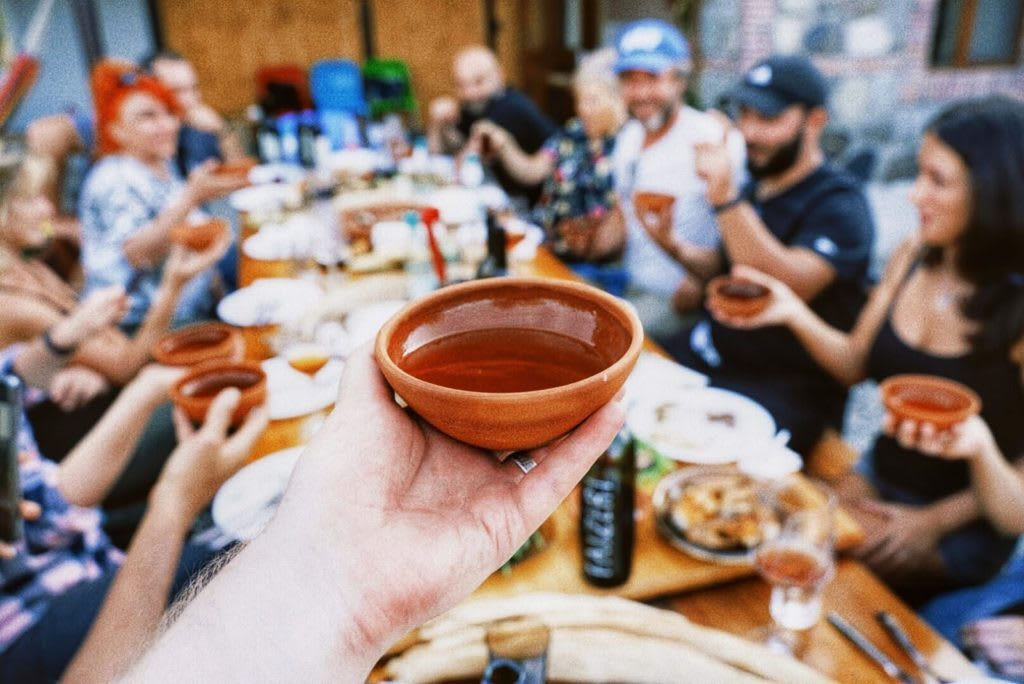
Few countries surprise travelers quite like Georgia. Tucked between the Caucasus Mountains and the Black Sea, this small nation has quietly become one of Europe’s most talked-about destinations. But beyond the ancient monasteries, dramatic landscapes, and legendary wine, one question surfaces repeatedly in travel forums and planning discussions: are Georgians friendly to tourists?
The short answer is yes, remarkably so. But that simple response doesn’t capture the depth of what hospitality means in Georgian culture. This isn’t the polished, transactional friendliness you might encounter at a resort in the Maldives or a hotel chain in Western Europe. Georgian warmth runs deeper, rooted in centuries-old traditions that treat guests as sacred. Visitors regularly report being invited into strangers’ homes for meals, receiving unsolicited help from passersby, and experiencing a level of genuine human connection that feels increasingly rare in our modern world.
I’ve spoken with dozens of travelers who’ve visited Georgia, and their stories share common threads: the taxi driver who refused payment after learning it was their first day in the country, the grandmother in a mountain village who insisted they stay for homemade khachapuri, the young Tbilisi resident who spent hours showing them hidden spots no guidebook mentions. These aren’t isolated incidents. They reflect something fundamental about Georgian identity.
The Cultural Roots of Georgian Hospitality
Understanding why Georgians are so welcoming requires looking beyond surface-level friendliness to examine the cultural bedrock beneath it. Georgian hospitality isn’t a tourism strategy or recent development. It’s woven into the national psyche through religious beliefs, historical necessity, and social structures that have evolved over millennia.
Georgia has occupied a crossroads position throughout history, sitting between empires and serving as a corridor for traders, armies, and travelers. This geography created a culture that learned to embrace outsiders rather than fear them. Hospitality became both a survival mechanism and a point of pride. The traditions that emerged from this history remain remarkably intact today.
The Concept of Guests as Gifts from God
The Georgian phrase “stumari ghvtisaa” translates roughly to “a guest is sent by God.” This isn’t mere rhetoric. It reflects a genuine belief system that permeates Georgian society. When a guest arrives, they’re not an inconvenience or obligation. They’re considered a blessing, an opportunity for the host to demonstrate virtue and generosity.
This religious dimension explains why Georgian hospitality often feels so intense to Western visitors accustomed to more reserved cultures. Refusing food or drink can genuinely hurt a host’s feelings because they see serving you as a spiritual duty. The generosity isn’t performative. It stems from a worldview where caring for strangers carries moral weight.
Many travelers describe feeling almost overwhelmed by the attention and generosity. A simple question for directions can turn into an hour-long conversation, an invitation for coffee, and possibly a ride to your destination. This can feel disorienting at first, especially for those from cultures where personal boundaries are more rigidly maintained. Learning to accept this generosity gracefully is part of the Georgian travel experience.
The Supra: A Traditional Feast for Newcomers
No discussion of Georgian hospitality is complete without mentioning the supra, the traditional feast that serves as the ultimate expression of welcome. A supra isn’t just a meal. It’s an elaborate ritual involving multiple courses, countless toasts, and hours of eating, drinking, and conversation.
At a supra, a designated toastmaster called the tamada guides the evening through a series of increasingly emotional toasts: to family, to friendship, to Georgia, to the guests, to those who have passed. Each toast requires drinking wine, often from a horn or clay cup. The food keeps coming: khinkali dumplings, grilled meats, fresh vegetables, cheese-filled bread, and dishes that vary by region.
Travelers who experience a genuine supra often describe it as one of the most memorable experiences of their lives. The combination of abundant food, flowing wine, heartfelt speeches, and genuine warmth creates something that transcends ordinary dining. Being invited to a supra as a tourist is a profound honor and happens more frequently than you might expect.
Everyday Interactions with Locals
While supras represent the ceremonial peak of Georgian hospitality, daily interactions reveal a more practical friendliness that shapes the tourist experience. From navigating public transportation to ordering at restaurants, visitors consistently encounter helpfulness and warmth.
Friendliness in Tbilisi vs. Rural Regions
The capital city Tbilisi offers a different flavor of friendliness than Georgia’s rural areas, though both are genuinely welcoming. In Tbilisi, you’ll encounter a cosmopolitan warmth. Young people often speak English, are curious about foreign visitors, and eager to share their favorite cafes, bars, and hidden courtyards. The city has a thriving creative scene, and locals take pride in showing off their rapidly evolving capital.
| Location Type | Hospitality Style | English Proficiency | Typical Interactions |
|---|---|---|---|
| Tbilisi | Modern, cosmopolitan | High among youth | Cafe conversations, nightlife recommendations |
| Batumi | Tourist-oriented | Moderate to high | Beach culture, resort friendliness |
| Kazbegi/Stepantsminda | Traditional, curious | Lower | Mountain hospitality, guesthouse warmth |
| Kakheti wine region | Generous, celebratory | Lower | Winery visits, spontaneous tastings |
| Svaneti | Reserved initially, deeply loyal | Low | Authentic village life, earned trust |
Rural Georgia offers something different: a rawer, more traditional hospitality that can feel more profound precisely because it’s less polished. In mountain villages of Svaneti or the wine country of Kakheti, you’ll encounter people who may not speak your language but will go to extraordinary lengths to help you. The communication barriers somehow make the connection more meaningful.
Language Barriers and Communication Styles
Georgian is notoriously difficult for foreigners, with its unique alphabet and complex grammar. Most tourists won’t learn more than a few phrases, and that’s perfectly fine. Georgians don’t expect visitors to speak their language, and they’re remarkably patient with communication challenges.
In cities, many young Georgians speak English, Russian, or both. In rural areas, you might rely more heavily on gestures, translation apps, and the universal language of sharing food and drink. Georgians tend to communicate expressively, using hand gestures and facial expressions that transcend verbal language.
One thing that strikes many visitors is how Georgians listen. They make eye contact, give you their full attention, and seem genuinely interested in what you have to say. This contrasts sharply with the distracted, phone-checking conversations common in many Western countries.
Safety and Respect for Foreign Visitors
Friendliness means little if visitors don’t feel safe. Georgia scores exceptionally well on this front, consistently ranking among the safest countries in the region and indeed in Europe.
General Public Safety and Crime Rates
Georgia has remarkably low crime rates, particularly for violent crime. Petty theft exists, as it does everywhere, but tourists are rarely targeted. Walking alone at night in Tbilisi feels safer than in most European capitals. Women traveling solo regularly report feeling comfortable and respected.
The police have undergone significant reforms since the Rose Revolution of 2003, transforming from a corrupt institution into one of Georgia’s most trusted. Officers are generally helpful to tourists and unlikely to cause problems. The country has also invested heavily in tourism infrastructure, recognizing visitors as vital to economic development.
That said, common-sense precautions apply. Watch your belongings in crowded areas, be cautious with unlicensed taxis, and don’t leave valuables visible in parked cars. These are universal travel tips, not Georgia-specific warnings.
Cultural Etiquette and Avoiding Offense
Georgians are generally forgiving of cultural missteps, understanding that visitors come from different backgrounds. However, showing respect for local customs enhances your experience and deepens connections with locals.
Religious sites require modest dress. Cover your shoulders and knees when visiting churches, and women should bring a headscarf. Photography is usually permitted but ask first in smaller churches. Remove your shoes if you see others doing so.
Georgians are proud people, and criticizing their country, culture, or traditions won’t win you friends. Avoid political discussions about Russia, Abkhazia, or South Ossetia unless you know your audience well. These are sensitive topics with deep historical wounds.
Accepting hospitality gracefully matters enormously. Refusing food or drink repeatedly can cause genuine offense. If you have dietary restrictions or simply can’t consume more, explain clearly and apologetically. Georgians will understand, but a flat “no thank you” without explanation may seem rude.
The Role of Tourism in Modern Georgia
Tourism has transformed Georgia’s economy over the past decade. Before the pandemic, the country was welcoming over 9 million international visitors annually, a staggering number for a nation of only 3.7 million people. This influx has shaped how Georgians interact with foreigners and created a hospitality infrastructure that didn’t exist a generation ago.
The economic importance of tourism means locals have practical reasons to be friendly, but reducing Georgian hospitality to economic motivation misses the point. The warmth predates the tourist boom by centuries. What’s changed is that more visitors now experience it, and Georgians have become more accustomed to hosting foreigners.
Some travelers worry about “overtourism” diluting authentic experiences. Certain spots, like the Gergeti Trinity Church viewpoint or Tbilisi’s sulfur baths, do get crowded during peak season. Yet Georgia remains remarkably unspoiled compared to more established destinations. Venture slightly off the beaten path, and you’ll find villages where tourists remain a novelty and hospitality feels completely unscripted.
The government has invested in tourism education, training guides and hospitality workers. This professionalization has improved service standards without eliminating the spontaneous warmth that makes Georgia special. You’ll find both polished hotel service and grandmother’s home cooking, often within the same trip.
Practical Tips for Connecting with Georgians
Understanding that Georgians are friendly is one thing. Knowing how to reciprocate and deepen those connections elevates your travel experience from pleasant to transformative.
Learning Basic Georgian Phrases
Nothing delights Georgians more than a foreigner attempting their language. Even badly pronounced basics earn enormous goodwill. The alphabet looks intimidating but learning to read it isn’t as hard as it appears, and locals appreciate the effort.
Essential phrases include “gamarjoba” (hello), “madloba” (thank you), “gmadlobt” (more formal thank you), and “gaumarjos” (cheers, used during toasts). Saying “sakartveloshi” (in Georgia) instead of using the English name shows cultural awareness. Georgians call their country Sakartvelo, and acknowledging this earns respect.
Don’t worry about perfection. Georgians won’t mock your pronunciation. They’ll beam with pride that you tried and likely help you improve. Language attempts signal respect and genuine interest in their culture.
Navigating Toasts and Drinking Culture
Wine is central to Georgian social life. The country claims to be the birthplace of wine, with archaeological evidence supporting winemaking traditions dating back 8,000 years. Refusing to drink entirely can be socially awkward, though Georgians increasingly understand that some people don’t consume alcohol.
If you do drink, pace yourself. Georgian hospitality involves many toasts, and the wine flows freely. It’s acceptable to take small sips rather than draining your glass with each toast. Saying “gaumarjos” enthusiastically matters more than the quantity consumed.
When a toast is made, listen respectfully. Toasts at supras can become quite emotional, honoring ancestors, expressing love for family, or sharing philosophical reflections. Responding with genuine attention honors the tradition.
What to Expect: Reality vs. Reputation
Georgia’s reputation for friendliness is well-earned, but managing expectations helps you appreciate the reality rather than chasing an idealized fantasy.
Not every interaction will be magical. You’ll encounter grumpy taxi drivers, indifferent waiters, and people having bad days. Georgia is a real country with real people, not a hospitality theme park. The friendliness is genuine but not universal or constant.
Some visitors experience hospitality so intense it feels overwhelming. Being invited into homes, pressed to eat more than you can handle, and asked personal questions can exhaust introverts or those from more reserved cultures. Setting gentle boundaries while remaining gracious takes practice.
The friendliness is most profound when you step outside tourist infrastructure. Booking through Airbnb with local hosts, eating at family-run restaurants, and visiting smaller towns reveals hospitality that package tours miss. The more you engage as a traveler rather than a tourist, the more Georgia opens up.
Georgians are genuinely friendly to tourists. This isn’t marketing or wishful thinking. It’s a cultural reality rooted in religious beliefs, historical traditions, and national identity. Visitors who approach Georgia with openness, respect, and willingness to connect will find a country that welcomes them not just as customers but as honored guests. The memories you’ll carry home won’t just be of stunning landscapes and delicious food. They’ll be of people who made you feel genuinely welcome in their corner of the world.