
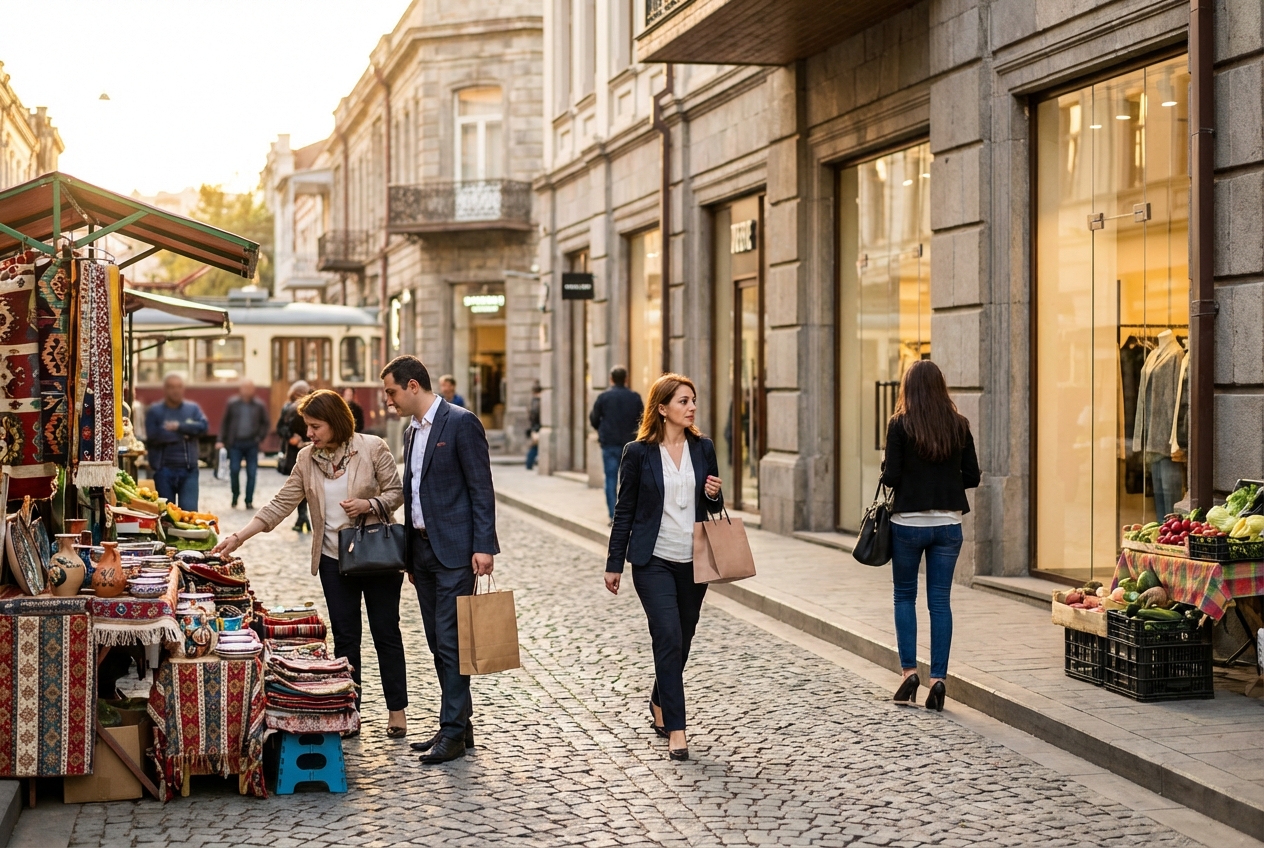
Tbilisi rewards curious shoppers in ways few other European capitals can match. You can haggle over Soviet-era cameras at a flea market before lunch, browse Georgian designer boutiques in a converted Soviet sewing factory by afternoon, and end your day sipping natural wine while selecting bottles to ship home. The question of where to go shopping in Tbilisi depends entirely on what you’re after: international brands at competitive prices, one-of-a-kind antiques, artisanal crafts, or the sensory overload of a traditional bazaar where spices and churchkhela hang in colorful rows.
What makes shopping here particularly compelling right now is the momentum behind Georgia’s retail scene. Consumer spending on clothing and accessories increased by 15% year-over-year in February 2025, according to BTU AI. Non-residents are spending even more enthusiastically, averaging 2,020 GEL per transaction on fashion items, a 48% jump from the previous year. This influx of international shoppers has pushed local retailers to up their game, resulting in better curation, more interesting local brands, and improved shopping experiences across the city.
Whether you’re hunting for a leather bag handmade in a Tbilisi workshop or simply need to replace a forgotten charger, this guide covers every shopping district worth your time.
Modern Shopping Malls and International Brands
Tbilisi’s mall scene has matured significantly over the past decade. While you won’t find the mega-complexes of Dubai or Istanbul, the city’s shopping centers offer a comfortable, air-conditioned alternative to street shopping, particularly during the sweltering summer months or rainy spring days.
East Point: The Open-Air Retail Experience
Located in the Varketili district on the city’s eastern edge, East Point breaks from the typical enclosed mall format. Its open-air design creates something closer to a European outlet village, with pedestrian streets connecting over 150 stores. The journey takes about 25 minutes from central Tbilisi by metro, making it accessible without a car.
The tenant mix leans toward mid-range international brands: Zara, H&M, LC Waikiki, and Koton anchor the fashion offerings, while electronics retailers and a substantial food court round out the experience. Prices here often undercut what you’d pay in Western Europe, particularly on Turkish and Eastern European brands. The cinema complex and children’s entertainment zones make East Point practical for families who need to combine shopping with keeping kids occupied.
Tbilisi Mall: Luxury and High-Street Favorites
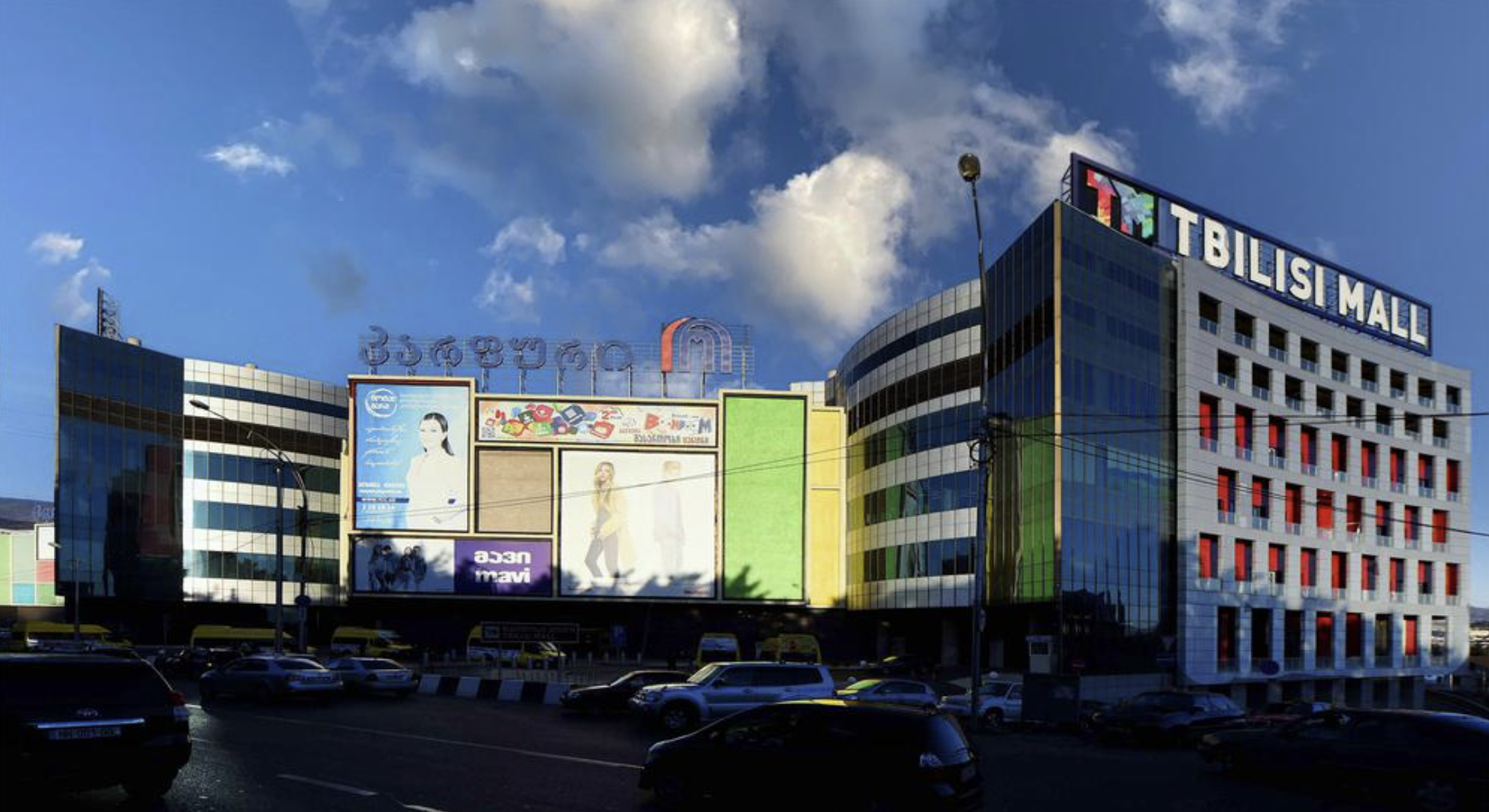
Tbilisi Mall sits closer to the city center in the Gldani-Nadzaladevi district, positioning itself as the more upscale option. The four-story complex houses around 200 stores, including Georgia’s first IKEA planning studio and a Carrefour hypermarket that’s useful for stocking up on Georgian wines and local products to take home.
The fashion selection spans from accessible brands like Mango and Massimo Dutti to higher-end options. What distinguishes Tbilisi Mall is its entertainment component: a bowling alley, ice skating rink, and one of the city’s best cinema multiplexes. For practical shopping needs, the electronics section and home goods stores offer competitive pricing on items that might cost significantly more in Western markets.
Galleria Tbilisi: Shopping in the City Center
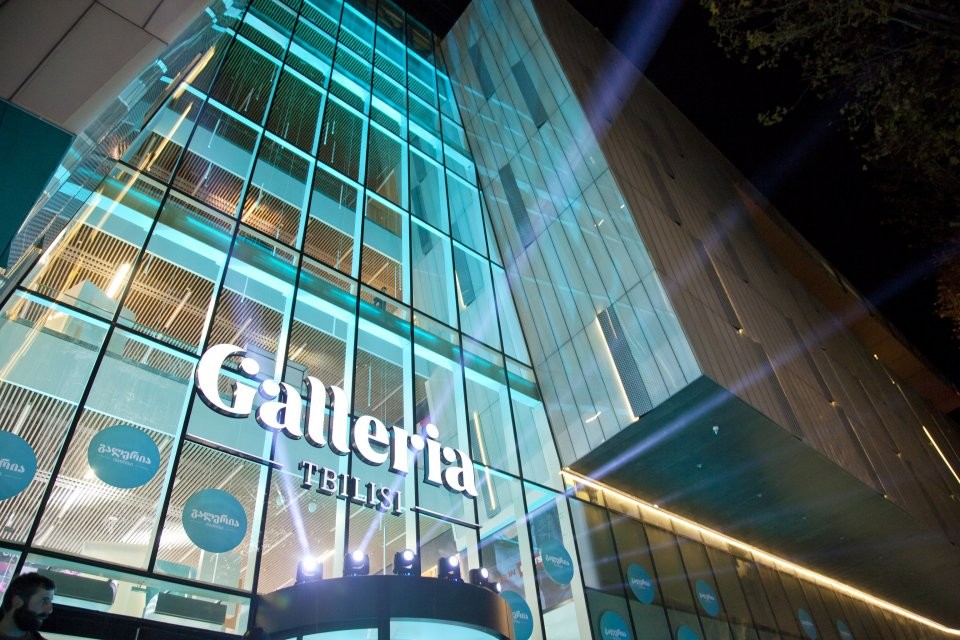
For visitors staying in central Tbilisi, Galleria offers convenience that the larger suburban malls cannot match. Located on Rustaveli Avenue near Freedom Square, it’s walkable from most tourist accommodations and integrates shopping into a broader exploration of the city’s main boulevard.
Galleria is smaller and more focused than its suburban competitors, with an emphasis on fashion, cosmetics, and dining. The rooftop terrace provides views over the city center and offers a pleasant spot for coffee between shopping stops. The location makes it ideal for quick errands or rainy-day browsing when outdoor markets become impractical.
Authentic Bazaars and Local Food Markets
The soul of Tbilisi shopping lives in its bazaars. These aren’t tourist recreations but functioning markets where locals buy their weekly groceries, and the experience offers something no mall can replicate.
Dezerter Bazaar: A Culinary Adventure
Dezerter Bazaar sprawls near Station Square, named not for military deserters but for the desertion of the nearby railway station by traders who moved here decades ago. This is Tbilisi’s largest and most chaotic market, a sensory bombardment of colors, smells, and sounds that can overwhelm first-time visitors.
The market divides roughly into sections: fresh produce, meat and fish, dairy, spices, and household goods. The spice section alone justifies a visit, with vendors selling Georgian adjika, svanuri marili (Svan salt), dried marigold petals for traditional cooking, and blends you won’t find packaged anywhere else. Churchkhela, the candle-shaped walnut and grape confection, hangs in rainbow arrays from countless stalls.
Prices require negotiation, though less aggressively than in some Middle Eastern bazaars. Learning a few Georgian numbers helps, and vendors generally appreciate the effort. Early morning visits, between 8 and 10 AM, offer the freshest selection and slightly cooler temperatures during summer months.
Smaller and more manageable than Dezerter, Navtlughi Market in the Saburtalo district serves a predominantly local clientele. The covered market hall focuses on fresh produce, with farmers from nearby regions selling seasonal fruits and vegetables directly.
The cheese section deserves particular attention. Georgian cheese varieties, from the stretchy sulguni to the sharp, crumbly guda aged in sheepskin, represent some of the country’s most distinctive food products. Vendors typically offer samples, making it easy to find exactly what suits your taste before purchasing. The adjacent sections sell honey, dried fruits, and homemade preserves that make excellent gifts.
Antique Treasures at the Dry Bridge Market
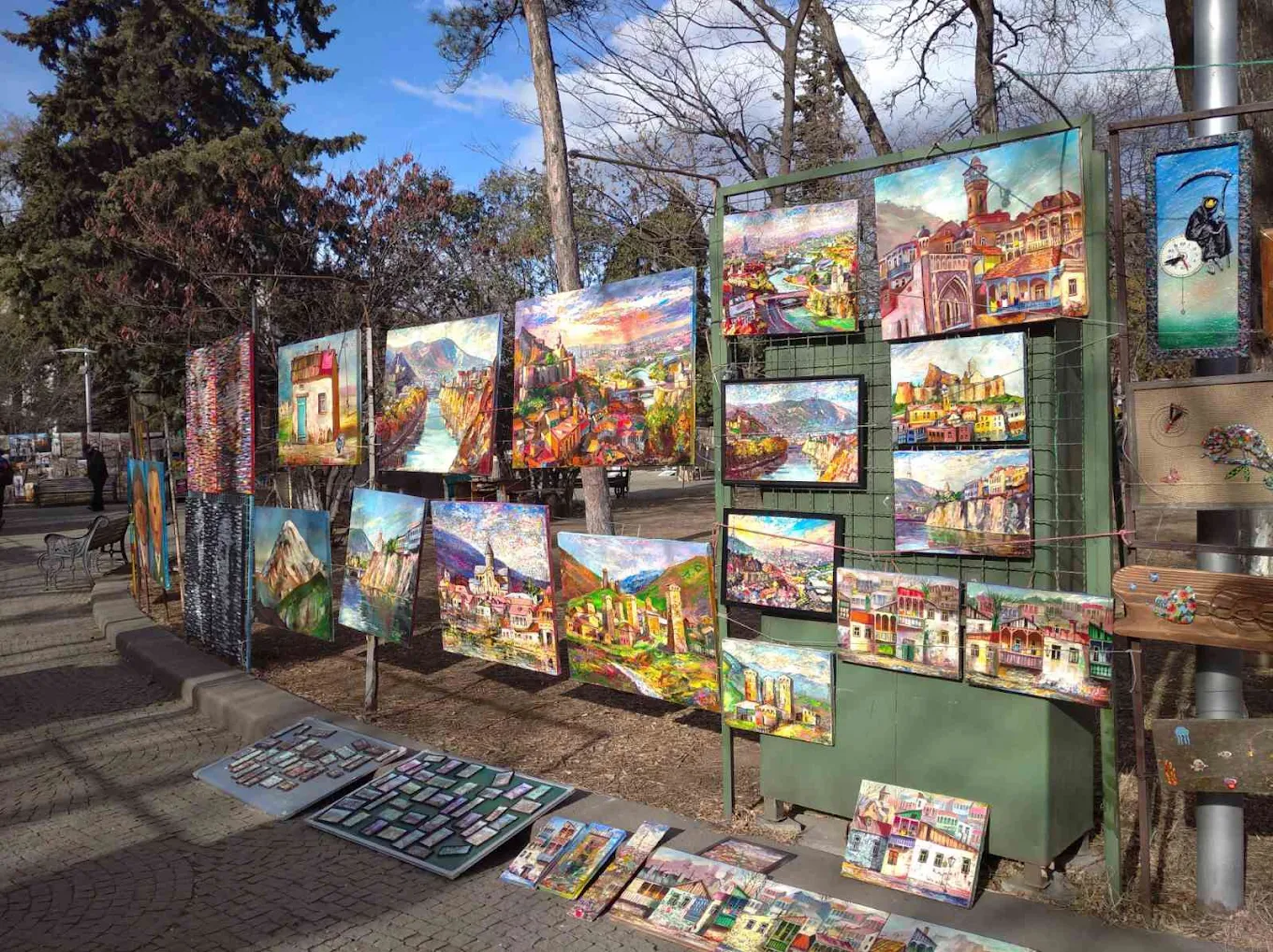
The Dry Bridge Flea Market has become almost mandatory for visitors wondering where to shop in Tbilisi for unique finds. Every day, but especially on weekends, vendors spread their wares along the pathway near the Dry Bridge spanning the Mtkvari River.
The inventory reads like a catalog of Soviet and pre-Soviet Georgian history: military medals, vintage cameras, old maps, traditional jewelry, ceramic plates, samovars, vinyl records, and countless items that defy easy categorization. Quality varies enormously, from genuine antiques to mass-produced souvenirs designed to look old, so bring healthy skepticism and examine items carefully.
Serious collectors should arrive early, around 9 AM on weekends, when the best pieces appear. Prices are always negotiable, often by 30-40% from initial asking prices. The market also attracts local artists selling paintings and handmade crafts, offering an alternative to the antique dealers.
| Item Category | Typical Price Range (GEL) | Negotiation Expected |
|---|---|---|
| Soviet cameras | 50-300 | Yes, 20-30% |
| Vintage jewelry | 30-500 | Yes, 30-40% |
| Old maps and prints | 20-150 | Yes, 25-35% |
| Military medals | 15-200 | Yes, 20-30% |
| Handmade crafts | 25-100 | Minimal |
Concept Stores and Georgian Designer Boutiques
Georgia’s creative economy has blossomed, and Tbilisi now hosts a thriving scene of local designers, artisans, and concept stores that showcase the country’s contemporary aesthetic.
Fabrika: Creative Hub and Local Crafts
Fabrika occupies a former Soviet sewing factory in the Marjanishvili neighborhood, transformed into a sprawling complex of hostels, co-working spaces, cafes, and most importantly for shoppers, a curated collection of local designer boutiques.
The ground floor courtyard hosts rotating pop-up markets and permanent shops selling Georgian-designed clothing, accessories, ceramics, and home goods. Brands like Matériel, which has gained international recognition, got their start in spaces like this. The atmosphere encourages browsing: grab a coffee, explore the street art covering every surface, and discover Georgian designers whose work you won’t find outside the country.
Weekend evenings bring additional vendors and a festival atmosphere, with food trucks and live music complementing the shopping experience.
Rustaveli Avenue: High-End Fashion and Jewelry
Rustaveli Avenue functions as Tbilisi’s main ceremonial boulevard and its premier address for upscale retail. The stretch between Freedom Square and Rustaveli Metro Station concentrates the city’s highest-end fashion boutiques, jewelry stores, and designer showrooms.
Georgian jewelry deserves special attention. The country’s goldsmithing tradition stretches back millennia, and contemporary jewelers blend traditional techniques with modern design. Cloisonné enamel work, a Georgian specialty, appears in pieces ranging from affordable earrings to museum-quality necklaces. Several galleries along Rustaveli and the adjacent streets showcase these artisans’ work.
Wine Shops: Bringing Home the Spirit of Georgia
No discussion of Tbilisi shopping is complete without addressing wine. Georgia’s 8,000-year winemaking tradition, recognized by UNESCO, produces distinctive amber wines fermented in qvevri, traditional clay vessels buried underground.
Dedicated wine shops throughout the city offer curated selections with knowledgeable staff who can guide purchases. Vinoground near Dry Bridge, 8000 Vintages on Erekle II Street, and the Wine Gallery chain all maintain extensive inventories spanning major wine regions. Many offer tastings, helping visitors identify preferences before committing to bottles.
Shipping services handle international delivery for larger purchases, though carrying a few bottles in checked luggage remains the most economical option for modest quantities.
Charming Neighborhoods for Street Shopping
Beyond markets and malls, Tbilisi’s neighborhoods offer distinct shopping personalities worth exploring on foot.
Pekini Avenue: The Hub of Saburtalo
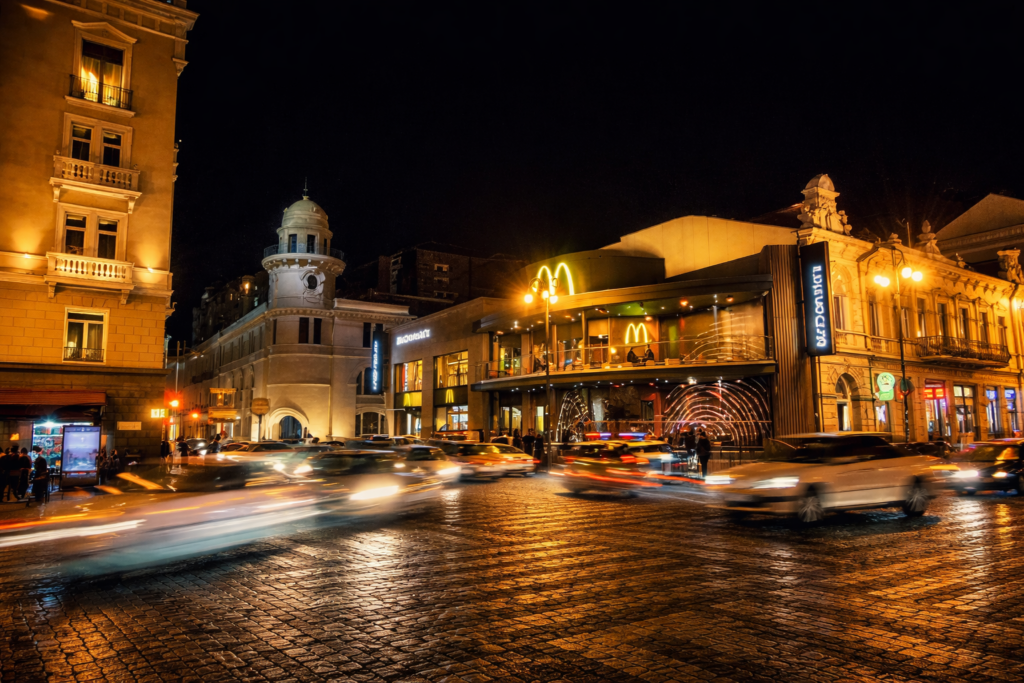
Pekini Avenue cuts through the Saburtalo district, a residential area that has evolved into a secondary commercial center. The street offers a more local shopping experience than tourist-heavy areas, with clothing stores, shoe shops, and electronics retailers catering primarily to Georgian customers.
Prices here often run lower than in central Tbilisi, and the lack of tourist markup makes it worth the metro ride from downtown. The avenue also hosts several shopping centers, including smaller malls that serve the surrounding neighborhoods.
Interestingly, while physical retail thrives here, Georgia Today reports that e-commerce is projected to reach GEL 4.7 billion by the end of 2025, with domestic transactions accounting for 60.9% of total online turnover. This digital shift hasn’t diminished street shopping but has pushed physical retailers to emphasize experience and service.
Old Tbilisi: Souvenirs and Handcrafted Gifts
The winding streets of Old Tbilisi, particularly around Shardeni Street, Erekle II Street, and the Abanotubani sulfur bath district, concentrate the city’s souvenir and craft shopping. Quality varies significantly, from mass-produced trinkets to genuinely handcrafted items.
Look for traditional Georgian crafts: hand-carved wooden items, felt products from mountain regions, handwoven textiles, and ceramics painted with traditional motifs. The better shops identify their artisans and can explain the provenance of their goods. Prices in this tourist-heavy zone run higher than elsewhere, but the convenience and concentration of options compensate for the premium.
Practical Tips for Shopping in Tbilisi
Understanding local shopping customs makes the experience smoother and often more affordable.
Cash remains king in markets and smaller shops, though credit cards work in malls and established boutiques. ATMs are plentiful, and the Georgian lari exchanges easily. Most market vendors don’t have card readers, so withdraw enough cash before visiting Dezerter Bazaar or Dry Bridge.
Bargaining expectations vary by venue. Markets expect negotiation, malls and boutiques don’t. At Dry Bridge, starting at 50-60% of the asking price is reasonable. In food markets, negotiation is gentler and usually involves rounding down or requesting a small extra quantity rather than dramatic price cuts.
However, BM.ge notes that non-essential spending in Tbilisi decreased by 10% in 2025, affecting some retailers. This economic pressure means vendors may be more flexible on pricing than in previous years, particularly for larger purchases.
Store hours follow European patterns in malls, typically 10 AM to 10 PM daily. Markets start early and wind down by mid-afternoon. Sunday sees reduced hours at many shops, though tourist areas and malls remain open.
For shipping purchases home, several international courier services operate in Tbilisi, and many wine shops and antique dealers have established shipping relationships. Always verify customs regulations for your home country, particularly regarding food products and antiques.
The diversity of shopping in Tbilisi reflects the city’s position between East and West, tradition and modernity. From the controlled environment of Tbilisi Mall to the organized chaos of Dezerter Bazaar, from Soviet relics at Dry Bridge to cutting-edge Georgian fashion at Fabrika, the city offers retail experiences that match almost any interest. Pack an extra bag, bring comfortable walking shoes, and leave room in your itinerary for unexpected discoveries.